Secret Print Presses Solo Jogja Early Nationalism History

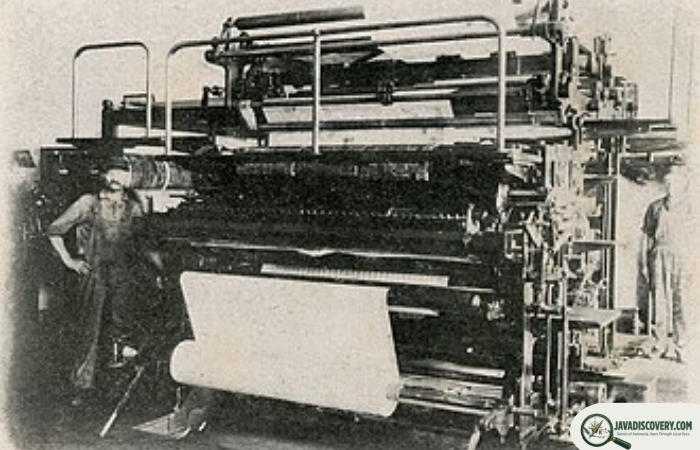
javadiscovery.com – In the early decades of the 20th century, the cultural and intellectual heartland of Central Java—anchored by the royal court cities of Surakarta (Solo) and Yogyakarta—became the crucible of the Indonesian nationalist movement. While fiery public speeches, underground political meetings, and student organizations formed the vocal resistance against Dutch colonial rule, the true engine of the awakening (*Kebangkitan Nasional*) was made of lead type, damp ink, and cheap newsprint. Across the narrow alleys and backroom workshops of Solo and Jogja, a bold generation of indigenous journalists, nationalist printers, and anti-colonial publishers established independent printing presses (*drukkerij*). Operating under constant police surveillance, heavy censorship, and the threat of colonial exile (*internering*), these underground and semi-independent printing houses transformed the written word into a revolutionary weapon.
Exploring the secret and pioneering print presses of Solo and Jogja reveals how local typographic networks birthed the political vocabulary of modern Indonesia.
The Typographic Crucible: Why Solo and Jogja Became Print Hubs
Unlike Batavia, where colonial administrative oversight was strict and direct, the royal princely territories (*Vorstenlanden*) of Surakarta and Yogyakarta possessed a unique socio-legal status. While Dutch Residents held immense power, the presence of traditional Javanese courts created a complex administrative gray zone:
- Flourishing Vernacular Culture: Solo and Jogja were home to a vibrant elite and rising middle class literate in Javanese, Malay, and Dutch. Traditional publishing houses initially emerged to print court chronicles, classical literature, and Islamic religious texts.
- The Rise of Native Journalism (*Pers Bumiputera*): Visionary nationalist figures quickly realized that printing presses were essential tools to awaken mass political consciousness, connect disparate regional organizations, and articulate anti-colonial demands.
- Network of Itinerant Printers: Printers, compositors, and ink-stained journalists moved fluidly between Solo, Jogja, Semarang, and Surabaya, forming an underground mutual-aid network that kept presses running even when colonial authorities confiscated equipment or arrested editors.
Pioneering Presses and the Voices of Resistance
Several landmark printing houses and publications emerged from the Central Javanese interior to challenge colonial hegemony, operating under constant vigilance:
- Meddelingen Djawi and Early Vernacular Organs: Early presses printed indigenous-language newspapers that exposed the injustices of the Cultivation System, forced labor, and racial discrimination, giving ordinary Javanese readers a shared political language.
- Darmo Kondo and Print Activism in Solo: Based in Surakarta, publications like *Darmo Kondo* became vital mouthpieces for early nationalist bodies such as Sarekat Islam, fearlessly critiquing colonial economic monopolies and mobilizing thousands of rural workers and urban merchants.
- Yogyakarta’s Student and Islamic Presses: In Jogja, presses operated by Islamic modernist organizations (such as Muhammadiyah) and student study circles published radical pamphlets, educational tracts, and religious-nationalist essays that championed self-reliance (*swadesi*) and anti-imperial solidarity.
The Cat and Mouse Game: Censorship, Seizures, and Exile
Publishing nationalist ideas in the Dutch East Indies was a perilous vocation. The colonial government enforced strict press laws, most notably the notorious *Haat-Artikelen* (Hate-Speech Articles) in the Penal Code, which criminalized any publication deemed to “foster hostility or contempt” against the government:
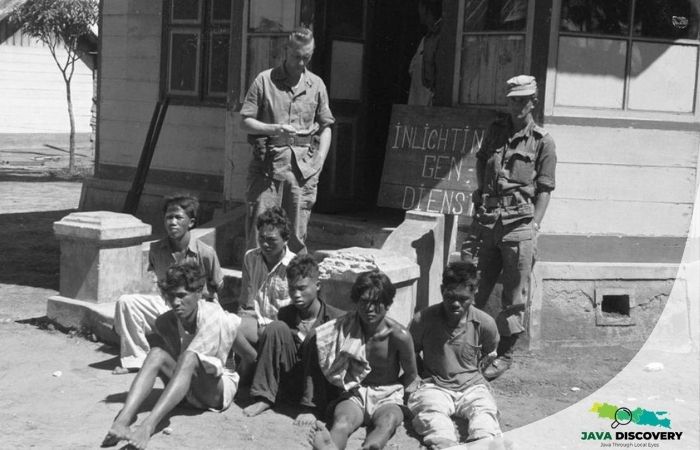
- Raids and Confiscations: Colonial secret police (*Politieke Inlichtingen Dienst* or PID) frequently raided printing shops in Solo and Jogja, smashing lead type trays, confiscating printing presses, and burning entire press runs of subversive newspapers.
- Press Delicts (*Drukpers-delict*): Editors and publishers faced recurring prison sentences or exile to remote penal camps like Boven Digoel. To circumvent this, writers used pseudonyms, changed newspaper titles overnight, or hid backup hand-presses in rural villages outside city limits.
- Financing the Underground: Printing operations were sustained through small financial contributions from local batik traders, market vendors, and teachers who viewed the independent press as the collective voice of the people.
Legacy: The Ink That Forged a Nation
The clandestine and pioneering print houses of Solo and Jogja did more than print newspapers; they laid the infrastructural and intellectual groundwork for the Indonesian Declaration of Independence in 1945. They proved that ideological resistance required not only bravery on the podium, but meticulous organization in the print shop.
Today, as historians examine fragile, yellowed newsprint archives preserved in libraries across Indonesia, the ink-stained legacy of Solo and Jogja’s early nationalist printers stands as an enduring tribute to the power of free expression against the machinery of empire.