Sugar Barons Mansions Pasuruan Kudus Architectural Heritage

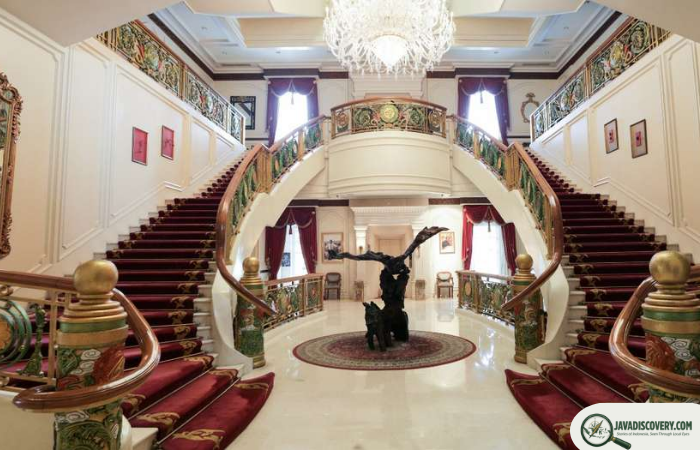
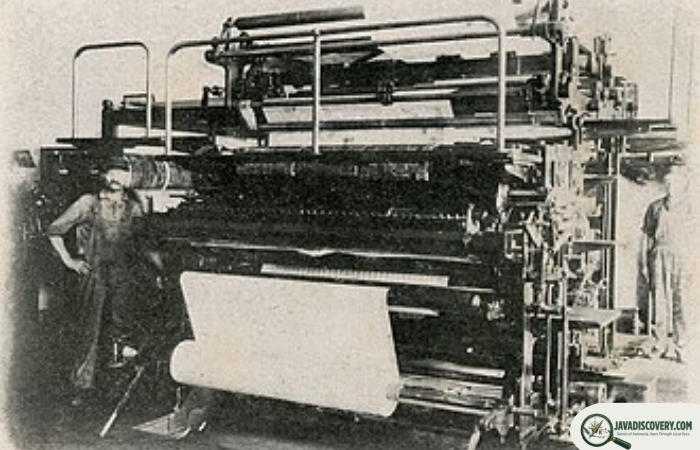
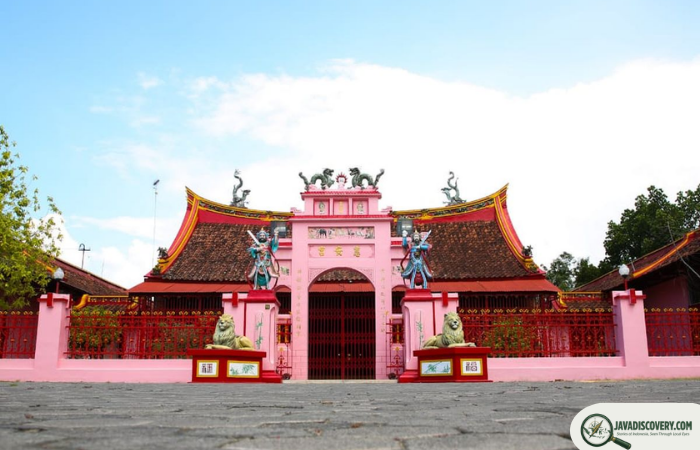
javadiscovery.com – During the late 19th and early 20th centuries, Java stood as the second-largest sugar producer in the world, trailing only Cuba. This golden age of industrial agriculture generated astronomical wealth, transforming rural Java into an arena of private industrial empires. At the pinnacle of this economic explosion was a class of fabulously wealthy tycoons—both European plantation magnates and Peranakan Chinese sugar kings (*Suikerlords*) like Han Hoo Tjiang in Pasuruan and Oei Tiong Ham across Central Java. To showcase their immense socio-economic standing, these sugar barons constructed sprawling palatial residences across coastal trading towns. Nowhere was this grand domestic architecture more pronounced than in Pasuruan, the historic sugar capital of East Java, and Kudus, the wealthy merchant enclave of Central Java.
Today, these sugar mansions present a stark narrative of contrast: magnificent hybrid architectural marvels caught between tragic structural decay, urban encroachment, and pioneering heritage rescue efforts led by local conservationists.
Monuments to “Sweet Gold”: Architectural Hybridity in Pasuruan and Kudus
The mansions built by Java’s sugar barons were not mere imitations of European estates; they were sophisticated, climate-adaptive hybrid structures that synthesized European Neoclassical grandeur, traditional Chinese courtyard layouts, and Javanese tropical spatial principles:
- Pasuruan’s Indische Empire Estates: As East Java’s primary sugar export harbor, Pasuruan was lined with opulent *Indische Empire* style manors along the historic *Sint-Josephstraat* (now Jalan Pahlawan). Characterized by towering Tuscan colonnades, wide marble verandas (*voorgalerij*), stained-glass transoms, and lofty ceilings designed to capture coastal breezes, these manors served as administrative headquarters and entertainment salons for the sugar elite.
- Kudus’s Merchant Palaces (*Rumah Adat Kudus* and Peranakan Villas): In Kudus, sugar and tobacco fortunes fueled the creation of distinct urban architecture. Wealthy merchant compounds featured elaborate *Rumah Gebyog*—intricately carved teak houses with soaring pyramid roofs (*Joglo*)—alongside grand Indische and Art Deco villas featuring imported European floor tiles, wrought-iron balustrades, and private inner courtyards.
The Fall of the Sugar Empires and Decades of Decay
The collapse of Java’s sugar hegemony came swiftly in the 1930s. The double impact of the Great Depression and the invention of cheap European sugar beet alternatives devastated global demand. The catastrophic decline of the sugar mills left many sugar baron families bankrupt or forced into exile during the turbulent era of World War II and the Indonesian National Revolution:
- Abandonment and Fragmentation: Denuded of their founding wealth, many palatial residences were left abandoned or divided among numerous heirs, leading to decades of legal gridlock, neglect, and structural deterioration.
- Environmental and Urban Threats: High tropical humidity, roof collapses, termite infestations, and encroaching commercial developments led to the demolition of several historic manors. In coastal Pasuruan, rising groundwater and urban flooding (*rob*) further accelerated the erosion of century-old brickwork and carved woodwork.
Heritage Rescue: Breathing New Life into Colonial Mansions
In recent years, a growing coalition of heritage advocates, local historians, private investors, and municipal authorities has initiated a wave of restoration projects aimed at rescuing Pasuruan and Kudus’s architectural treasures from total loss:
- Adaptive Reuse in Pasuruan: Historic sugar manors across Pasuruan are being repurposed into vibrant community centers, heritage cafes, boutique hotels, and cultural spaces. By generating private revenue through tourism, property owners can finance the high costs of specialized historic preservation.
- Preservation of Kudus Carved Teak Heritage: In Kudus, community initiatives and master woodcarvers are documenting, restoring, and preserving historic *gebyog* structures. Local cultural foundations are raising public awareness about the distinct architectural fusion created by early Javanese-Chinese sugar and merchant guilds.
- Municipal Conservation Laws: Local governments are increasingly recognizing that these sugar mansions are essential tourist anchors and historical identity markers, leading to formal heritage status (*Cagar Budaya*) designations that protect historic facades from demolition.
Legacy: The Enduring Charm of Java’s Sugar Epoch
The sugar barons’ mansions of Pasuruan and Kudus remain silent witnesses to an era when Java’s soil generated global fortunes. Though the sugar boom has long faded into history, the survival of these grand architectural landmarks ensures that the craftsmanship, cultural syncretism, and complex history of Java’s gilded age continue to inspire future generations.