Fire Lookouts of Java National Parks Ranger Towers Remote Life

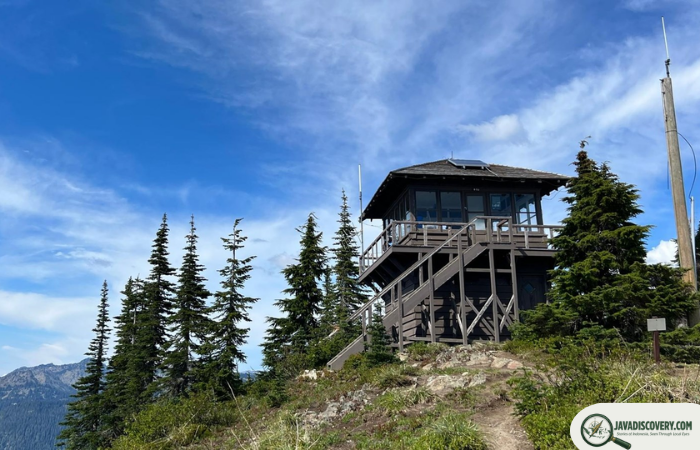
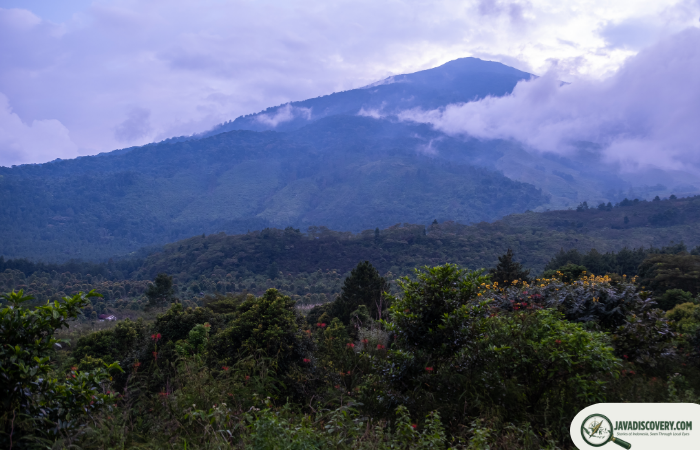
javadiscovery.com – High above the swirling dust plains of Bromo Tengger Semeru, perched on the wind-scoured ridges of Merbabu, and tucked deep inside the dry monsoon scrub of Baluran, wooden and steel towers rise above the forest canopy like lonely sentinels. These are the fire lookouts of Java’s national parks, isolated outposts where dedicated forest rangers (*Polisi Hutan*) spend weeks at a time scanning the horizon for the thinnest trail of smoke. While millions of visitors admire Java’s iconic volcanic peaks from comfortable viewpoints below, a small group of rangers lives high in the cloud layer and the wind, guarding the island’s fragile ecosystems from catastrophic forest fires. Life inside these remote lookouts is defined by quiet vigilance, extreme weather, solitude, and an intimate relationship with the land.
High-Altitude Sentinels: The Geography of Java’s Lookout Network
Java is the most densely populated island on Earth, yet its mountain spines and coastal national parks host vast, highly flammable wilderness zones. During the prolonged dry season (*musim kemarau*), driven by hot trade winds blowing from Australia, the risk of forest fires (*karhutla*) spikes dramatically across the island. To spot blazes before they turn into uncontrollable infernos, Indonesia’s Ministry of Environment and Forestry maintains a network of strategic fire lookouts across key conservation areas.
Each lookout tower is built at a precisely calculated geographic choke point, designed to maximize visibility across vast topography:
- Mount Merbabu National Park (Central Java): Perched along high-altitude savannah ridges over 2,500 meters above sea level, ranger posts monitor vast fields of dry edelweiss (*Anaphalis javanica*) and mountain grass that can ignite from a single stray ember or lightning strike.
- Baluran National Park (East Java): Located atop Mount Baluran’s crater rim and overlooking the Bekol Savanna, lookouts here face a very different threat: dry prickly acacia brush and dry deciduous forest that burn with explosive speed during 40-degree Celsius summer heatwaves.
- Mount Ciremai and Mount Gede Pangrango (West Java): Nestled on rugged volcanic shoulders, these high towers keep watch over dense cloud forests, where fires often burn undetected beneath thick layers of dry leaf litter and peat soil.
Life at 2,000 Meters: Solitude, Wind, and Simple Routine
Stepping into a remote ranger tower reveals a life stripped down to the absolute essentials. Most lookouts are compact, square structures—often built from weathered teak wood, galvanized steel, or reinforced concrete—equipped with glass windows on all four sides to provide an unobstructed 360-degree view of the surrounding horizon.
For the rangers assigned to these towers, shifts typically last anywhere from seven to fourteen days before a relief crew hikes up the mountain. Supplies must be carried in on foot or by pack horses along steep, narrow trails. Water is a precious commodity; rangers collect rainwater off the roof in plastic drums or haul heavy jerrycans from mountain springs kilometers below.
“Up here, the wind never stops talking,” says Pak Heri, a fifty-year-old veteran ranger who has spent over two decades staffing fire towers across Central Java. “At night, the temperature drops close to freezing, and the tower shakes in the gale. You learn to live with the cold, the silence, and your own thoughts. But when you look out over the lights of the cities below, you remember that you are up here so that the forest below can survive.”
A typical day in the tower follows a strict cadence:
- 05:30 AM – Morning Horizon Scan: As dawn breaks, rangers use binoculars and compasses to scan for morning smoke plumes rising above the mist before temperature inversions trap smoke near the ground.
- 09:00 AM to 03:00 PM – Peak Heat Monitoring: The most critical window. As sunlight bakes the dry vegetation, rangers conduct hourly sweeps, tracking wind speed, ambient humidity, and temperature using portable weather instruments.
- Radio Communications: Every hour, lookouts check in via two-way VHF radios with central base camps in the valleys, reporting weather conditions, visibility, and any suspicious sightings.
Spotting the Threat: Triangulation and Rapid Fire Response
When a ranger spots a plume of smoke from a tower, time becomes the most critical factor. Modern satellite thermal monitoring provides broad data, but nothing replaces the speed and accuracy of a human eyes-on-the-ground lookout.
Using a traditional sighting device known as an Osborne Fire Finder or a azimuth compass card fixed to a map table, the ranger notes the exact bearing (*azimuth*) of the smoke column. They immediately radio the coordinates to a secondary lookout tower miles away on an adjacent peak. By combining the bearings from two distinct lookouts—a process known as triangulation—the base station can pinpoint the exact GPS coordinates of the fire within minutes.
Once coordinates are confirmed, rapid response ground teams (*Manggala Agni*) are dispatched on foot or by motorbikes with portable water pumps, beaters, and fire-retardant backpacks. In steep, roadless terrain where fire trucks cannot go, the early warning provided by the tower ranger is often the only thing standing between a minor brush fire and a disaster that destroys thousands of hectares of habitat.
The Human Factor: Ignitions, Farmers, and Hikers
Unlike North American or Australian wildernesses where lightning causes a majority of wildfires, nearly 90 percent of forest fires on Java are sparked by human activity. This makes the ranger’s job as much about human observation as environmental monitoring.
From their elevated perches, lookouts monitor unauthorized entry into closed national park zones. They watch for illegal agricultural land clearing (*ladang berpindah*), illegal charcoal burning, poachers setting bushfires to drive out wild game, and negligent hikers who leave campfire coals burning in high-altitude campsites.
When lookouts spot illegal campfires or clearing burns near park boundaries, they drop down via radio to patrol rangers on the ground, who intercept the individuals before a disaster occurs. Through community outreach, rangers also work with local mountain edge villages (*Masyarakat Peduli Api* or Fire Care Communities), training local farmers to manage agricultural burns safely without threatening the adjacent national parks.
Preserving the Guardians of the Java Sky
In an age dominated by drones, thermal satellites, and automated camera networks, the physical fire lookouts of Java might seem like relics of an older era. Yet park authorities across Indonesia continue to repair, upgrade, and staff these high-altitude outposts. Drones cannot operate in 60-knot mountain winds, and satellite imagery can be delayed by cloud cover; a trained ranger sitting in a tower remains the most reliable, adaptable defense system available.
The fire lookouts of Java’s national parks stand as quiet monuments to human dedication. Suspended between the earth and the sky, the rangers who staff them continue their lonely watch—protecting the ancient forests, wild creatures, and majestic volcanic landscapes of Java for generations to come.