Coastal Caves of Sukabumi Geopark Formations Bat Harvesting

javadiscovery.com – A heavy, rhythmic boom echoes through the humid air along the southern coastline of West Java, where the massive swells of the Indian Ocean smash into the sheer limestone cliffs of Sukabumi. Here, within the UNESCO Global Geopark of Ciletuh-Palabuhanratu, the landscape drops dramatically into the churning sea. Cool ocean spray mixes with the thick, earthy scent of damp stone and bat guano rising from dark fissures carved into the sea cliffs. These are the coastal caves of Sukabumi, an intricate subterranean network sculpted over millions of years by tectonic uplift and oceanic erosion. Beneath the towering roofs of these cavernous chambers, a unique world thrives in the dark. Millions of insectivorous bats and cave swiftlets roost in the shadows, sustaining a generations-old traditional bat-harvesting economy (*pencari guano*) that binds coastal communities to the subterranean rhythms of the earth.
Geological Genesis: Tectonics and Wave-Carved Formations
The coastal cave systems of Sukabumi owe their existence to the extraordinary geological history of the Ciletuh-Palabuhanratu region. Recognized globally for its rare amphitheater-like topography, Ciletuh represents one of the oldest exposed geological formations on Java, where ancient oceanic crust was forced upward by subduction along the Sunda Trench.
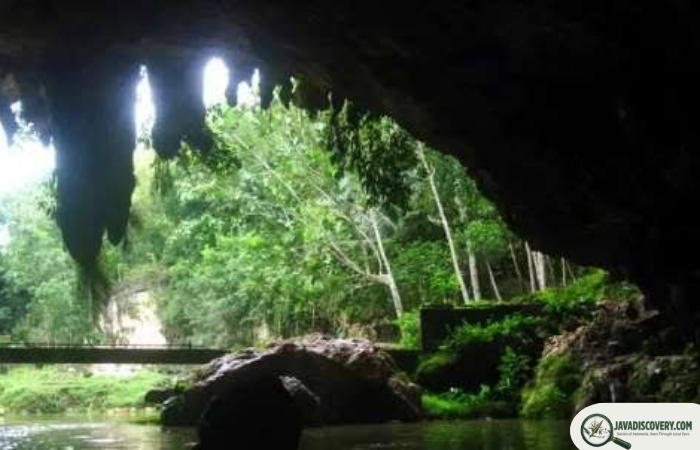
Over millions of years, layers of marine limestone, sandstone, and volcanic breccia were lifted above sea level. The powerful, unrelenting wave action of the Indian Ocean carved away softer rock layers along coastal fault lines, creating deep sea caves (*gua pantai*), blowholes, and subterranean river channels. Caves such as Gua Sodong, Gua Lalay, and Gua Kuntianak showcase massive stalactites and speleothems coated in mineral-rich water drippings, alongside wave-cut notch floors that mark ancient sea levels.
During high tide, ocean waves rush deep into the lower chambers of these caves, compressing air and forcing plumes of sea spray high through ceiling fissures. At low tide, hidden gravel beaches and subterranean rock platforms are revealed, allowing access to cavernous interior halls that extend hundreds of meters into the coastal hills.
The Subterranean Ecosystem: Roosts in the Dark
Far from being desolate voids, Sukabumi’s coastal caves harbor vibrant, highly specialized ecosystems powered by organic inputs from the sky and sea. The upper domes and cracked ceilings offer secure, predator-free roosting conditions for massive colonies of bats, including wrinkled-lipped free-tailed bats and insect-eating microbats, alongside colonies of edible-nest swiftlets (Collocalia fuciphaga).
Every evening around sunset, a breathtaking ecological spectacle unfolds at caves like Gua Lalay in Palabuhanratu. Millions of bats stream out of the cave entrance in vast, swirling dark ribbons that stretch across the twilight sky. This nightly exodus plays a vital role in the regional environment: the bats consume tons of agricultural pests, including moths and mosquitoes, protecting surrounding rice paddies and timber groves across Sukabumi Regency.
Inside the caves, the carpet of organic waste produced by millions of roosting bats—guano—forms the base of an intricate subterranean food chain. Cave-adapted crickets, blind spiders, beetles, and freshwater crabs thrive on the guano deposits, which in turn sustain cave-dwelling snakes and predatory crabs lurking along dark stream banks.
The Guano Harvesters: Generations of Bat-Harvesting Traditions
For the villagers living along the coastal fringes of Ciletuh and Palabuhanratu, the dark caverns are not places of fear, but vital economic lifelines. For generations, local families have practiced the hazardous tradition of guano harvesting (*ngambil tai lalay*), entering deep cave networks to collect the nitrogen-rich organic fertilizer deposited on cavern floors.
Equipped only with bamboo torches or simple headlamps, woven rattan baskets, and short wooden scrapers, experienced harvesters navigate slippery limestone ledges, deep drop-offs, and pitch-black passages filled with thick ammonia fumes. They scale towering bamboo scaffolding (*steger*) lashed together with wild vines to reach elevated ledges where dried guano accumulates in thick layers.
Pak Ujang, a fifty-four-year-old guano harvester from Ciemas, has worked inside the coastal caves since he was a teenager. “The cave has its own rules,” he explains, wiping damp clay from his forehead. “You never enter without asking permission from the old guardians, you never bring iron blades into the roosting chambers, and you only take what has fallen to the floor. If you disturb the hanging bats, the whole colony will leave, and the cave dies.”
Harvested guano is hauled out of the caves in heavy sacks and sold to local agricultural collectives. Revered as one of the most effective natural fertilizers in West Java, guano enriches the soil of regional spice gardens, fruit orchards, and organic vegetable farms without chemical runoff, providing harvesters with a stable seasonal income when ocean fishing yields decline during rough winter seas.
Coastal Myths and Sacred Geography
In Sundanese cultural tradition, the coastal caves of Sukabumi are deeply interwoven with the mythology of *Nyai Roro Kidul*, the legendary Queen of the Southern Ocean. Caves that open directly onto the sea are viewed as liminal gateways (*pintu realm*) connecting the terrestrial world to her underwater kingdom.
Before entering specific caves for guano harvesting or traditional retreats, villagers conduct quiet offerings (*sedekah gua*). Small bamboo trays containing yellow rice, young coconut water, incense, and dark flowers are placed near cave entrances to seek safe passage and appease subterranean spirits (*danyang*). Specific chambers inside caves like Gua Kuntianak are preserved strictly for spiritual contemplation (*olah rasa*), where local elders meditate in complete darkness to cultivate inner discipline and seek ancestral guidance.
These spiritual taboos (*pamali*) have historically acted as informal conservation laws. By forbidding excessive noise, bright artificial lighting, and structural alterations inside sacred caves, traditional customs protected bat colonies and swiftlet roosts from commercial overexploitation long before the region gained international geopark recognition.
Balancing Geotourism and Cave Conservation
The designation of Ciletuh-Palabuhanratu as a UNESCO Global Geopark has brought a wave of visitors eager to explore Sukabumi’s dramatic coastal landforms and cave entrances. While geotourism provides new economic opportunities for local boat operators and guides, it also introduces environmental risks to fragile cave ecosystems.
Uncontrolled visitation, noise pollution, and flash photography can stress roosting bat populations, causing panicked colony flights that lead to infant bat mortality. Recognizing this, the Ciletuh Geopark Management Authority, in partnership with local community collectives, has established strict eco-guidelines. Designated core sanctuary zones restrict public entry to sensitive breeding caves, while trained local guides lead visitors along designated perimeter paths, ensuring that tourism and bat-harvesting traditions exist in sustainable harmony.
Enduring Treasures of the Southern Coast
As dusk settles over the cliffs of Sukabumi, the ocean roar deepens, and cool air pours out from the dark cave mouths into the warm tropical night. Above the crashing surf, millions of dark wings rise into the evening sky, scattering across the coastal hills to fulfill their ancient ecological role.
The coastal caves of Sukabumi stand as timeless natural monuments where geological history, wildlife ecosystems, and human heritage intersect. By honoring ancient traditions and protecting the delicate subterranean world, the communities of the southern coast ensure that these wave-carved sanctuaries remain living, breathing wonders for generations to come.