Lost Waterfalls of Ciletuh Geopark Ancient Geological Shifts Rock Water

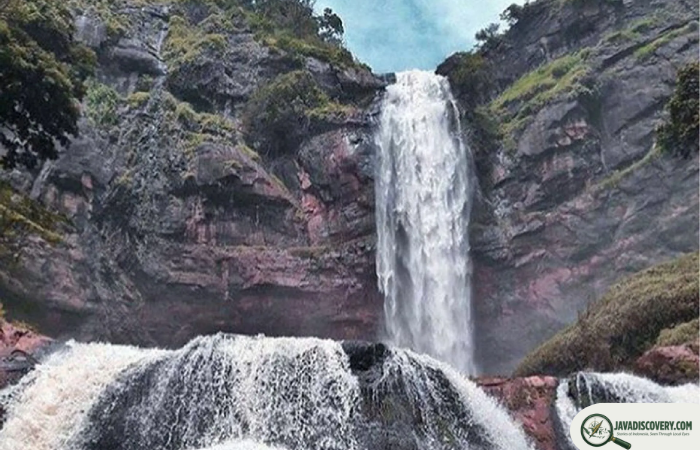
javadiscovery.com – A deep, resonant thunder reverberates through the lush, amphitheater-shaped valley of Ciletuh in southwestern West Java, where dense tropical rainforest meets the crashing waves of the Indian Ocean. Long before UNESCO recognized this 126,000-hectare expanse in Sukabumi Regency as a Global Geopark, the region sat concealed beneath the sea—a forgotten pre-historic domain shaped by intense tectonic collisions. Today, deep inside narrow river gorges, hidden beneath emerald canopies and sheer basaltic escarpments, lies a network of hidden, unmapped cascades known locally as the lost waterfalls of Ciletuh. These subterranean and jungle-shrouded cascades are far more than scenic natural wonders; they are living geological records, carrying water across some of the oldest exposed rock formations on the entire island of Java.
Subduction and Uplift: The Geological Genesis of Ciletuh
To understand the lost waterfalls of Ciletuh is to journey backward over fifty million years into the Eocene epoch. Ciletuh occupies a unique place in the geological framework of Southeast Asia, sitting directly above the ancient subduction zone where the Indo-Australian plate plunged beneath the Eurasian plate:
- The Ancient Horseshoe Amphitheater: Tectonic forces uplifted deep oceanic trenches, thrusting volcanic rock, deep-sea sediments, and tectonic breccia upward into a massive, semi-circular natural basin that resembles a giant natural theater opening toward the sea.
- Exposed Melange Formations: Ciletuh is one of the rare places on Earth where chaotic rock mixtures (*melange*) from the deep ocean floor are visible on land. Ancient pillow lavas, serpentinized mantle rocks, and fossil-rich shales lie stacked in dramatic vertical layers.
- Carving the Escompments: Over millennia, torrential monsoon rains falling on the surrounding high plateaus gathered into powerful river networks. As these rivers rushed toward the ocean, they eroded softer rock strata, plunging over vertical fault lines to form dozens of hidden, multi-tiered waterfalls.
The Lost Cascades: Hidden Wonders in the Jungle Interior
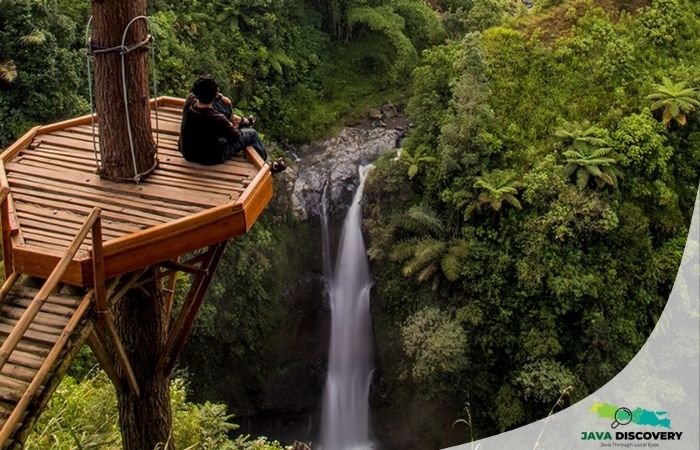
While celebrated waterfalls like Curug Cikanteh and Curug Awang draw visitors along accessible outer routes, the deeper, wilder interior of Ciletuh conceals lost waterfalls accessible only through grueling river-trekking and thick jungle navigation:
- Curug Cimarinjung and the Basaltic Wall: Hidden at the edge of a deep forested gorge, Curug Cimarinjung thunders down a jagged wall of columnar basalt. The surrounding stone displays distinct hexagonal fracturing patterns, formed when ancient underwater lava cooled rapidly under high oceanic pressure.
- Curug Dogdog and Curug Puncak Manik: Tucked beneath thick layers of climbing wild vines and giant tree ferns, these lesser-known cascades cut through ancient sandstone and mudstone beds. The constant spray creates hyper-humid microclimates where rare epiphytic orchids and endemic mosses coat every rock surface.
- Subterranean Fissure Waterfalls: Deeper within the fault lines of the Ciletuh plateau, river systems disappear into narrow limestone fissures, creating hidden underground waterfalls that roar through unlit cavernous chambers before emerging into coastal estuaries.
Ecological Sanctuaries of the Mist Zones
The perpetual mist and localized humidity generated by Ciletuh’s lost waterfalls create critical ecological niches for specialized flora and fauna, serving as refuges within West Java’s coastal forest belt:
- Refuge for Endangered Primates: The dense canopy surrounding the isolated waterfalls provides vital habitat corridors for the endangered Javan gibbon (*Hylobates moloch*) and Javan surili (*Presbytis comata*), whose calls harmonize with the sound of falling water at dawn.
- Micro-Ecosystems of the Spray Zone: The vertical rock walls surrounding the spray zones harbor specialized aquatic insects, freshwater crabs, and rare amphibious fauna adapted to survive in fast-flowing, highly oxygenated mountain waters.
Sundanese Mythology and Sacred Geography
In local Sundanese folklore, the hidden waterfalls of Ciletuh are held in deep spiritual reverence. Indigenous communities living along the Sukabumi coast view these secluded cascades as sacred bathing sites (*petirtaan alami*) and dwelling places for ancestral spirits (*danyang*):
- Guardians of the Water: Traditional village elders (*kokolot*) maintain oral taboos (*pamali*) that strictly govern behavior near the hidden waterfalls, forbidding visitors from littering, making excessive noise, or disturbing the surrounding forest.
- Ritual Purification: Local healers and spiritual seekers occasionally trek to the most secluded cascades during specific lunar cycles to conduct quiet meditation (*olah rasa*) under the falling water, seeking spiritual clarity and physical rejuvenation.
Preserving the Geological Heritage of Ciletuh
As geotourism expands across the Ciletuh-Palabuhanratu UNESCO Global Geopark, local conservation groups and indigenous guides are working to establish eco-trekking guidelines that protect the lost waterfalls from environmental degradation.
By balancing sustainable access with strict wilderness protection, the guardians of Ciletuh ensure that these ancient cascades continue to flow freely—preserving the dramatic geological story of Java’s ancient earth written in rock and water.