Horn and Bone Artisans of Magelang Fine Cutlery Combs

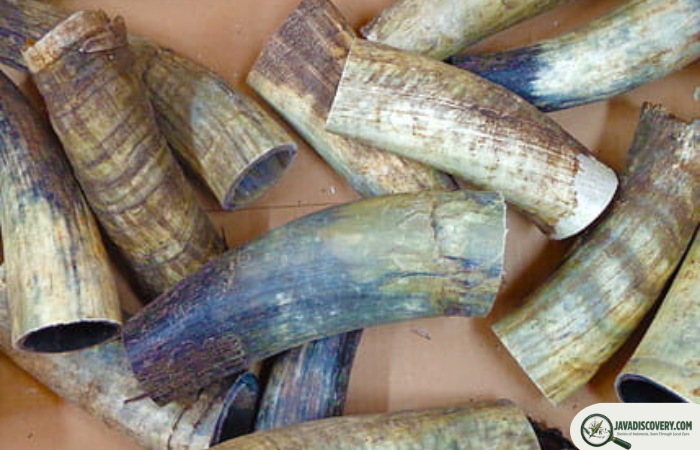
javadiscovery.com – A warm, distinct scent of singed keratin, polished horn, and wood shavings drifted through the quiet village lanes of Pucang in Secang District, Magelang Regency, Central Java. Tucked between the dramatic volcanic peaks of Mount Merbabu and Mount Sumbing, this unassuming highland hamlet has served for generations as Central Java’s premier hub for organic horn and bone craftsmanship (*pengrajin tanduk*). Inside open-air courtyard workshops, master horn sculptors sit surrounded by raw water buffalo horns, cattle bones, and custom grinding wheels. With practiced precision, these artisans heat, flatten, carve, and polish discarded organic livestock materials, transforming tough agricultural byproducts into sleek hair combs, elegant cutlery, traditional shoehorns, and intricate daily utensils. In Magelang, this centuries-old craft stands as a testament to Javanese ingenuity—a zero-waste, sustainable tradition that turns raw livestock remnants into refined, enduring works of functional art.
Historical Evolution: From Royal Utensils to Circular Craft
The practice of working with water buffalo horn (*tanduk kerbau*) and cattle bone (*tulang sapi*) in Magelang carries deep cultural roots linked to both royal court traditions and rural agrarian life:
- Sublime Natural Properties: Long before the advent of synthetic plastics, water buffalo horn was prized by Javanese artisans for its incredible density, smooth texture, warm translucent luster, and inherent flexibility when heated.
- Royal Court Associations: Historically, horn combs (*suri*) and carved bone spoons were favored inside Javanese palaces (*kraton*) because organic horn is non-reactive, heat-resistant, and entirely smooth, ensuring delicate hair fibers and textiles were never snagged or damaged.
- Zero-Waste Agricultural Philosophy: Deeply aligned with Javanese agrarian ethics, every part of a slaughtered livestock animal was honored and utilized. What could not be consumed was entrusted to village artisans, founding a early model of circular, waste-free craftsmanship.
The Craft Process: From Curled Horn to Smooth Hair Comb
Transforming a dense, twisted buffalo horn or thick leg bone into a paper-thin hair comb or balanced cutlery handle is a physically demanding process that demands heat control, patience, and precise hand-carving:
- 1. Sorting and Cleaving (*Pemotongan*): Raw horns are thoroughly cleaned, hollowed, and categorized by color—ranging from jet black and translucent honey-amber to rare marbled white. Artisans use fine hand saws to slice the curved horn along its natural grain.
- 2. Heat Softening and Flattening (*Pemanasan & Press*): Unlike timber, horn is made of keratin, which becomes pliable under high heat. Crafters gently roast horn strips over glowing charcoal hearths or dip them in hot oil vats. Once softened, the glowing horn is placed inside heavy wooden screw-presses to flatten into uniform sheets.
- 3. Fine Tooth Carving (*Gergaji Taring*): To create traditional hair combs, artisans use multi-bladed hand saws or specialized cutting wheels to cut dozens of uniform teeth into the flattened horn blank. Every tooth edge is meticulously filed and rounded by hand to guarantee a snag-free glided feel.
- 4. Natural Buffing and Polishing (*Penggosokan*): Rather than using plastic chemical lacquers, final polishing is achieved using natural abrasive pastes made from ash, teak sawdust, and dried denim cloth. Continuous friction against the buffing wheel draws out the horn’s natural oily sheen, revealing its deep, organic grain.
Sustaining Communities and Eco-Friendly Living
In an era dominated by single-use plastics and cheap disposable hair products, Magelang’s horn and bone artisans offer an inspiring eco-friendly alternative for conscious consumers worldwide:
- Naturally Anti-Static: Unlike synthetic plastic combs that create static charge and break hair strands, natural horn combs distribute natural scalp oils evenly while remaining completely anti-static, making them sought-after in luxury grooming markets.
- Village-Wide Economic Engine: In villages like Pucang, the horn industry supports dozens of home-based workshops, providing stable livelihoods for craftsmen, carvers, and international exporters.
- Biodegradable and Zero-Waste: Every scrap generated during production—from horn dust to small bone shavings—is collected and repurposed into organic fertilizer or pulverized for aquaculture feed.
Preserving Magelang’s Organic Legacy
Inside the quiet workshops of Pucang, as polishing wheels spin and smooth horn combs catch the golden afternoon light, the horn and bone artisans of Magelang continue their quiet work. By honoring ancestral techniques and breathing new life into natural materials, they ensure that Java’s rich tradition of sustainable, handcrafted utility continues to shine in the modern world.