Tourism and Tradition Can Java Truly Balance Both Worlds

javadiscovery.com – At dawn in a mountain village near the slopes of Mount Lawu, the sound of bamboo wind chimes blends with distant motorbikes climbing narrow roads. An elderly woman arranges offerings on a stone altar, her movements slow and deliberate. A few meters away, a group of visitors adjusts camera straps, whispering about the morning light. Two rhythms unfold side by side, neither fully interrupting the other, yet never completely separate. This quiet overlap has become one of the defining scenes of modern Java.
An Island Long Observed
Java has always been watched. For centuries, traders, pilgrims, colonizers, scholars, and travelers arrived drawn by its fertile land, spiritual depth, and complex societies. Today, that gaze is amplified. Cameras replace sketchbooks. Short visits replace long stays. Tourism now moves through Java’s villages, temples, coastlines, and cities with unprecedented speed.
Yet Java is not an island that performs easily. Its traditions are layered, subtle, and often inward-facing. Rituals are tied to agricultural cycles, ancestral memory, and spiritual balance rather than spectacle. The tension between tourism and tradition does not arise from hostility, but from difference in tempo and intention.
What Tradition Means in Daily Javanese Life
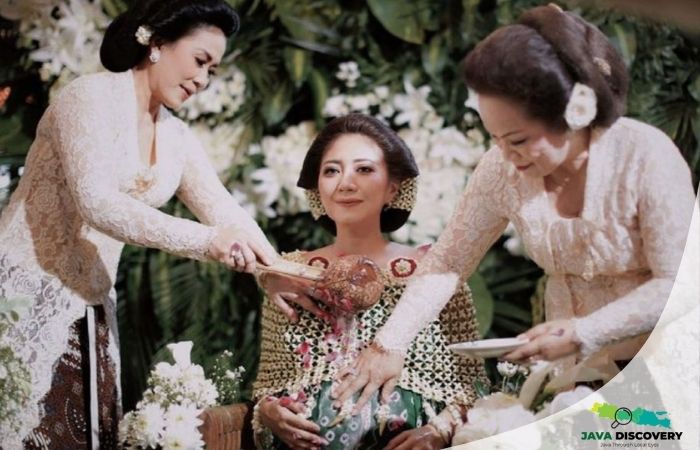
Tradition in Java is rarely confined to festivals or ceremonies. It is woven into daily gestures. The way elders are greeted. The silence maintained during certain hours. The placement of houses, trees, and water sources. These practices are not always explained, even to younger generations. They are learned through observation rather than instruction.
In rural communities, tradition regulates relationships between humans and nature. Farmers still consult local calendars to decide planting times. Fishermen read winds and tides through inherited knowledge. Spiritual offerings are placed not to attract attention, but to maintain balance between visible and invisible worlds.
Tradition as Living Practice
This living quality makes tradition vulnerable to misunderstanding. Visitors often search for clear narratives, fixed meanings, and visual drama. Javanese customs resist such framing. A ritual may appear simple while holding deep philosophical significance. Silence may be more important than explanation.
When tourism enters these spaces, the risk is not immediate disappearance, but gradual distortion.
The Expansion of Tourism Across Java
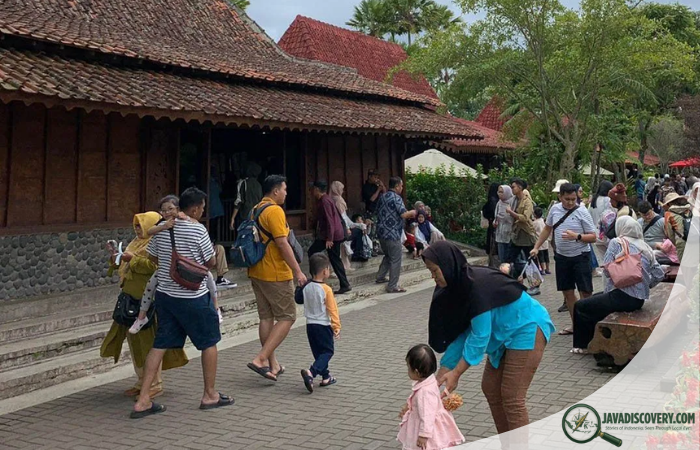
Tourism in Java is no longer limited to major landmarks. Small villages, forest edges, tea plantations, coastal settlements, and sacred sites now receive visitors seeking authenticity and quiet experiences. Social media accelerates this expansion, turning once-private spaces into visual destinations.
In some areas, tourism brings long-awaited infrastructure. Roads improve. Access to education and healthcare increases. Local economies diversify beyond agriculture. For many families, hosting visitors becomes a vital source of income.
Yet benefits are uneven. Not all communities control how tourism develops around them.
When Observation Becomes Intrusion
The shift from visitor to observer to intruder can be subtle. A ceremony once held for communal harmony becomes a scheduled event. Homes transform into backdrops. Daily labor becomes performance.
An elder in a central Javanese village explains it quietly. “At first, we were proud people came to see our ways. Later, we realized we were changing our ways so they could see.”
This change often happens unconsciously. Adjusting ritual times. Repeating ceremonies more frequently than tradition requires. Allowing behavior once considered disrespectful because it is normalized by outsiders.
The Pressure of Visibility
Visibility brings expectation. When traditions are constantly watched, they begin to lose privacy. Sacred moments become content. The line between sharing culture and exposing it grows thin.
For communities deeply rooted in spiritual balance, this exposure can feel destabilizing.
Temples Sacred Sites and the Tourist Gaze
Java’s sacred sites face particular pressure. Temples, ancestral graves, and meditation caves are not monuments in the Western sense. They remain active spiritual spaces. Visitors arrive with curiosity, while worshippers arrive with intention.
Conflicts rarely erupt openly. Javanese social values prioritize harmony over confrontation. Instead, discomfort settles quietly. Locals adapt by avoiding certain times or spaces. Sacred areas slowly lose their role as communal centers.
In some places, local guardians attempt to educate visitors about etiquette, dress, and behavior. Success depends largely on respect rather than enforcement.
Tourism as Opportunity Not Threat
Despite these challenges, tourism is not inherently destructive. In many parts of Java, communities actively shape how visitors engage with tradition.
Some villages limit access to certain rituals, keeping them private while sharing others with explanation. Others create interpretive spaces where traditions are discussed rather than staged. The focus shifts from spectacle to understanding.
A community leader in East Java describes their approach. “We do not show everything. We choose what can be shared without losing meaning.”
Community Controlled Narratives
When communities control narratives, tourism becomes dialogue. Visitors learn context. Locals maintain agency. Tradition remains grounded in lived experience rather than demand.
This model requires patience from visitors and confidence from hosts.
Urban Tourism and Cultural Identity
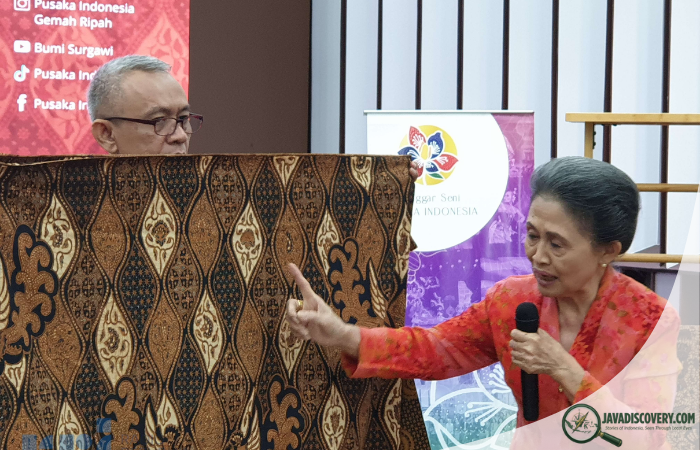
In cities like Yogyakarta and Solo, tradition and tourism intersect daily. Art markets, performances, and workshops attract visitors while serving local needs. Urban residents navigate multiple identities, balancing heritage with modern life.
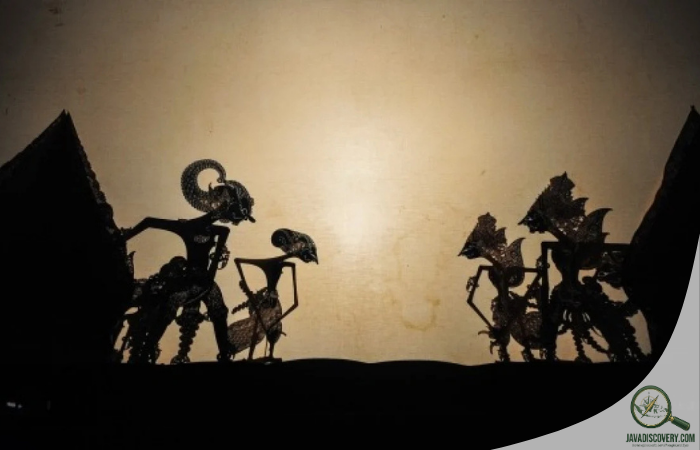
Here, tradition is more visibly adaptive. Classical dance incorporates contemporary themes. Batik motifs evolve. Language shifts between formal and casual registers depending on context.
The danger lies not in adaptation, but in oversimplification.
Economic Dependence and Cultural Risk
When livelihoods depend heavily on tourism, tradition becomes vulnerable to market forces. Cultural expressions that sell well survive. Others fade quietly.
This selective preservation reshapes heritage. What remains visible may no longer represent the full cultural landscape. Subtle practices disappear because they cannot be packaged.
Some younger Javanese express concern that they are inheriting a curated version of their own culture.
Education as the Bridge Between Worlds
Education emerges as one of the strongest tools for balance. When visitors understand why certain behaviors matter, respect increases naturally. When locals understand tourism dynamics, they gain confidence to set boundaries.
Schools, community centers, and informal discussions play a role in this exchange. Tradition survives not through isolation, but through informed interaction.
A Balance That Requires Constant Care
Balancing tourism and tradition in Java is not a problem to be solved once. It is an ongoing process shaped by trust, humility, and listening.
There is no single model that fits all communities. What works in a coastal village may fail in a mountain settlement. Balance must grow from local values rather than external expectations.
As evening settles over the island, the same village near Mount Lawu grows quiet. Visitors retreat to their lodgings. Offerings remain on stone altars. The wind carries the scent of earth and smoke. For now, the balance holds.