Javanese Traditions Every Visitor Should Understand


javadiscovery.com – Javanese traditions shape daily life across Java, and understanding them helps visitors connect more naturally with local communities. These traditions reflect a worldview built on harmony, respect, and gentle expression, creating a culture that feels warm yet layered with meaning.
The Heart of Javanese Politeness
Greeting Etiquette and Body Language

A warm smile is at the center of Javanese etiquette. People often greet by lightly touching their chest after shaking hands, a gesture that conveys sincerity. Visitors may also notice that pointing with a finger is avoided. Instead, the whole hand or thumb is used, considered more polite and humble. Sitting cross-legged in front of elders or speaking with a raised voice is also traditionally frowned upon.
The Concept of Andhap Asor
At the core of many Javanese traditions is andhap asor, the value of lowering oneself to honor others. This shows up in soft tones, indirect speech, and the desire to avoid embarrassing anyone. Even when disagreeing, Javanese people usually express it gently, choosing words that preserve harmony.
The Javanese Sense of Community
Gotong Royong and Mutual Aid
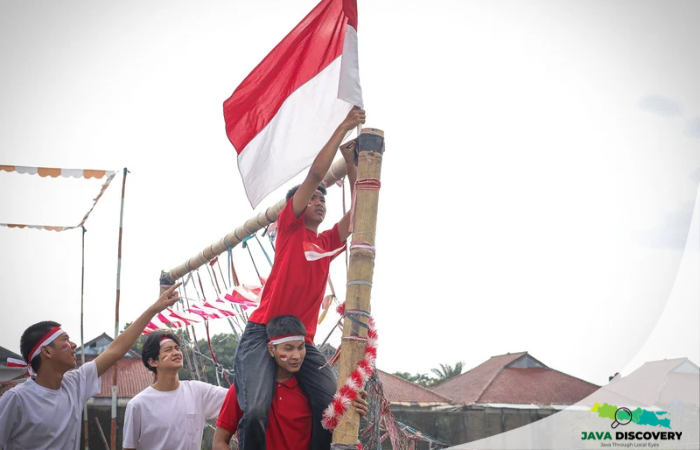
The spirit of gotong royong, or communal cooperation, has shaped villages and cities for generations. From building a neighbor’s house to organizing festivals, people work together without expecting payment. Travelers may witness this during village clean-ups, ceremonies, or community projects.
Respect for Elders
Elders hold a central place in Javanese families. Their advice carries weight, and younger members often consult them before making major decisions. When visitors enter a Javanese home, acknowledging the seniors first is considered polite and culturally aware.
Harmony as a Way of Life
The Value of Living in Balance
To stay rukun—in peaceful harmony—is a priority in Javanese society. Open conflict is avoided when possible. Remarks are softened, and communication tends to be indirect. Visitors may find that a “yes” can sometimes mean “I understand,” not necessarily agreement. This subtle language helps maintain balance in relationships.
Spiritual Traditions and Daily Rituals
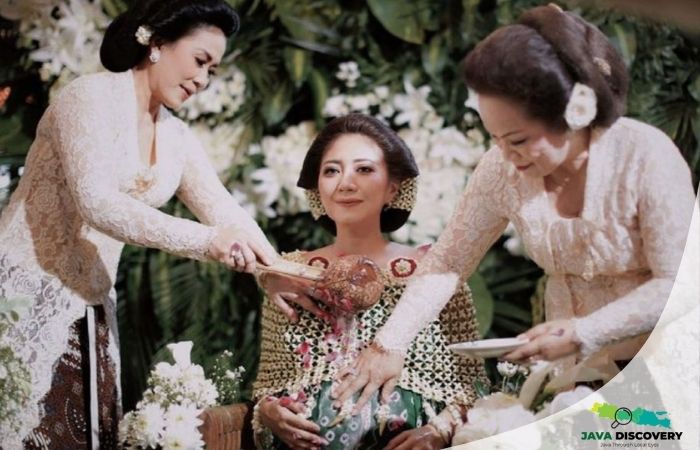
Javanese spirituality blends Islam, older local beliefs, and cultural philosophies. Small offerings during ceremonies, neighborhood gatherings called selamatan, and prayers before travel are common sights. These rituals underscore a belief that well-being depends on harmony between humans, nature, and the unseen.
Family, Food, and Social Etiquette
The Central Role of Family
Family life extends beyond the nuclear household. Cousins, aunts, uncles, and even close neighbors often function as one unit. Celebrations, problem-solving, and daily living all revolve around togetherness and mutual support.
Dining Etiquette and Sharing Food
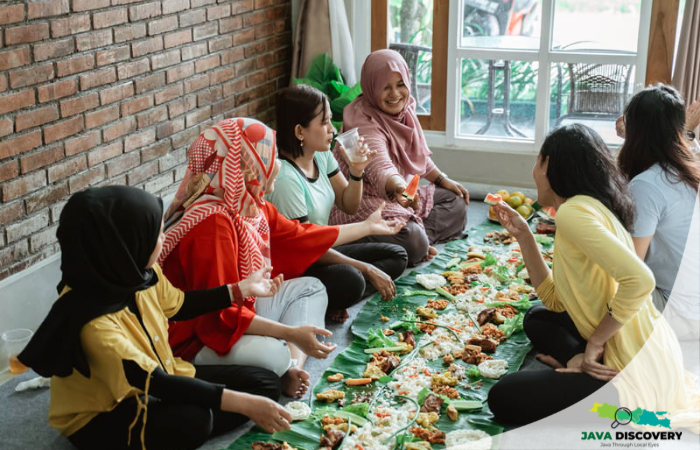
Meals are moments of connection. When visiting a home, guests are often offered food even if the visit is brief. Javanese people believe in the saying “mangan ora mangan sing penting kumpul”—“whether we eat or not, what matters is being together.” Eating with the right hand, waiting for elders to start, and offering thanks are part of dining etiquette.
Cultural Expressions That Shape Identity
Traditional Arts and Rituals
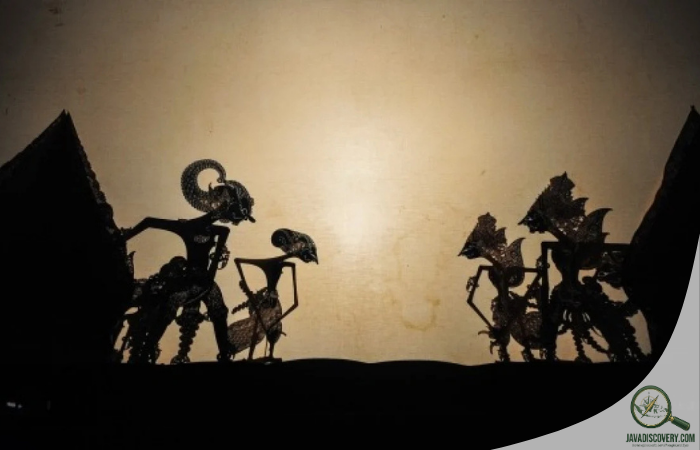
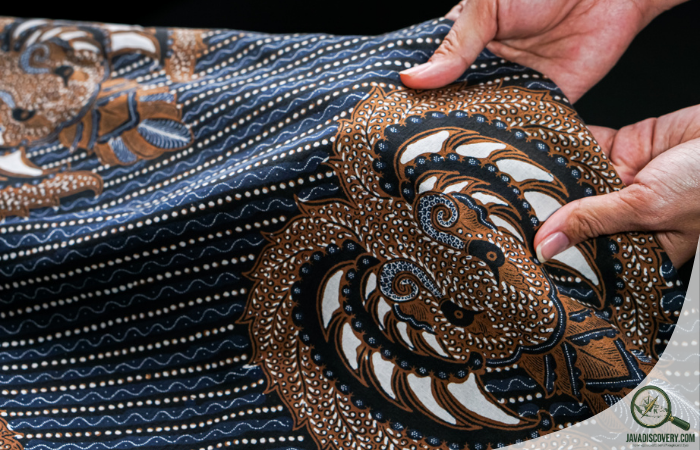
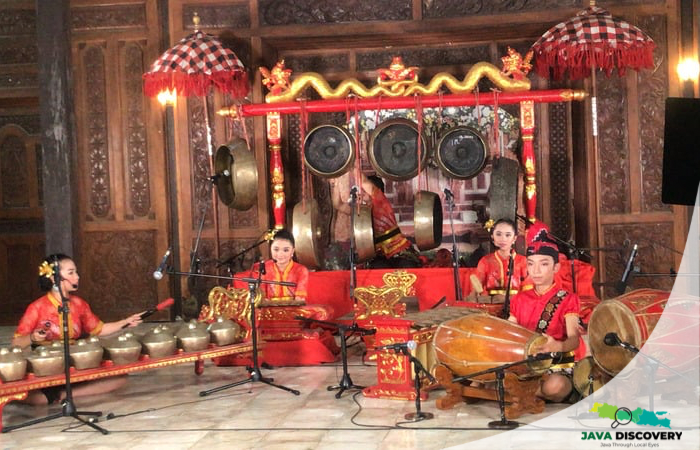
Wayang performances, gamelan orchestras, batik workshops, and classical dance all express Javanese philosophy. They teach patience, discipline, and the balance between movement and stillness. Many communities still hold rituals tied to harvests, births, and ancestral remembrance.
Language Nuances Every Visitor Should Know
The Javanese language has levels: ngoko for casual conversation, krama for polite speech, and krama inggil for communicating with respected elders. Even if visitors cannot speak the language, being aware of this structure helps them appreciate the care Javanese people put into communication.
Experiencing Javanese Traditions as a Visitor
Travelers can experience these traditions firsthand by visiting cultural villages, joining batik or gamelan workshops, attending ceremonies, or spending time in local markets. The deeper you look, the more layers of meaning emerge through everyday interactions.
Understanding Javanese traditions doesn’t just enrich your travels. It opens a window into a worldview shaped by grace, community, and the quiet pursuit of harmony.