Why Yogyakarta Is the Beating Heart of Javanese Culture

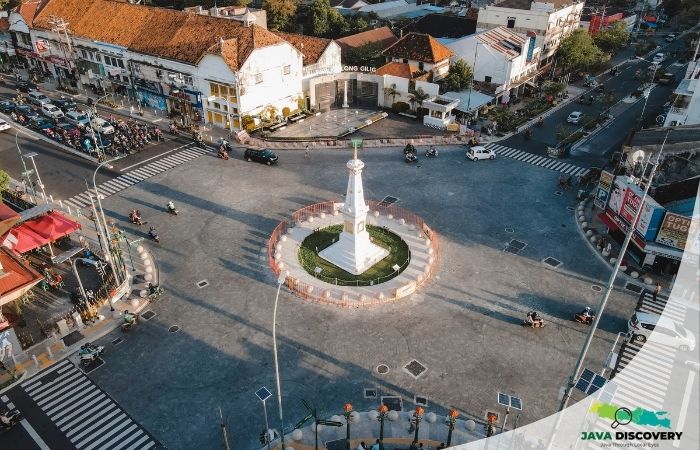
javadiscovery.com – They say Bali speaks to your senses, but Yogyakarta speaks to your soul. Tucked in the fertile heart of Central Java, this city is more than just a place on the map; it’s the living pulse of Javanese civilization, where art, faith, and royalty still breathe in rhythm with everyday life. Here, centuries-old rituals meet a youthful, creative spirit that refuses to fade, making Yogyakarta not just a destination, but a revelation.
The Living Heritage of the Sultanate
At the center of the city stands the Kraton Ngayogyakarta Hadiningrat, the royal palace that remains the spiritual and political heart of the Javanese world. Founded in 1755 after the Giyanti Agreement, the Sultanate of Yogyakarta continues to preserve an intricate balance between the ancient and the modern. Every morning, palace courtiers dressed in traditional attire perform rituals that have changed little since the 18th century, a delicate reminder that heritage here is not a relic, but a rhythm of life.
Within the Kraton’s courtyards, sacred heirlooms known as pusaka are guarded like living entities. Their maintenance, accompanied by offerings and prayers, reflects the Javanese belief in harmony between the seen and unseen worlds. Even today, the Sultan plays a symbolic role as the protector of this cultural cosmos, a bridge between divine order and human society.
Art as a Way of Life
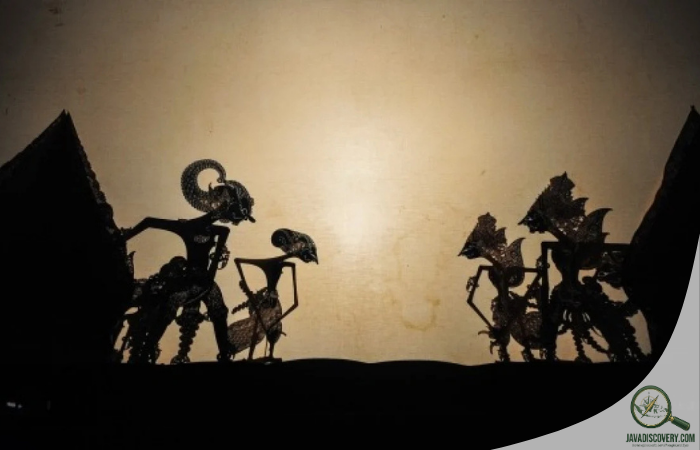
In Yogyakarta, art isn’t something hung on a wall, it’s woven into the city’s soul. The hypnotic rhythm of the gamelan orchestra, the intricate strokes of batik cloth, and the dramatic dance of wayang kulit puppetry tell stories that predate written history. Every performance, every motif, carries lessons of morality, philosophy, and cosmic balance.
Wander through Kotagede, once the capital of the Mataram Kingdom, and you’ll find silversmiths hammering delicate patterns into jewelry inspired by the same designs worn by sultans centuries ago. In Taman Sari — the old royal water garden — echoes of ancient performances still whisper through the arches, where musicians once played for the king. Meanwhile, young artists at Institut Seni Indonesia (ISI) reinvent these traditions, merging classical aesthetics with modern expression. In Yogyakarta, the past and present don’t collide, they collaborate.
Spiritual and Philosophical Depth
To understand Yogyakarta is to understand the Javanese philosophy of Hamemayu Hayuning Bawana — the call to beautify the world through harmony. The city’s very layout embodies this principle: aligned along a north–south axis connecting Mount Merapi, the Kraton, and the Indian Ocean. This sacred line symbolizes the connection between the divine, the human, and the natural realms.
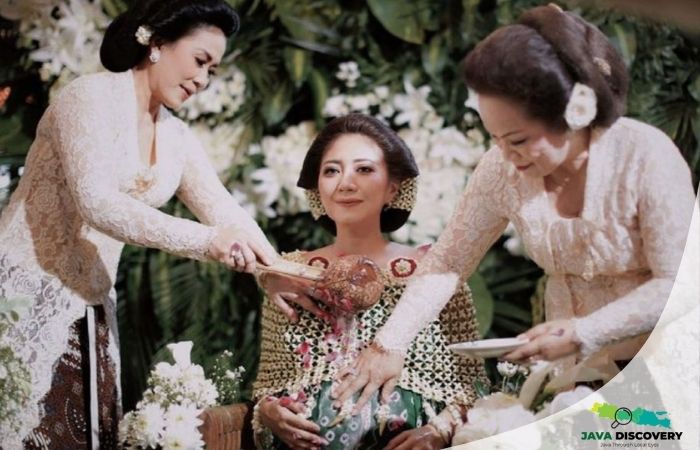
Ritual processions such as Labuhan — offerings made by the Sultan to the ocean — reflect the city’s deep respect for nature’s balance. Every temple, courtyard, and shadow play becomes a meditation on coexistence. In Yogyakarta, spirituality isn’t confined to temples; it’s embedded in the architecture, the rhythm of daily prayers, and the gentle etiquette that defines Javanese grace.
A City of Creativity and Continuity
Despite its ancient roots, Yogyakarta is far from trapped in the past. The city’s youthful energy — powered by its many universities and art communities — has made it Indonesia’s creative capital. Street murals bloom across the walls of Prawirotaman and Mantrijeron, poetry nights echo in cozy cafés, and avant-garde art installations coexist with wayang performances.
Events like the Jogja Biennale showcase the fearless spirit of local artists who experiment with global ideas while staying rooted in Javanese identity. This dynamic blend of tradition and innovation keeps the cultural heart of Java beating strong — steady, yet ever evolving.
Experiencing Yogyakarta Today
To feel Yogyakarta’s rhythm, one must walk through its layers of history. Begin at the Kraton, where royal guards in batik sarongs and blangkon headgear greet you with calm dignity. Wander to Taman Sari’s moss-covered pools, explore the silver workshops of Kotagede, or lose yourself in the timeless beauty of Prambanan Temple.
In the evening, stroll along Malioboro Street — where street musicians, painters, and food vendors turn the city into a living stage. Don’t just take photos; sit, listen, and taste. Join a batik workshop, watch a wayang kulit performance, or sip kopi joss by the roadside while trains rumble softly through the night. That’s when you’ll understand — Yogyakarta isn’t merely seen, it’s felt.
Conclusion: The Pulse of Java
Yogyakarta is not a monument of the past, it’s a living, breathing testament to what it means to be Javanese. In its alleys, you’ll find stories written not on paper, but in sound, scent, and gesture. It’s where the sacred and the everyday share the same breath, where wisdom is whispered through batik patterns and puppet shadows. And as long as gongs echo from the Kraton and offerings float to the sea, Yogyakarta will remain, the beating heart of Java.