The Rediscovery of an Ancient Stepped Shrine in Cibalay West Java


javadiscovery.com – Deep inside the rainforest of West Java, archaeologists have uncovered one of the most significant prehistoric discoveries in recent years. Hidden beneath thick vegetation near the slopes of Mount Salak, the Cibalay site reveals a massive punden berundak — a sacred stepped structure built thousands of years before temples appeared in Indonesia.
This discovery not only reshapes our understanding of early Javanese civilization, but also highlights how ancient spiritual landscapes continue to shape cultural life today.
Where Is the Cibalay Site Located?
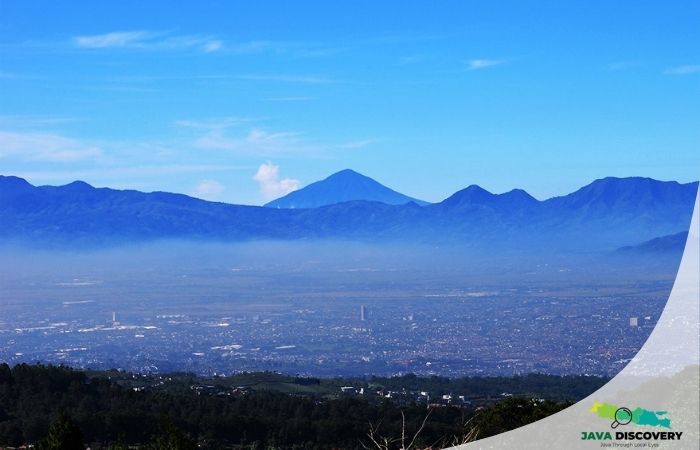
The Cibalay prehistoric complex is located in Desa Tapos I, Tenjolaya District, Bogor Regency, West Java, approximately 24 kilometers from Cibinong. The site lies within dense forest inside the greater area of Gunung Halimun Salak National Park, where natural conservation zones overlap with long-forgotten cultural landscapes.
Recent archaeological delineation activities identified at least 38 potential cultural heritage points across the area. Five of these have already been officially designated as protected cultural heritage sites by the local government.
What Is a Punden Berundak?
For international readers unfamiliar with the term, a punden berundak is an ancient stepped shrine built during Indonesia’s prehistoric period. It is widely regarded as the earliest form of sacred architecture in the Indonesian archipelago.
Unlike temples, a punden berundak is not an enclosed building. Instead, it consists of a series of open stone terraces arranged vertically, usually following the natural contours of hills, ridges, or valleys. Each terrace served ritual purposes, with the highest level considered the most sacred.
Archaeologists consider punden berundak the architectural ancestor of later Hindu-Buddhist temples in Java. Long before stone temples were constructed, prehistoric communities were already shaping landscapes into sacred, symbolic spaces.
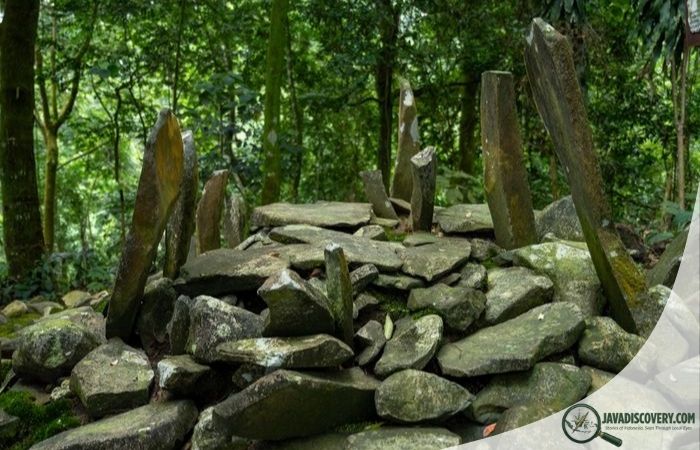
A Sacred Structure from the Neolithic Era
The punden berundak belongs to the megalithic tradition — a cultural system centered on ancestral worship and stone-built ritual spaces — which began during the Neolithic period and continued long after, roughly between 2500 and 1500 BCE. These structures were built by early Austronesian-speaking communities who migrated across Southeast Asia and the Pacific.
According to researchers, punden berundak functioned as places to honor ancestral spirits, conduct rituals, and maintain harmony between humans, nature, and the unseen world. Standing stones (menhirs), flat offering stones, and stone stairways are common elements found within these sacred terraces.
The Major Discovery at Cibalay
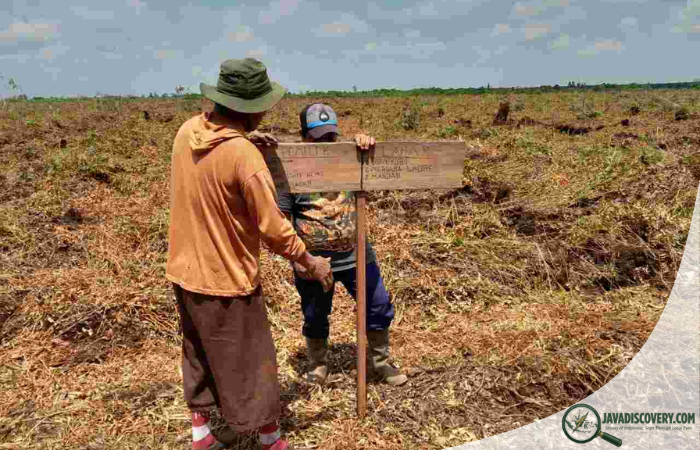
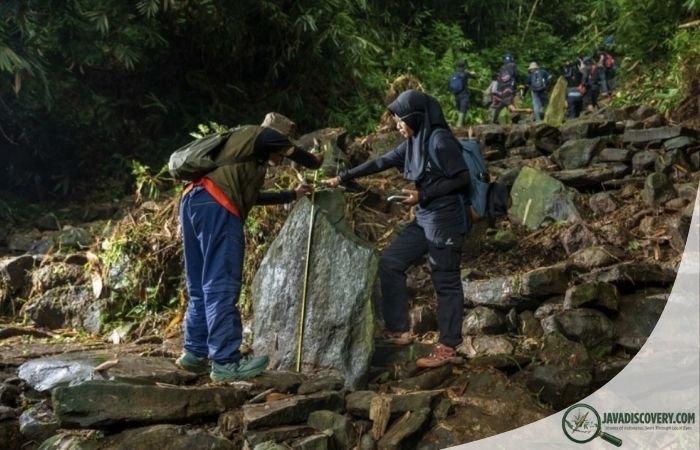
During recent fieldwork, the archaeological team uncovered a large stepped structure with seven to eight substantial terraces, along with menhirs and stone altars. The discovery was made after days of clearing dense vegetation and working under heavy rain.
All identified objects were temporarily named and catalogued to assist with documentation and further study. The size and complexity of the structure surprised even experienced researchers.
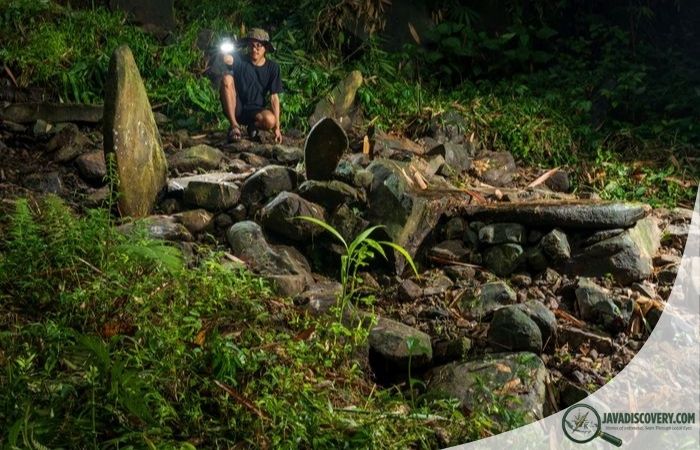
Built from the Landscape Itself
Unlike other famous sites such as Gunung Padang, which feature tall columnar stone blocks, the Cibalay punden berundak is constructed from flatter stones that follow the natural surface of the land. This technique shows how prehistoric communities adapted their sacred architecture to the materials and terrain available around them.
The name “Cibalay” comes from the Sundanese word babalay, meaning stones arranged for a specific purpose — a fitting description for this ancient ritual landscape.
Continuity Between Prehistoric and Classical Java
The importance of punden berundak extends beyond the prehistoric era. Archaeological evidence from other sites in Java shows that later Hindu-Buddhist temples were sometimes built on top of earlier stepped shrines.
This suggests cultural continuity rather than replacement. Sacred places remained sacred, even as belief systems evolved.
A Living Sacred Landscape
Cibalay is not merely an archaeological relic. Local communities continue to visit the site for rituals, meditation, and prayer. These practices reflect a living relationship between people and ancestral landscapes.
Abah Engkus, a local caretaker who has served since 2011, recalls participating in ancestral rituals as a child. Before harvest season, families would pray for permission and protection, offering food such as rice cones and fruit to honor both ancestors and the Creator.
Delineation and Cultural Protection
Delineation of the Cibalay site is crucial, especially as the area is part of Bogor Regency’s geopark program. Clear cultural boundaries help prevent land-use conflicts and ensure protection under Indonesia’s Cultural Heritage Law No. 11 of 2010.
The delineation process involved archaeologists, geodesy experts, students, and national park authorities working together to map cultural zones accurately.
New Discoveries Across the Landscape

In just two weeks of fieldwork, researchers identified 33 new potential cultural heritage points. Among the most remarkable findings was a massive punden berundak with at least ten terraces, rising nearly 20 meters high.
Unlike most stepped shrines built on hill ridges, this structure sits in a valley flanked by two ridgelines, challenging previous assumptions about how sacred spaces were chosen in prehistoric Java.
Water, Ritual, and Sacred Boundaries
The presence of natural springs near the newly discovered structure further confirms its ritual function. Water played a crucial role in purification ceremonies, marking the boundary between sacred and everyday space.
Across Java, many prehistoric ritual sites are located near water sources, reflecting how spiritual practices were deeply tied to natural resources.
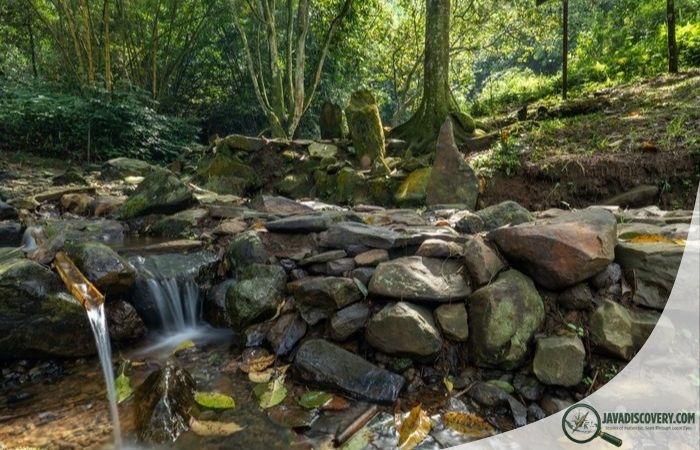
The site is bordered by a small stream fed by a spring located uphill.
A Model for Future Heritage Preservation
The success of the Cibalay delineation shows how cooperation between local communities, academic institutions, cultural authorities, and environmental agencies can protect heritage without harming ecosystems.
Much of Java’s prehistoric past remains hidden beneath forests and mountains. The rediscovery of Cibalay reminds us that the island’s oldest spiritual traditions were carved directly into the land itself.
Cibalay is not only a site of ancient stones, but a living bridge between past belief systems and present responsibility.