The Code Language of Resistance: Basa Walikan Malang and the Secret Cipher of East Java

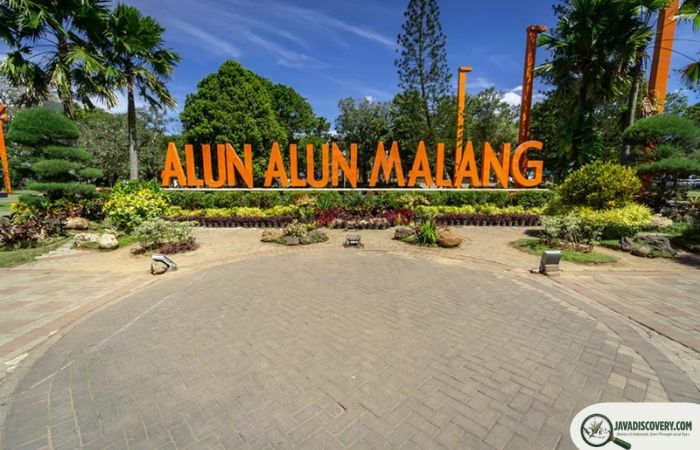
javadiscovery.com – Wander through the vibrant, sunlit alleys of Malang in East Java today, and you will hear a linguistic rhythm that sounds instantly familiar yet delightfully puzzling to outside Javanese speakers. Youth lounging in roadside cafes refer to their close friends not as mas, but as kera. They call their hometown Ngalam, sip a hot cup of susu referred to as usus, and refer to police or military figures as polop (from polisi). This is Basa Walikan Malang (also known as Osob Kiwalan)—a unique reversed-letter street dialect. While it thrives today as a proud badge of local identity and urban solidarity, its origins are far from casual youth slang. Basa Walikan was forged in the heat of guerrilla warfare during the Indonesian National Revolution, serving as a life-or-saving linguistic cipher created by freedom fighters to baffle enemy spies and Dutch intelligence.
Forged in Guerrilla Warfare (1945–1949)
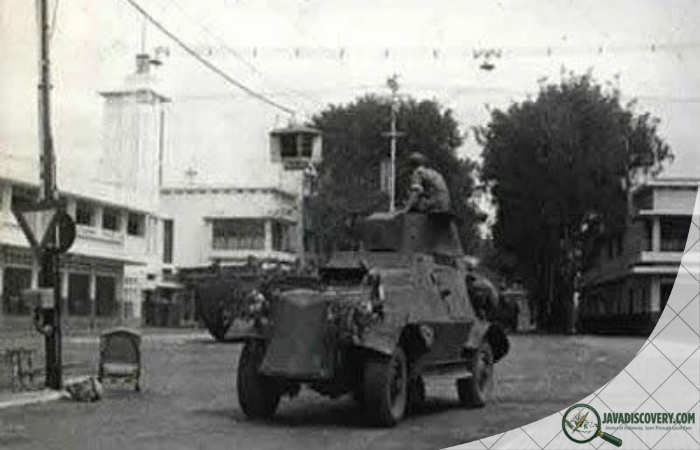
Following the declaration of Indonesian independence in August 1945, the Dutch military launched aggressive military offensives (known locally as Agresi Militer Belanda) to reclaim control over the strategic, resource-rich territories of East Java. Malang, situated in a fertile plateau surrounded by volcanic mountains, became a fiercely contested stronghold for Indonesian freedom fighters, including the legendary TNI Brigade IV under Colonel Hamid Rusdi.
As fighting intensified, the resistance movement faced a lethal security threat: infiltration by Dutch spies, informants, and local collaborators (known as spion or intel). Because many Dutch military intelligence officers and native mercenaries spoke fluent standard Javanese, low Javanese (Ngoko), and even local East Javanese dialects, traditional coded messages sent between guerrilla cells, couriers, and urban underground networks were constantly intercepted and decoded, leading to disastrous ambushes and arrests.
Recognizing the urgent need for an uncrackable, immediate verbal cipher, Javanese freedom fighters in Malang—credited in local oral history to figures like Suyudi Raharno and his combat comrades—engineered a systematic linguistic transformation. By reversing the order of letters in standard Javanese and Indonesian words, they created an instant, fluid spoken code that could be deployed openly in street markets, checkpoints, and combat zones without alarming enemy listeners.
The Mechanics of ‘Osob Kiwalan’ (Reversed Speech)
Unlike standard Javanese cryptography, which relies on written alphabetic shifts, Basa Walikan (“reversed language”) was designed primarily for rapid, spoken communication. The basic rule appears straightforward: read a word completely backward from last letter to first.
However, the genius of Basa Walikan lay in its organic phonological adaptations. True combat ciphers must be easy to pronounce at full conversational speed. Where direct letter reversals produced unpronounceable consonant clusters, fighters adjusted the letter order to maintain natural Javanese vocal cadence:
1. Direct Reversals:
Malang becomes Ngalam.
Arek (child/youth) becomes Kera.
Osob (basa/language) becomes Basa reversed.
Suroboyo (Surabaya) becomes Oyoborus.
2. Tactical Modifications:
Words like Polisi (police) became Polop, creating a distinct shorthand. The term for “Dutchman” or “enemy” (Londo) was reversed to Odnol. If a guerrilla courier approached a city gate and spotted a Dutch patrol, they could casually call out to a comrade, “Odnol eke!” (“The Dutch are here!”), warning fellow fighters without giving away the alert to non-native ears.
3. Selective Application:
Basa Walikan was never spoken as an entirely isolated grammatical system. Instead, reversed vocabulary words were seamlessly slotted into standard East Javanese sentence structures and verb prefixes. This created a dual-layer barrier: even if an outsider recognized a reversed word, the rapid blend of standard Javanese grammar and scrambled nouns made decoding a full sentence in real-time nearly impossible.
The Linguistic Defense of the Realm
During the urban resistance and mountain warfare around Malang, Basa Walikan proved extraordinarily effective. Couriers delivering handwritten notes, ammunition supplies, or tactical orders through enemy lines spoke in Walikan to confirm each other’s identities. A spy attempting to pass as a local resistance fighter would quickly trip over the subtle pronunciation nuances and specific reversals unique to the local cell, exposing themselves before they could gather intelligence.
It functioned as a living, spoken “passcode.” In the high-stakes environment of revolution, a single slip of the tongue meant execution or imprisonment. Basa Walikan provided a psychological and tactical shield, transforming the native tongue into a military weapon that the enemy could neither master nor censor.
From Guerrilla Cipher to Cultural Pride
When the war ended and sovereignty was formally recognized, Basa Walikan did not vanish into historical archives. Instead, the returning fighters brought the language back into the neighborhoods, coffee stalls, and market squares of Malang. It evolved from a secret military code into a badge of honor—a linguistic monument to the courage and cleverness of the city’s wartime generation.
By the 1970s and 1980s, new generations of Malang youth adopted Osob Kiwalan as their defining street dialect, expanding its vocabulary to include modern terms, music, and sports slang. Today, it stands as the official informal dialect of the Arema identity (the passionate community identity surrounding Malang culture and its football club). Banners across the city proudly feature slogans written entirely in Walikan, such as “Salam Satu Jiwa” rendered as “Satu Jiwa Awij” or city pride hailed with “Ngalam Ilakes” (Malang Sekali / Truly Malang).
A Living Monument to Revolutionary Ingenuity
The story of Basa Walikan Malang serves as a profound reminder that resistance during the Indonesian National Revolution was fought not only with rifles, bamboo spears, and physical bravery, but with creative intellect and cultural adaptability. By twisting their native tongue into an uncrackable cipher, the fighters of East Java proved that language itself can serve as a fortress.
When you hear young people in Malang speaking Basa Walikan today, you are listening to more than modern street slang. You are hearing the living echoes of an underground radio code—a clever, rebellious, and enduring voice of freedom forged in the fires of independence.