The Hydrology of Tirakat Kungkum Midnight River Immersion at Javanese Tempuran

javadiscovery.com – Stepping off the muddy, root-tangled bank of the Opak River around midnight, the air feels heavy with damp mountain mist and the scent of crushed night-blooming jasmine floating down from nearby village shrines. The water is startlingly cold, sending an immediate sharp jolt through the skin as it rises past the knees, the waist, and finally settles around the collarbone. Wading carefully over smooth, slippery river stones in total darkness, you reach the middle of the channel where two distinct currents merge with a soft, churning hum. This is a tempuran, the confluence where two rivers join into one. Here, submerged up to his chin in the dark, rushing water, sits Pak Mulyono, his hands folded beneath the surface and his breath measured, quiet, and steady. He is practicing tirakat kungkum, an ancient Javanese discipline of midnight river immersion that combines physical endurance with an intense search for inner spiritual stillness.
The Sacred Geography of the Tempuran
To understand why practitioners of Kejawen—the traditional Javanese system of spiritual philosophy—travel to river junctions in the middle of the night, one must first look at how water movement is understood in rural Java. A single river is seen as a moving ribbon of energy, carving through the landscape and picking up the raw characteristics of the mountains, forests, and soils it touches. When two separate rivers flow together at a tempuran, their currents do not merge instantly. Instead, they collide, swirl, and create dynamic underwater whirlpools and thermal variations before settling into a shared direction.
In Javanese cosmology, this meeting point of two waters represents a powerful natural nexus where opposing forces balance one another out. It is a physical place that mirrors the spiritual ideal of “manunggal,” the harmonious merging of distinct elements into a single unity. The left branch might carry the swift, cold runoff from high volcanic slopes, while the right branch carries warmer, silt-heavy waters from lowland valleys. Sitting precisely at the point where these two currents meet allows the practitioner to anchor themselves within a living whirlpool of natural energy, using the physical force of the water to quiet the noise of the human mind.
Pak Mulyono, a sixty four year old practitioner who has spent decades studying the riverways surrounding Yogyakarta and Surakarta, adjusted his position on the riverbed, letting the dark current wash over his shoulders. A tempuran is not just water meeting water, he explained softly, his voice barely rising above the rushing sound of the river. It is where two different stories become one. When you sit in the middle of that junction at midnight, you are putting your body between two moving worlds. If your mind is unsettled or arrogant, the river will throw you off balance immediately. You have to become as quiet as the stone beneath you.
The Hydrology and Physicality of Cold Water Immersion
While the spiritual framework of tirakat kungkum is steeped in ancient metaphor, the physical reality of sitting submerged in a tropical river for two to three hours after midnight is an intense test of physiological resilience. The water temperature of Javanese rivers dropping off volcanic highlands at night often hovers between fifteen and eighteen degrees Celsius. When a human body enters this cold water, the immediate neurological response is a sharp gasp and a sudden spike in heart rate as the sympathetic nervous system reacts to the cold shock.
Mastering kungkum requires overriding this instinctual panic through controlled, deep abdominal breathing, shifting the body from a state of shock into a state of deep parasympathetic stillness. As blood vessels near the skin constrict to conserve core heat, the practitioner enters a hyper-focused state of physical awareness. The constant, rhythmic pressure of the moving current against the chest and back acts as a form of sensory grounding, forcing the mind to abandon lingering thoughts of daily worries, financial stress, or social conflict. There is only the immediate reality of the cold, the breath, and the heavy pulse of the water.
Practitioners usually choose spots where the water depth reaches precisely to the neck while sitting cross-legged on the riverbed or resting on submerged boulders. Remaining still in a fast flowing current requires subtle, continuous adjustments of posture and core balance. The water tries to lift and push the body downstream, but by sinking lower and releasing physical tension rather than fighting the current, the practitioner uses the water’s own mass to hold themselves anchored in place. This physical surrender mirrors the core spiritual goal of the practice: achieving “pasrah,” a state of absolute submission and quiet trust in the larger forces of existence.
Elements of the Kungkum Practice
The practice of midnight river immersion involves a careful balance of environmental factors, bodily control, and intentional mindset. The key components that define a traditional session include:
Site Selection (Tempuran): The chosen location must be a natural confluence of two rivers, ideally situated away from artificial streetlights, bridges, or heavy urban pollution where the natural currents flow freely.
Timing (Malam Jumat Kliwon or Satu Suro): While kungkum can be performed whenever a practitioner feels the spiritual need, sessions are most frequently held on auspicious dates in the Javanese calendar when cosmic energy is believed to peak.
Physical Stance (Sila Kungkum): The practitioner sits cross-legged or kneels directly on the river floor, keeping the torso submerged up to the chin with the head held erect and eyes partially closed or focused on the dark horizon.
Mental Discipline (Olano Rasa): The internal focus shifts away from physical discomfort toward breath control, quiet contemplation, and the intentional release of personal ego and negative emotions into the passing current.
The Ritual Framework and Preparation
Tirakat kungkum is never approached as a casual swim or a test of foolish bravery. Entering a dangerous river at night without proper mental preparation and spiritual respect is considered a fast route to injury or drowning. Before slipping into the water, practitioners perform a series of quiet rituals on the riverbank to prepare their mind and pay homage to the natural environment.
A small offering known as a “sesajen” is often laid on a flat stone near the water’s edge. This offering typically consists of “kembang setaman”—a mix of fresh rose, jasmine, and cananga petals floating in a small brass bowl—alongside a single stick of incense and a small slice of turmeric. The practitioner burns the incense, letting the fragrant smoke mingle with the damp river mist while reciting a quiet prayer of request, asking permission from the Creator and the unseen guardians of the riverway to enter the water safely.
Following the prayer, the practitioner washes their face, hands, and feet in the river water, gradually acclimating the skin to the temperature before stepping fully into the current. They walk slowly, feeling out every underwater stone with their feet to avoid sudden drops or submerged tree branches swept down by upstream rains. Once the proper position at the tempuran is reached, the external world fades away, replaced by the solitary experience of the dark river.
Cooling the Fire of the Human Soul
In the vocabulary of Javanese ethics, the human mind is constantly threatened by “hawa napsu”—the chaotic storm of desires, anger, vanity, and ambition that burns like an internal fire. This internal heat is believed to make a person volatile, quick to anger, and blind to the subtle needs of their family and community. The primary purpose of tirakat kungkum is to perform “ngademake raso,” or cooling the emotional core of the individual.
By immersing the body in the cold, moving water of a tempuran at the quietest hour of the night, the practitioner symbolically and physically washes away this internal heat. The river is seen as an endless, indifferent broom that sweeps away the accumulated dirt of pride and emotional clutter. When a person sits in the dark for hours, surrounded by the towering trees of the river valley and the indifferent rush of gallons of water, the ego naturally shrinks. One realizes how small and temporary human troubles are when set against the eternal cycles of the natural world.
This process of cooling is not about suppressing emotion, but about reaching a state of “wening”—a clear, unruffled mental state like the smooth surface of a mountain pool. A person who emerges from a successful kungkum session is expected to return to their home with a gentle voice, a calm demeanor, and an increased capacity for patience and empathy toward others. The physical hardship endured in the cold water serves as a quiet bank of inner strength that can be drawn upon when facing the everyday frictions of life.
Tempuran Traditions in a Changing Landscape
As Java’s cities expand and modern infrastructure transforms the countryside, finding pristine, quiet river junctions has become increasingly challenging. Agricultural runoff, industrial pollution, and plastic waste have degraded many traditional tempuran sites near major urban centers. Furthermore, concrete embankments and flood control dams built along rivers like the Solo and the Brantas have altered the natural flow and physical contours of ancient confluences.
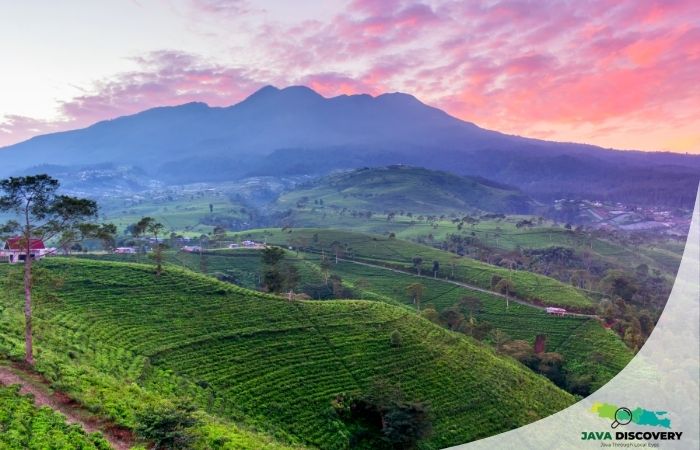
Despite these environmental shifts, the practice of tirakat kungkum remains deeply resilient. Dedicated practitioners travel further up into the forested foothills of Mount Merapi, Mount Lawu, and Mount Sundoro to seek out clean, unpolluted river junctions where the air is pure and the water runs clear over volcanic sand. Modern environmental groups across Java have even begun working alongside traditional cultural guardians to clean up historic river junctions, recognizing that protecting the spiritual heritage of the tempuran goes hand in hand with preserving the island’s fragile aquatic ecosystems.
For young generations of Javanese seeking a grounding connection to their cultural roots amidst the rapid pace of the digital age, the quiet discipline of the river offers a profound anchor. It provides an antidote to the constant noise and screen-driven stress of contemporary urban life, offering a timeless space where one can strip away technology, step into the cold water, and listen to the ancient conversation between the earth and the river.
As the first faint pale light of dawn begins to tint the eastern sky over the river valley, casting a cold grey shimmer across the surface of the tempuran, Pak Mulyono slowly stands up from the riverbed. Water streams off his clothes as he walks carefully back toward the shore, his skin cold to the touch but his movements slow, deliberate, and entirely unhurried. Sitting on a dry stone on the bank, he wraps a warm sarong around his shoulders and takes a long sip of hot ginger tea from a small flask. The night is over, the prayers have been spoken into the water, and he walks back toward the village with a heart that is cool, steady, and completely at peace.