The Sacred Architecture of the Pasren Shrine to Dewi Sri

javadiscovery.com – Stepping inside an old wooden Joglo house in rural Central Java, the temperature drops almost instantly. The air is thick with the scent of dried teak, damp earth, and the faint, sweet residue of jasmine incense that seems baked into the wall timbers over decades. In the deepest, quietest corner of the home sits a raised central chamber known as the krobongan. For generations of Javanese rice farmers, this was not a bedroom for family members, but a sacred inner sanctuary reserved entirely for Dewi Sri, the goddess of rice and agriculture. At the heart of this dim, veiled space lies the pasren, a beautifully constructed crop altar that serves as the physical and spiritual anchor of the agrarian home.
The Sanctuary at the Center of the Earth
In traditional Javanese domestic architecture, space is organized along a precise axis running from the public world outside to the private, sacred core inside. While the front porch or pendopo welcomes guests, the krobongan sits dead center at the rear of the house. To understand the pasren, you have to understand the way rural Javanese families view their homes. A house is not merely a shelter from rain and wind; it is a small model of the universe. The four central teak pillars supporting the roof, known as the soko guru, represent the four cardinal directions, while the space between them holds the home spiritual weight.
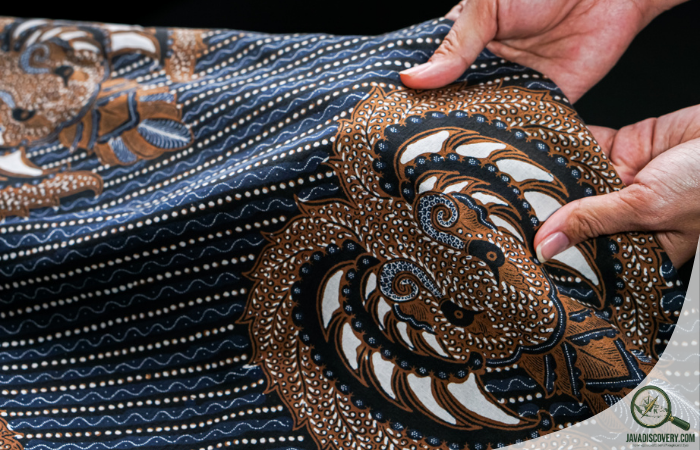
Inside the krobongan, the pasren sits elevated on a carved wooden platform, often cushioned with layered woven pandanus mats and wrapped in fine batik cloth. The word pasren itself shares roots with words for beauty, royalty, and resting places. It is essentially a royal court built in miniature for an invisible queen. Farmers believe that Dewi Sri visits the home following every harvest, resting inside the pasren to bless the family seed stock and ensure that the soil remains fertile for the coming season. Without her presence, the cycle of planting and harvesting falls out of balance, inviting pests, drought, and crop failure.
Pak Sutrisno, an eighty year old carpenter and village historian from the foothill settlements outside Surakarta, leaned against a hand carved doorframe as he explained the geometry of the space. He pointed toward the heavy drapery that frames the shrine. In the old days, every farmer built his house around the pasren first, he told us. You did not carve a dining table or build a fence until the seat for Dewi Sri was positioned correctly. If the center of the house is cold and forgotten, the fields outside will reflect that neglect.
Anatomy of the Crop Altar
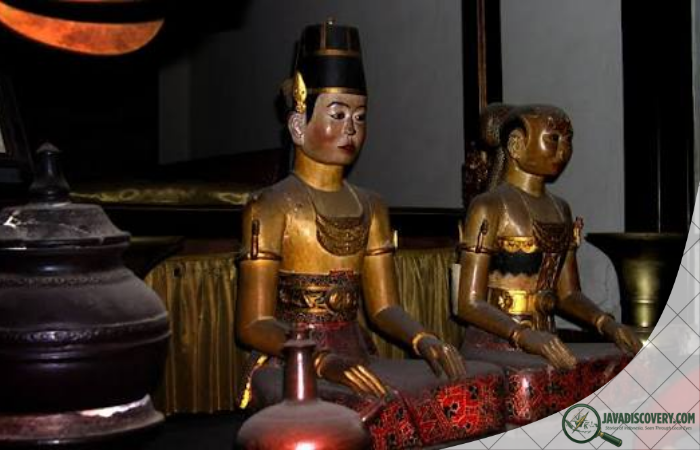
The construction of a traditional pasren is a masterpiece of symbolic woodworking and natural textile art. Unlike Western altars, which often focus on static statues or religious text, the pasren is an active, breathing assemblage of living organic material and hand crafted symbolic tools. At the center of the altar sits a pair of ritual dolls known as the Sri Sadono or mboyong mbok sri. Handcrafted from freshly harvested rice stalks wrapped in batik, these twin figures represent Dewi Sri and her male counterpart, Raden Sadono. They are dressed like royal brides and grooms, sitting upright facing the entrance of the chamber.
Flanking the rice figures are carved wooden cases containing agricultural implements in miniature. You will find small wooden plows, tiny sickles, seed baskets, and woven trays. These are not toys; they are functional symbols designed to sanctify the human labor required to cultivate the land. Surrounding the base of the altar are earthenware jars filled with essential grain stocks: unhusked rice seeds, sesame, mung beans, and dried corn kernels. This stored grain is the physical embodiment of the household wealth and security, held under the direct protection of the goddess.
Lighting the shrine is a traditional brass oil lamp called the kluwuk or cunduk mentul, which casts long, flickering shadows across the dark carved teak panels behind the altar. The illumination is meant to be soft and inviting, mimicking the golden light of dusk over a ripening rice field. Everything about the physical structure is designed to evoke the feeling of a calm, prosperous harvest night, giving the visiting spirit a sense of peace and welcome.
The Language of Living Offerings
The organic materials placed upon the pasren are changed regularly according to the Javanese calendar. On Thursday nights, or Malam Jumat Kliwon, fresh offerings known as sesajen are placed at the foot of the altar. These include a brass bowl of water floating with fresh jasmine, rose, and cananga blossoms, alongside a small cup of bitter black coffee, sweet tea, and coconut water. A hand woven basket of seven different traditional market snacks, known as jajan pasar, is arranged beside fresh green bananas and a comb of ripe plantains.
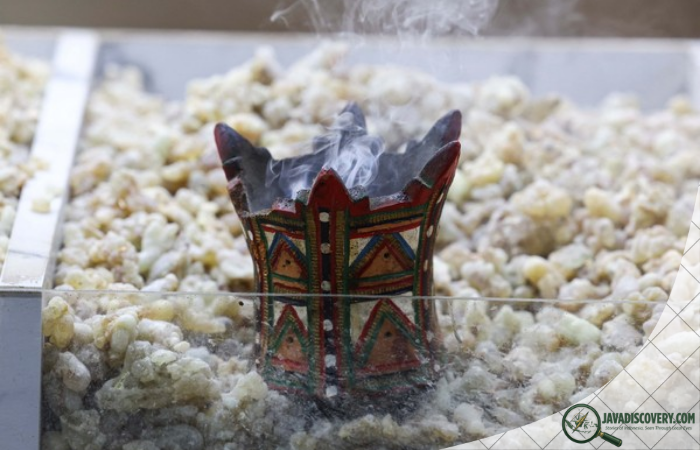
The scent profile of the pasren is as carefully constructed as its timber frame. Burning benzoin resin, or kemenyan, creates a light blue haze that rises toward the exposed ceiling beams. This fragrant smoke acts as a bridge between the physical wood of the house and the unseen world of ancestral spirits. To a visitor standing at the threshold of the krobongan, the combined aroma of damp rice straw, sweet jasmine, and resinous smoke creates an immediate, visceral sense of entering a space set apart from ordinary life.
The Agricultural Cycle and Domestic Ritual
The pasren does not sit idle throughout the year; its functions shift dynamically with the rhythm of the farming seasons. The most critical ritual occurs during the rice harvest, known as the wiwit ceremony. Before the first major field is cut, the family head selects the finest pair of rice stalks from the field. These stalks are harvested with a small, concealed hand blade called an ani ani to avoid startling the spirit of the plant. These two stalks, representing the bride and groom, are carried back to the house in a silent procession and placed directly onto the pasren altar.
This act of bringing the rice home, called mboyong punden, is a celebration of spiritual continuity. The newly harvested grain is introduced to the ancestral grain already resting on the altar, symbolically merging the past harvest with the promise of future abundance. The family gathers around the threshold of the krobongan to share a communal meal of yellow turmeric rice, chicken cooked in coconut milk, and fresh wild greens. A small portion of every dish is placed on banana leaves directly in front of the pasren before anyone eats.
During times of planting, seed stock is taken from the earthenware jars beneath the pasren and mixed with the new grain before being scattered into the mud of the wet paddy fields. In this way, every single crop that grows in the field carries a direct physical and spiritual connection to the altar inside the home. The domestic sanctuary and the muddy paddy field are not two separate worlds; they are two ends of a single, continuous loop of life.
Spatial Philosophy of the Traditional Javanese House
To fully appreciate why the pasren holds such power, one must look at how space is divided inside a Javanese family compound. The house is divided into three distinct zones: the outer public realm, the middle family realm, and the inner sacred realm. The pasren occupies the absolute center of the inner realm. On either side of the krobongan are two side rooms: the senthong kiwa on the left, used for storing family heirlooms and farm tools, and the senthong tengen on the right, used as a bedroom for the head of the family or for storing valuable textiles.
This layout places the altar directly between the physical work of farming on the left and the human continuation of the family line on the right. It acts as the central balancing point of the entire household structure. In classic Javanese architecture, the floor of the krobongan is often raised slightly higher than the surrounding rooms, requiring anyone who approaches it to physically step up while keeping their head bowed under the low wooden doorframe. This movement forces a natural posture of humility.
Even the wood chosen for this central structure carries deep significance. While the rest of the house might be constructed from jackfruit wood or bamboo, the frame surrounding the pasren is almost exclusively fashioned from teak wood harvested from mature trees. Teak is praised for its durability, warm golden color, and resistance to decay, qualities that mirror the eternal nature of the land and the divine blessing of agricultural fertility.
Preserving the Sacred Center in Modern Java
As modern construction materials like concrete and corrugated steel replace traditional timber frame Joglo houses across Java, the physical footprint of the pasren is changing. In many contemporary farming villages, space constraints and modern home layouts mean that dedicated krobongan rooms are becoming rare. However, the spiritual impulse behind the altar has proven surprisingly resilient. In many rural homes, a simplified version of the pasren survives as a dedicated wooden shelf or carved cabinet mounted high on an inner wall, adorned with rice stalks, fresh flowers, and a small brass lamp.
In modern agricultural communities, the preservation of these traditional domestic shrines has taken on new meaning. Beyond its spiritual role, the pasren stands as a physical symbol of sustainable farming practices and deep ecological respect. In an era dominated by chemical fertilizers and industrialized farming, the quiet presence of the rice shrine reminds local farming families of an older philosophy that viewed the soil not as a factory, but as a living system that requires care, respect, and gratitude.
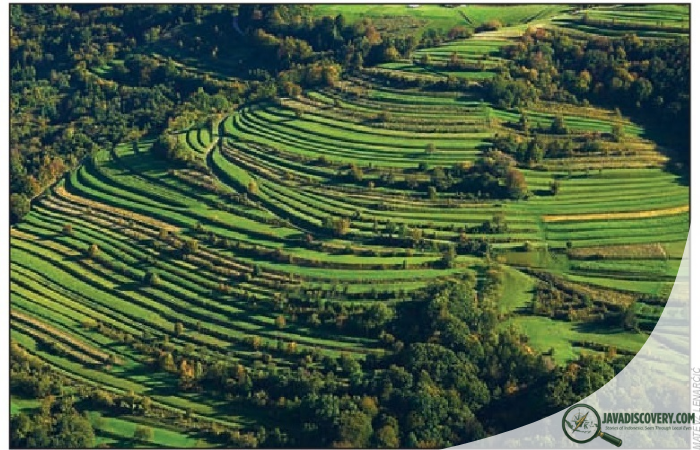
Walking out of the cool interior of the Joglo house into the bright sunlight of the courtyard, the visual impact of the shrine lingers. Outside, the green rice terraces stretch toward the horizon, shimmering under the tropical heat. Inside, tucked away in the shadows of the wooden beams, the twin rice figures sit side by side on their bed of batik, watching over the grain in quiet, eternal patience. The pasren remains what it has always been: the unseen heart of the Javanese home, keeping watch over the thin line that connects human hands to the living earth.