The Cultural History of Teak in Central Java


javadiscovery.com – At the edge of a teak forest in Blora, morning light filters through tall, straight trunks that seem to rise endlessly toward the sky. The ground is dry and rust-colored, scattered with broad fallen leaves that crunch softly underfoot. The air carries a faint woody scent, warm and earthy. For centuries, these forests have shaped the landscape, economy, and identity of Central Java.
Teak is more than timber here. It is heritage, power, craftsmanship, and memory.
Teak and the Kingdoms of Java
Long before modern forestry systems were introduced, teak forests covered large areas of northern Central Java, particularly in regions like Blora, Cepu, and Rembang. Ancient Javanese kingdoms recognized the value of teak wood for its strength, durability, and resistance to termites. Its dense grain made it ideal for constructing palaces, pavilions, and sacred structures.
In traditional Javanese architecture, especially the joglo house, teak beams formed the structural core. The four central pillars, known as soko guru, were often carved from solid teak trunks. These pillars did not merely support roofs; they symbolized stability and harmony within the household.
Teak thus became intertwined with social status. Owning a house built from high-quality teak signaled wealth and prestige. Even today, reclaimed teak beams from old homes are highly valued for their history and strength.
Colonial Control and Forest Regulation
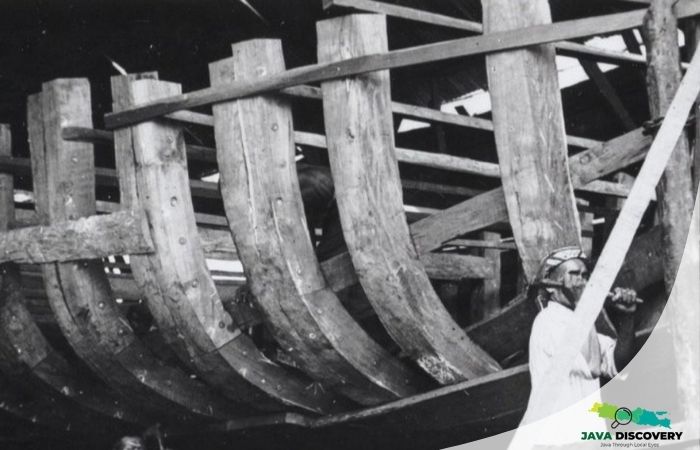
The arrival of the Dutch East India Company and later colonial administration transformed teak from a cultural resource into a strategic commodity. Central Java’s teak forests became crucial for shipbuilding and railway construction. The durability of teak made it ideal for maritime vessels navigating tropical waters.
Under colonial rule, forest management systems were formalized and tightly controlled. Local communities who had long relied on forest resources for fuel, grazing, and small-scale timber use found access increasingly restricted. Teak forests were mapped, categorized, and guarded.
This era marked the beginning of structured forestry management in Java, laying the groundwork for modern state-run forestry institutions. While these systems aimed to ensure sustainable yield, they also altered traditional relationships between villagers and forests.
Blora and the Identity of Teak
In Central Java, few places are as closely associated with teak as Blora. The region’s dry climate and limestone-rich soils create favorable conditions for teak growth. For generations, families in Blora have depended on forest-related livelihoods, from logging and carpentry to resin collection and seedling cultivation.
Pak Wardi, a carpenter in a small village near Cepu, runs his hand across a polished teak tabletop in his workshop.
“Teak is patient wood,” he says. “It moves slowly as it dries. If you rush it, it cracks. If you respect it, it lasts longer than you.”
His tools are simple—chisels, planes, and sandpaper—but the results are intricate. Doors, cabinets, and carved panels emerge from raw planks, each bearing the distinctive golden-brown hue that deepens with age.
Teak in Javanese Craftsmanship
Central Java’s reputation for fine wood carving owes much to teak. In Jepara, although geographically closer to the coast, artisans have long sourced teak from inland forests. Carved furniture from this region is exported globally, admired for its durability and ornate detailing.
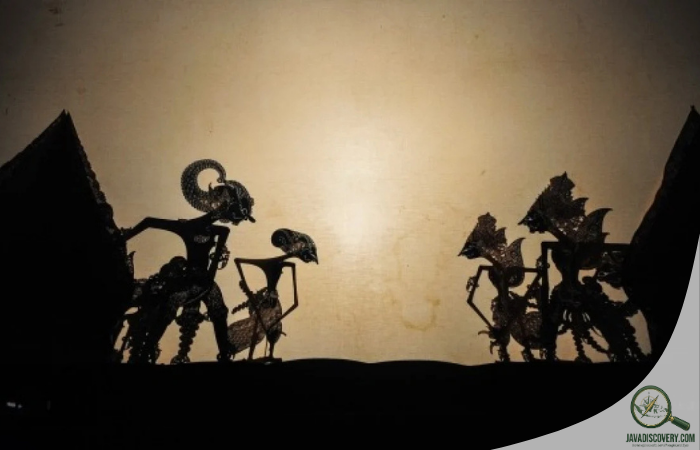
Teak’s tight grain allows for precise carving, making it suitable for floral motifs, wayang figures, and geometric patterns inspired by Islamic and Hindu-Buddhist art traditions. The wood’s natural oils provide resistance to decay, enabling furniture to endure humid tropical conditions.
Beyond furniture, teak plays a role in traditional musical instruments, including parts of the gamelan ensemble. Though bronze dominates gamelan construction, wooden frames and supports often rely on sturdy teak.
Community and Forest Stewardship
In modern Central Java, teak forests are largely managed by state forestry companies, but community forestry programs have expanded in recent decades. These initiatives allow local villagers to cultivate crops between young teak trees during early growth stages, providing income while maintaining forest cover.
Such programs aim to balance conservation with economic need. Farmers plant corn, peanuts, or cassava in the spaces between saplings, carefully avoiding damage to young trees. As the teak canopy closes over time, agricultural activity gradually decreases, and the forest matures.
“We see the forest as something we borrow from our grandchildren,” says Ibu Lestari, a participant in a community forestry group in Rembang. “If we cut everything now, what will they have?”
Teak and Environmental Debate
While teak forestry provides economic stability, it has also sparked environmental discussion. Monoculture plantations, especially when replacing natural mixed forests, can reduce biodiversity. Critics argue that uniform teak stands do not replicate the ecological complexity of native forests.
In response, some forestry managers have begun integrating mixed-species planting and conservation zones within teak landscapes. Efforts to maintain wildlife corridors and protect water sources reflect a growing awareness of environmental sustainability.
The challenge lies in preserving teak’s economic value while enhancing ecological resilience.
Symbol of Endurance
Teak’s cultural symbolism extends beyond construction and commerce. In Javanese philosophy, strength combined with flexibility is admired. Teak embodies this balance: hard and durable, yet capable of adapting to shifting climates over decades of growth.
Old teak trees can stand for more than half a century before reaching maturity suitable for harvest. This long cycle fosters a mindset of patience. Planting teak is an act that often benefits future generations rather than immediate profit.
In village ceremonies marking the construction of a new house, prayers may accompany the raising of teak beams. The wood becomes part of family narratives, witnessing births, weddings, and daily life beneath its sturdy frame.
Teak in Contemporary Central Java
Today, teak remains central to Central Java’s rural economy. Workshops hum in towns like Blora and Cepu, producing furniture for domestic and international markets. Meanwhile, policymakers debate how to modernize forestry practices without eroding cultural heritage.
Global demand for sustainable timber has introduced certification systems and traceability standards. For local producers, adapting to these requirements can open new markets but also requires additional knowledge and resources.
Despite these changes, the image of tall teak forests under a dry-season sky continues to define much of northern Central Java’s landscape.
A Living Legacy
As the sun sets over the teak hills, long shadows stretch between straight trunks, and cicadas begin their evening chorus. The forest feels both ancient and alive. Each tree represents decades of slow growth, shaped by soil, climate, and human management.
The cultural history of teak in Central Java is a story of transformation—from royal architecture to colonial industry, from restricted forests to community stewardship. Through each era, teak has remained a constant presence, linking past and present.
In its grain are the marks of time. In its beams, the memory of homes. And in its forests, the enduring relationship between people and land in the heart of Java.