Majapahit Terracotta Figurines Daily Life Candi Posture Architecture

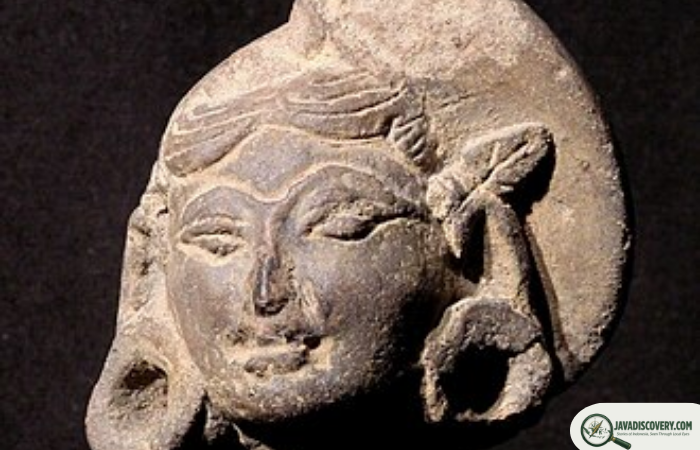
javadiscovery.com – While imperial stone inscriptions (*prasasti*) and monumental brick temples like Candi Bajang Ratu or Candi Brahu commemorate the high politics, divine lineages, and sacred cosmology of the 14th-century Majapahit Empire, a far more intimate historical record lies buried in the alluvial clay of the Brantas River valley. Scattered across the urban footprint of Trowulan are tens of thousands of terracotta figurines—delicately modeled by hand or pressed from two-piece clay molds. Among these ceramic artifacts, art historians and archaeologists have identified a distinct, recurring aesthetic convention known as the “Candi posture”: a stylized, balanced seated or crouching stance that mirrors the architectural symmetry and sacred proportions of Javanese temple structures (*candi*). Yet, rather than depicting distant deities, these clay figurines capture ordinary citizens in candid moments of domestic, urban, and spiritual life.
Through the humble medium of fired clay, Majapahit’s anonymous artisans left behind a vivid, three-dimensional encyclopedia of pre-colonial Javanese society, domestic fashion, and everyday human emotion.
Understanding the “Candi Posture” in Fired Clay
The term “Candi posture” describes a structural and symbolic alignment observed across Majapahit terracotta sculpture. In classical Javanese temple architecture, a *candi* is divided into three distinct vertical zones representing the cosmos: the base or foot (*bhurloka*, the earthly realm), the body (*bhurvarloka*, the human/astral realm), and the roof (*svarloka*, the divine realm).
Majapahit ceramic master craftsmen applied this exact cosmological tripartition to human figurines:
- The Earthy Base: The lower body is firmly anchored in a relaxed cross-legged (*saddhaparyanka*) or kneeling posture, creating a stable triangular base reminiscent of a temple’s stone plinth.
- The Upright Torso: The spine is held erect, aligned along a strict vertical axis that conveys poise, inner dignity, and physical grace—a posture reflected in traditional Javanese etiquette (*unggah-ungguh*) and courtly dance.
- The Sacred Headpiece: The head is crowned with elaborate hairstyles, turbans, or headdresses that mimic the tiered rooflines (*mustaka* or *ratna*) of Javanese shrines.
By framing ordinary subjects within this sacred aesthetic posture, Majapahit society expressed a deeply held worldview: that everyday human life and domestic routines were imbued with divine order and cosmic harmony.
Unveiling Everyday Domestic Life and Social Class
Unlike formal stone statues of gods and monarchs, terracotta figurines were inexpensive and accessible to citizens across all social strata. As a result, they offer an unfiltered, remarkably egalitarian look at 14th-century Javanese society:
- Hairstyles and Fashion: Figurines reveal an astonishing variety of hairstyles—from high, coiled topknots (*sanggul*) secured with terracotta pins to loose, shoulder-length curls. Women are depicted wearing wrapped batik-patterned waist cloths (*kain*), while men wear tight shoulder sashes, bracelets, and ceremonial daggers (*keris*) tucked into their waistbands.
- Motherhood and Family Dynamics: Numerous clay figurines depict tender domestic scenes—mothers nursing infants, grandmothers cradling children, and couples seated side-by-side in intimate conversation, providing rare physical proof of domestic affection and the high social standing of women in medieval Java.
- Occupational Diversity: Artisans modeled the full spectrum of urban society: market vendors crouching beside woven baskets, itinerant street musicians playing stringed instruments (*rebab*), wrestlers, foreign merchants with distinct noses and turbans, and domestic servants attending to household chores.
Terracotta Architecture: Miniatures of the Vanished City
Because the residential quarters, royal pavilions, and market stalls of Trowulan were constructed from perishable organic materials like teak timber, bamboo, and thatched palm leaves (*ijuk*), almost no above-ground domestic architecture survived the centuries. Terracotta figurines and architectural models fill this historical void:
- Miniature Houses and Money Boxes: Clay piggy banks (*celengan*)—a iconic Majapahit creation—and miniature house models depict wooden pavilions (*pendopo*) set upon raised brick foundations with carved pillars and steeply pitched hip roofs, revealing the precise design of medieval Javanese homes.
- Domestic Altars: Miniature terracotta shrines were placed in household gardens or private rooms, allowing families to make daily offerings of flowers, rice, and incense to ancestral spirits (*Hyang*) without traveling to major imperial temples.
The Piggy Bank Revolution and Market Economy
The abundance of terracotta money boxes in the shape of plump wild boars (*celeng*, from which the modern Indonesian word *celengan* derives) and human figures underscores another critical aspect of Majapahit daily life: the rise of a thriving monetized economy.
Following the widespread adoption of imported Chinese copper cash coins (*gobog*) as official currency during the 13th and 14th centuries, ordinary Javanese citizens engaged in daily cash transactions. The terracotta piggy bank became a ubiquitous household item—a domestic vault that was deliberately smashed open once full, leaving behind thousands of ceramic fragments for modern archaeologists to uncover.
Legacy: The Living Memory of Trowulan Clay
Today, the collection of Majapahit terracottas housed at the Trowulan Museum and cultural institutions worldwide serves as an invaluable bridge to Java’s past. Through these small, expressive clay figures, the distant medieval world of Majapahit ceases to be a abstract realm of legendary kings and epic wars.
Instead, we meet the real people of 14th-century Java—poised in their timeless Candi postures, smiling through the red clay, and inviting us to glimpse the warmth, beauty, and vibrant humanity of their everyday domestic world.