Natural Dye Alchemists Jarum Village Plant Indigo Tree Bark

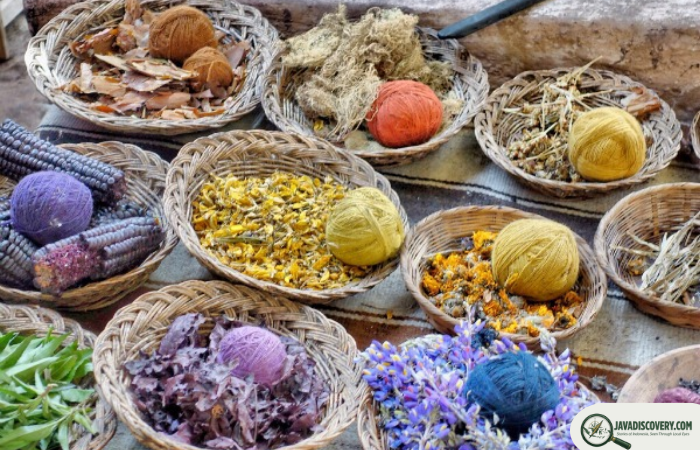
javadiscovery.com – A rich, earthy aroma of fermented leaves, wood ash, and simmering tree bark drifts through the quiet morning air of Jarum Village in Bayat District, Klaten Regency, Central Java. Nestled beneath the southern limestone hills near the border of Yogyakarta, this modest farming hamlet has transformed into a vibrant sanctuary for eco-conscious textile craft. Here, along shaded brick pathways and open garden courtyards, large earthen vats hold deep, bubbling vats of dark blue liquid, while wooden racks display skeins of cotton yarn and hand-drawn batik cloth drying in the soft sunlight. Known across Java as the pioneering heartland of sustainable textile revival, Jarum’s natural dye alchemists have turned their backs on synthetic chemical dyes. Instead, they look to ancestral botanical knowledge, harvesting native leaves, roots, and barks to produce brilliant, eco-friendly shades of indigo, warm terracotta brown, and radiant ochre.
The Ecological Renaissance: Turning Away from Synthetic Dyes
For over a century following the Industrial Revolution, the widespread introduction of low-cost synthetic chemical dyes—such as naphthol, azo compounds, and reactive aniline salts—dominated Java’s massive batik industry. While chemical dyes offered rapid processing times and vibrant color consistency, they carried severe environmental and health consequences for local communities:
- Toxic Wastewater Runoff: Heavy metals and synthetic chemical effluents discharged untreated into village streams polluted groundwater, destroyed freshwater fish habitats, and ruined surrounding agricultural soil fertility.
- Health Risks for Artisans: Prolonged skin contact and inhalation of toxic chemical fumes caused respiratory illnesses and skin irritations among village batik painters and dyers.
- The Green Shift in Jarum: Recognizing the environmental destruction surrounding traditional textile hubs, the community of Jarum made a collective decision to transition back to 100% plant-based, organic dye production, turning their village into a model zero-waste eco-craft village (*Desa Wisata Batik Alam*).
The Botanical Palette: Harvesting Java’s Native Colorants
The natural dye process in Jarum Village relies on an intimate understanding of local plant chemistry and seasonal foraging. The master dyers utilize various native plants grown directly in home gardens or harvested sustainably from surrounding hillsides:
- Nila / Indigo (*Indigofera tinctoria*): The undisputed queen of natural dyes. The green leaves of the *Indigofera* shrub undergo a meticulous anaerobic fermentation process in lime-water baths to extract indican, creating a rich indigo paste (*tom*) that yields hypnotic shades of deep blue.
- Soga Tinggi (*Ceriops tagal*): The thick, tannin-rich bark of mangrove trees and coastal hardwoods yields warm, deep mahogany and reddish-brown tones characteristic of classical Mataram court batik.
- Mahoni (*Swietenia mahagoni*): The bark and sawdust of mahogany trees produce soft terracotta, tan, and warm pinkish-brown hues, prized for background tones in modern organic batik designs.
- Jolawe (*Terminalia bellirica*): The dried fruit rinds of the *Jolawe* tree supply natural yellow-green pigments and serve as a powerful natural mordant due to their high tannic acid content.
The Alchemy of the Dye Vat: Fermentation and Mordanting
Unlike synthetic dyes that simply coat thread fibers on contact, natural plant dyeing is a slow, living chemical process that requires patience, precise temperature control, and organic chemistry mastery:
- Vat Fermentation (*Nglorot & Ngasom*): Indigo is insoluble in water in its natural state. To activate the dye, artisans combine indigo paste with natural reducing agents—such as fermented palm sugar (*gula jawa*), banana skins, or cassava starch—inside sealed clay pots. The reduction reaction turns the liquid a pale yellow-green color, signaling that the dye is active and ready for dipping.
- Dipping and Oxidation Magic: Fabric is submerged repeatedly in the dye vat. When pulled out into the fresh air, a miraculous transformation occurs: oxygen in the atmosphere reacts instantly with the reduced indigo on the cotton fibers, turning the pale yellow fabric into a vivid, permanent sky-blue before darkening to deep navy.
- Mordanting and Color Fixation (*Muntir & Fiksasi*): To make tree bark colors light-fast and wash-fast, fabrics are treated with natural mineral fixatives (*mordants*). Fixing with alum (*tawas*) yields bright, clear natural shades; iron-rich mud or ferrous sulfate (*tunjung*) darkens browns into deep charcoal or black; while lime water (*kapur sirih*) shifts tones toward vibrant warm reddish-browns.
Sustaining Communities and the Environment
Jarum’s commitment to natural dyeing extends far beyond traditional craft preservation; it forms the backbone of a resilient local green economy:
- Zero-Waste Cycle: All plant waste, spent indigo leaves, and boiled bark residues from the dye vats are collected and processed into organic compost for village gardens, completing a closed-loop ecological cycle.
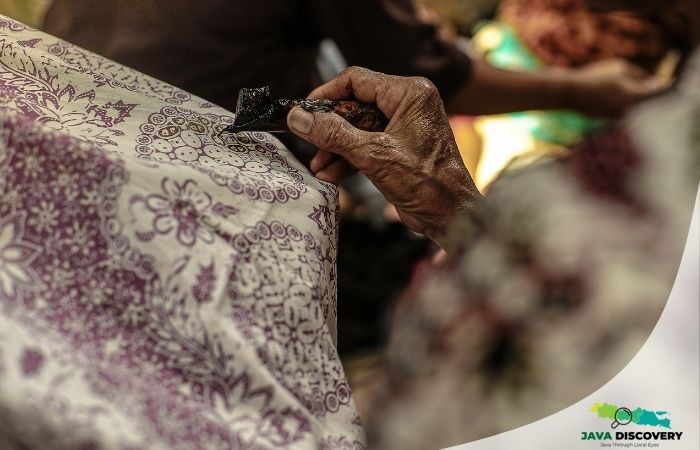
- Empowering Women Artisans: Natural dye cooperatives in Jarum provide sustainable, home-based livelihoods for local women batik artists (*pengrajin wanita*), who design, wax (*nyanting*), and dye eco-friendly fabrics sought after by sustainable fashion houses worldwide.
- Preserving Classical Batik Patterns: The subtle, earthy tones produced by natural plant dyes perfectly complement classical Javanese batik motifs—such as *Parang*, *Kawung*, and *Semen Rama*—restoring the soft, harmonious aesthetic intended by ancient court artists.
A Living Green Legacy for Java’s Textiles
The natural dye alchemists of Jarum Village prove that environmental restoration and traditional craft can walk hand in hand. By honoring the wisdom of the earth and the chemistry of native plants, they ensure that Java’s rich textile heritage remains beautiful, sustainable, and alive for generations to come.