River Keepers of Brantas Restoring East Java Longest Waterway

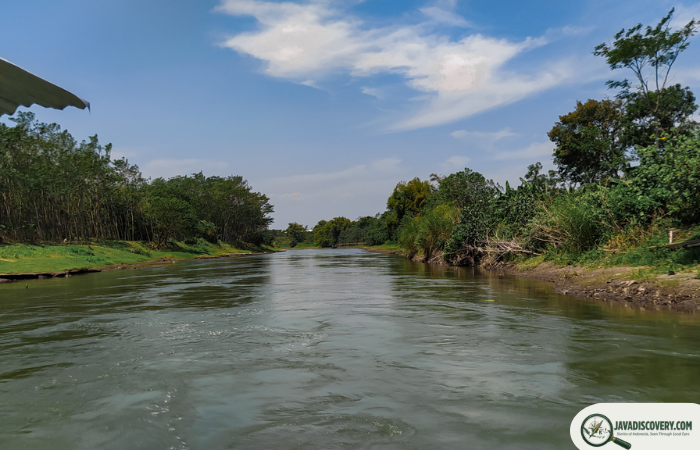
javadiscovery.com – Morning light cuts through the cool mountain mist hanging over the high slopes of Mount Arjuno, where cold water bubbles up from a volcanic spring at Anasmukti in Batu. This clear spring marks the birth of the Brantas River, a vital aquatic artery that winds through a looping 320-kilometer horseshoe curve across East Java before emptying into the Bali Strait and the Madura Strait. For centuries, the Brantas served as the economic and agricultural backbone of ancient Javanese civilizations, feeding the vast rice paddies of the Majapahit Empire and powering regional trade. Today, however, as it flows through dense urban centers like Malang, Kediri, Blitar, Mojokerto, and Surabaya, East Java’s longest river faces intense pressure from industrial discharge, agricultural runoff, and plastic pollution. In response to this ecological crisis, a dedicated movement of local community activists, traditional fishermen, and youth volunteers—known collectively as the river keepers of Brantas—has emerged along its banks to fight for the restoration of their ancestral waterway.
An Empire’s Lifeblood: The Historical Gravity of the Brantas
The story of the Brantas River is inextricably linked with the rise of urban civilization in East Java. The river basin covers over 11,000 square kilometers, draining nearly a quarter of the province’s total land area. Its nutrient-rich volcanic silt created some of the most productive agricultural soils in Southeast Asia, providing the material foundation for classical Javanese kingdoms:
- Engine of the Majapahit Kingdom: During the 13th to 15th centuries, the Majapahit Empire harnessed the Brantas for extensive canal irrigation and inland river transport, linking capital city complexes at Trowulan with coastal trading ports.
- Volcanic Silt and Agricultural Wealth: Eruptions from surrounding active volcanoes—including Mount Kelud, Mount Semeru, and Mount Arjuno—regularly deposited mineral-rich tephra into the river network, naturally replenishing farmland along its lower basin.
- Modern Lifeline: Today, the Brantas basin remains critical to regional survival, supplying raw drinking water to over fourteen million residents, generating hydroelectric power through major dams like Karangkates, and irrigating hundreds of thousands of hectares of sugarcane and paddy fields.
The Burden of Progress: Industrialization and Plastic Pollution
Over the past four decades, rapid urbanization and industrial growth transformed the Brantas into one of the most stressed river systems in Indonesia. As hundreds of factories, paper mills, and domestic settlements grew along its banks, the water quality plummeted:
- Microplastic and Industrial Loading: Massive volumes of untreated industrial effluent and single-use plastics entered the main river channels, creating dense microplastic concentrations that threatened aquatic food webs and municipal water intakes in downstream Surabaya.
- Eutrophication and Oxygen Depletion: High levels of organic waste reduced dissolved oxygen in critical middle-reach stretches, triggering seasonal fish kills and driving native freshwater species toward localized extinction.
- Loss of Riparian Buffers: Encroachment onto riverbanks stripped away natural bamboo groves and wetland vegetation that historically filtered runoff and stabilized soil against severe erosion.
Grassroots Resilience: Community Initiatives on the Front Lines
Faced with a deteriorating river environment, grassroots organizations, university researchers, and local village collectives took action. Rather than waiting solely for top-down enforcement, the river keepers built a decentralized network of active stewardship along the entire length of the Brantas:
- River Monitoring and Citizen Science: Community groups equipped with water testing kits conduct regular water quality audits, monitoring pH levels, heavy metals, and microplastic counts. By making environmental data public, citizen scientists hold polluters accountable and pressure local authorities to enforce wastewater regulations.
- Kanal Bersih and Manual Trash Extraction: In towns along the river, local youth organizations organize weekly clean-up drives (*Kanal Bersih*), deploying boats and wading teams to manually remove tons of trapped plastic waste and floating debris from river bends and sluice gates.
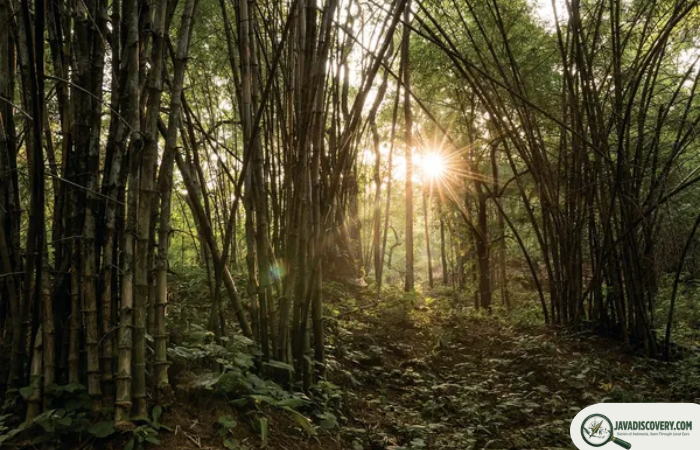
- Restoring Riparian Bamboo Belts: To combat bank erosion and naturalize degraded shorelines, volunteers plant native bamboo species (*Bambusa vulgaris*) along river margins. Bamboo root systems bind the soil, absorb excess nitrates, and restore shade canopy for aquatic life.
Fish Sanctuaries and the Rebirth of Native Species
A crucial success story along the Brantas is the establishment of community-managed fish sanctuaries (*Suaka Ikan*). Traditional fishing communities along middle-reach sections in Mojokerto and Jombang designated protected zones where fishing is strictly prohibited during spawning seasons:
- Protecting Native Species: These zero-catch sanctuaries allow populations of threatened native river fish—such as the *Jawa* carp (*Puntius orphoides*), the giant river catfish (*Hemibagrus nemurus* or *Rengkik*), and the Javanese mahseer (*Labeobarbus tambra*)—to recover away from industrial pollution spikes.
- Community Enforcement: Local fishermen patrol these sanctuaries day and night, guarding against illegal electric fishing (*setrum*) and chemical poisoning, ensuring sustainable yields in surrounding open fishing zones.
Sustaining the Legacy of East Java’s Master Waterway
The ongoing restoration of the Brantas River demonstrates the power of community-led ecological action. By combining scientific monitoring, traditional river management wisdom, and passionate local advocacy, the river keepers of Brantas are transforming a polluted waterway back into a thriving, living ecosystem.
Their work proves that safeguarding Java’s natural treasures requires continuous vigilance—ensuring that the historic river that nourished ancient empires continues to support future generations with clean, life-giving water.