Sacred Springs of Mount Sumbing Water Rituals Highland Devotion

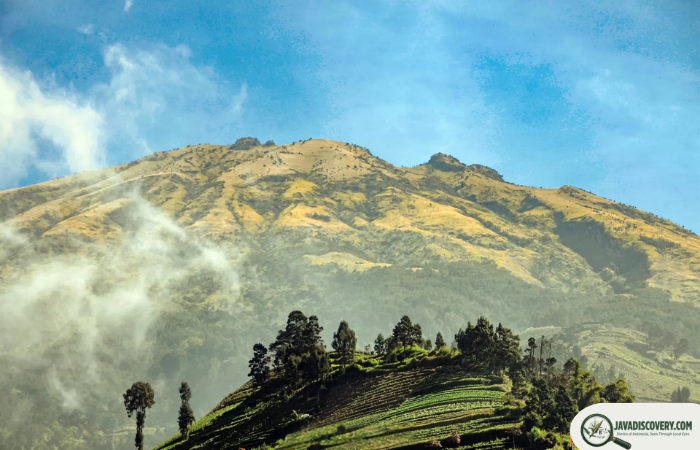
javadiscovery.com – Towering gracefully over the misty highlands of Temanggung, Magelang, and Wonosobo in Central Java, Mount Sumbing (3,371 meters) forms a majestic twin volcanic massif alongside neighboring Mount Sindoro. Revered since antiquity as a sacred cosmic axis, the fertile slopes of Sumbing are carpeted with emerald tobacco terraces, vegetable gardens, and ancient highland hamlets. Yet, what sustains both life and faith across these high-altitude settlements is not merely the volcanic soil, but a hidden network of sacred mountain springs (*tuk* or *umbul*) emerging from deep limestone fissures and volcanic aquifers. For centuries, the mountain farming communities of Sumbing have practiced an intricate synthesis of ancient Javanese animism (*Kejawen*), Hindu-Buddhist water veneration, and Islamic devotion, centered entirely on the ritual preservation and spiritual honor of these highland water sources.
Exploring the sacred springs of Mount Sumbing unveils an extraordinary world where hydrological stewardship, ancestral lore, and agricultural ritual intersect at the roof of Java.
Hydrological Sacredness: The Lifeblood of the Highlands
Perched high on steep volcanic slopes where surface streams are scarce, highland farmers depend completely on subterranean springs that bubble up at specific elevation bands around Mount Sumbing. These springs are treated not as neutral natural resources, but as living spiritual entities and divine gifts (*berkah*):
- Tuk Sewu and Sacred Aquifers: Famous water sources like Tuk Sewu (The Thousand Springs), Tuk Budoyo, and Tuk Tempuran are recognized as natural sanctuaries. According to local belief, these springs are guarded by ancestral protector spirits (*danyang*) who demand absolute purity, respect, and environmental cleanliness from the human communities living downstream.
- Volcanic Filtration and Purity: Rainwater falling on Sumbing’s upper cloud forests filters down through layers of volcanic ash, basalt, and porous rock over decades, emerging at mountain springs perfectly crystal-clear, mineral-rich, and ice-cold—ideal for domestic use and high-value highland crop irrigation.
Ritus Merti Dusun: The Sacred Water Cleanse
Throughout the agricultural calendar—particularly preceding the planting and harvesting of Temanggung’s world-renowned “Srintil” tobacco and highland vegetables—villages across the flanks of Sumbing perform elaborate communal water rituals known as Merti Dusun or Jamasan Tuk:
- Jamasan Tuk (Spring Cleansing): Led by village elders (*sesepuh*) and spiritual guardians, villagers hike up steep mountain trails to the springheads carrying woven bamboo baskets filled with ceremonial offerings (*sesaji*), including yellow rice, fragrant flowers (*kembang setaman*), incense, and traditional snacks.
- Prayers and Sacred Water Carrying: At the springhead, Islamic prayers (*doa bersama* and *tahlilan*) are recited alongside ancient Javanese invocations, giving thanks to the Almighty and asking for abundant water flow, pest-free crops, and protection from landslides. Pure spring water is then collected in traditional terracotta vessels (*kendhi*) or bamboo tubes (*bumbung*) to be carried back to bless village homes and crop fields.
- Pala Burung and Taboo (*Pali-Pali*): Strict customary rules govern the springs. Cutting trees within the sacred spring radius, polluting the water, or using harsh speech nearby is strictly forbidden (*pamali*), ensuring the natural forest canopy surrounding the springhead remains permanently protected from deforestation.
High-Altitude Devotion: The Cultural Link to Tobacco Culture
The spiritual veneration of Sumbing’s springs is intimately bound to Temanggung’s legendary tobacco culture. High-grade sun-cured tobacco requires precise hydrological balance—sufficient moisture during early growth, followed by dry, sunny days during maturation:
- Blessing the Seedlings (*Wiwit Tobacco*): Before planting tobacco seedlings (*bedengan*), farmers sprinkle sacred spring water over the soil while offering prayers. This ritual, called *Wiwit*, seeks blessing for the crop’s color, aroma, and commercial value, tying market prosperity directly to ancestral water purity.
- Communal Water Sharing (*Gotong Royong Water*): During dry spells, water distribution from highland springs is governed by strict communal rotation systems overseen by local water managers (*Ulu-Ulu*), preventing disputes and reinforcing social harmony across ridge communities.
Preserving the Highland Heritage in a Changing Climate
In the modern era, as climate change alters seasonal rainfall patterns and agricultural land pressure expands up the slopes, the sacred springs of Mount Sumbing face unprecedented ecological pressure. However, the deep-seated spiritual traditions of the local communities have proven to be their greatest conservation tool.
By framing environmental protection around sacred ritual, ancestral honor, and spiritual gratitude, the highland villagers of Mount Sumbing continue to safeguard their water sources. The sacred springs remain timeless sanctuaries where the mountain, the water, and human devotion unite to nourish the heartland of Java.