Shadow Puppet Carvers Sukoharjo Leatherwork Wayang Kulit

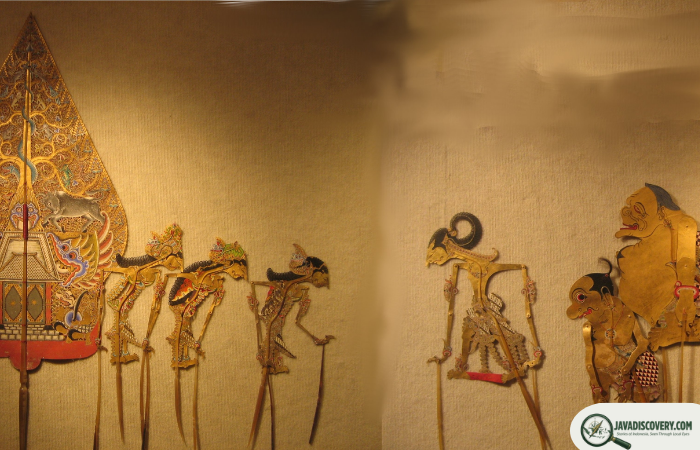
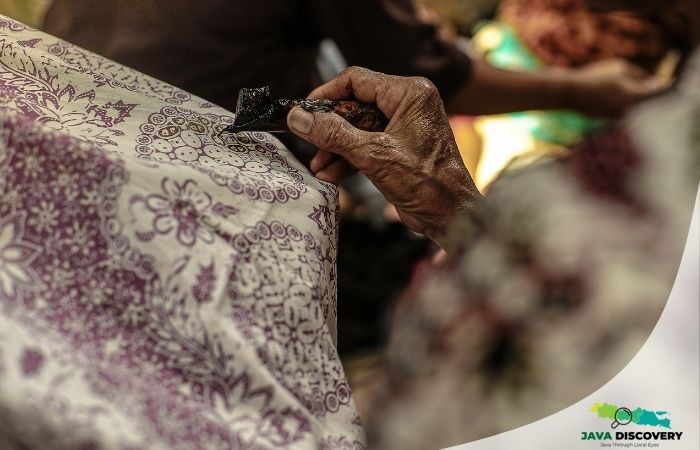
javadiscovery.com – A delicate, rhythmic tapping echoes through the quiet village courtyards of Manyaran and Kepuh in Sukoharjo Regency, Central Java. High above the agricultural plains south of Surakarta, master shadow puppet carvers (*pengrajin wayang*) sit cross-legged on woven pandanus mats, bent intently over stretched sheets of translucent parchment leather. Guided by an steady hand, a small iron mallet (*tatah*) strikes tiny steel chisels, punching thousands of paper-thin perforations into the hide. In Sukoharjo, known for generations as the undisputed spiritual heartland of traditional *Wayang Kulit* puppet making, the ancient art of leather carving is far more than mere decorative craft. It is a sacred, highly disciplined ritual where physical endurance, deep Javanese iconography, and uncompromising precision transform raw water buffalo hide into living mythological characters that bring ancient epics to life behind the illuminated screen.
The Sacramental Canvas: Preparing Buffalo Hide
The journey of a master shadow puppet begins long before a single line is drawn or carved. The physical foundation of a high-grade *Wayang Kulit* puppet requires specialized parchment leather (*belulang*) crafted exclusively from water buffalo hide (*kerbau*). Unlike cow hide, which is soft and spongy, buffalo hide possesses long, dense collagen fibers that dry into a rigid, highly durable, and translucent material capable of holding delicate filigree carving without warping or tearing under the heat of traditional oil lamps (*blencong*):
- Curing and Scraping (*Pengerokan*): Fresh hides are stretched tightly onto rectangular wooden frames using thick hemp ropes and left to dry in the open sun for days. Once rigid, master tanners use curved steel blades (*Pengerok*) to painstakingly scrape away hair, fat, and flesh layer by layer until the hide achieves a uniform thickness of just one to two millimeters.
- Degreasing and Polishing: The scraped hide is soaked in natural mineral baths and rubbed repeatedly with pumice stones and wild spinach leaves to remove natural oils. The result is a smooth, ivory-colored parchment that absorbs traditional mineral paints while allowing light to shine through translucent carved openings.
The Precision of Tatahan: Chiseling the Sacred Outlines
Once the leather parchment is prepared, the master carver transfers ancestral character outlines (*tatapan*) using fine charcoal sticks or bone styluses. Every *Wayang* character—from the noble, refined Prince Arjuna with his downward-tilted gaze to the terrifying, wide-eyed ogre Rahwana—follows strict iconographic proportions (*pakem*) established during the Mataram Sultanate:
- The Toolkit (*Tatah*): A master carver utilizes a specialized set of over thirty distinct hand-forged steel chisels. These include crescent-shaped chisels (*tatah penguku*) for curved lines and eyelids, straight chisels (*tatah penatah*) for sharp edges, and tiny circular punches (*tatah drembel*) for delicate lace patterns.
- Carving the Lace (*Tatahan Intrik*): Holding the chisel perfectly vertical, the artisan taps the wooden mallet with precise, controlled force. Intricate filigree patterns—such as *mas-masan* (gold lace motifs), *bubukan* (powder dots), and *srampat* (interlocking floral vines)—are punched into the puppet’s garments, crown, and jewelry. A single high-grade puppet can take over three months of daily carving, requiring tens of thousands of individual chisel strikes.
Sunggingan: Infusing Soul Through Color
After the laborious carving process (*tatahan*) is complete, the leather puppet moves to the painting stage, known as *sunggingan*. In Sukoharjo’s workshops, painting is not merely decorative coloring; it is the process that bestows spiritual temperament (*wanda*) upon the puppet:
- Natural Pigments and Gold Leaf (*Prada*): Artisans blend natural pigments, bone glue binders, and fine minerals. High-grade puppets destined for master puppeteers (*dalang*) feature real gold leaf (*prada*) applied to crowns, bracelets, and royal sarongs, creating an iridescent shimmer when caught by firelight.
- Iconographic Color Codes: Facial colors strictly denote character temperaments. Black faces (*denta*) symbolize inner strength, composure, and nobility; gold or white faces indicate purity and spiritual refinement; while red faces (*abang*) reveal fiery rage, unchecked passion, or demonic nature.
Assembly and the Horn Handles: Cempurit
The final physical stage of puppet assembly involves attaching the central control rod and arm joints (*cempurit*). Crafted from polished water buffalo horn that is heated over charcoal, bent, and carved into smooth tapered rods, the *cempurit* supports the weight of the leather body while allowing the *dalang* to maneuver the puppet’s arms with fluid precision using fine thread ties (*benang gending*).
When completed, a Sukoharjo shadow puppet is a flawless synthesis of sculpture, painting, and mechanical engineering—built to withstand centuries of performance and passed down as treasured family heirlooms across generations.
Preserving an Ancestral Masterpiece
Today, the shadow puppet carvers of Sukoharjo face shifting modern economic landscapes, yet their dedication to uncompromising craftsmanship remains unshakeable. By preserving the exacting standards of *tatahan* and *sunggingan*, these master artisans ensure that the ancient epics of the *Mahabharata* and *Ramayana* continue to dance in shadow and light across Java’s cultural horizon.