Essential Etiquette When Visiting Javanese Temples

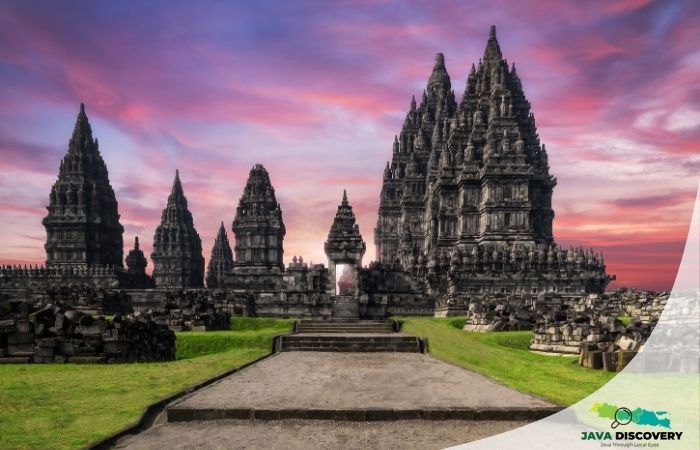
javadiscovery.com – The air is thick with incense and morning mist. Bells chime faintly in the distance as sunlight slips between ancient stones, revealing stories carved a thousand years ago. Visiting a Javanese temple is not just a journey through history—it is an encounter with the island’s living soul. Each step you take inside these sacred compounds carries echoes of prayer, devotion, and deep spiritual harmony known in Javanese philosophy as rasa.
Temples Beyond Stones
Across Java, temple complexes like Borobudur, Prambanan, and Sewu stand as timeless witnesses to the island’s spiritual fusion of Hindu, Buddhist, and indigenous beliefs. But beyond their breathtaking architecture lies something greater: a sense of reverence that still lingers. These temples are not museums—they are living sanctuaries, occasionally still used for worship, meditation, and ritual offerings. Understanding their sacred essence is the first step toward visiting with respect.
The Do’s – Honor the Spirit of the Place
1. Dress Modestly and Respectfully
Temples in Java uphold a long-standing tradition of modesty. Cover your shoulders and knees, and if you arrive in shorts, many temples provide a kain or sarong at the entrance. Removing hats and sunglasses inside the main compound shows humility toward the sacred space.

2. Follow Local Rituals and Rules
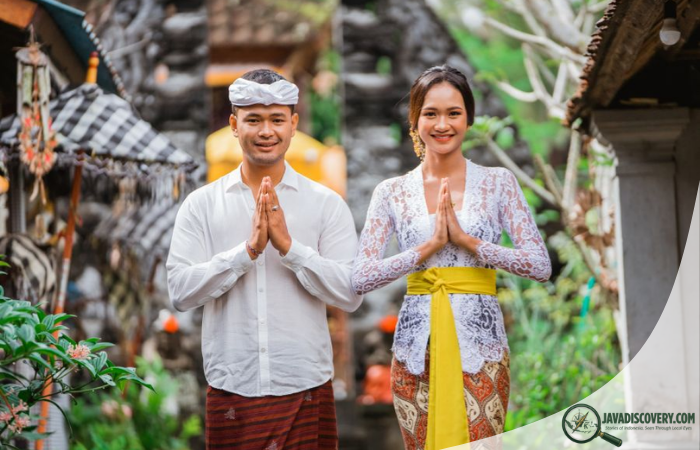
Before stepping into an inner sanctum, pause briefly—some visitors bow slightly or clasp their hands in respect. Never point your feet toward altars or statues; in Javanese culture, feet are considered impolite when directed at holy objects. Always walk clockwise when circling stupas or shrines, a gesture symbolizing harmony with the cosmic order.
3. Keep Voices Low and Attitude Calm
Temples are spaces of contemplation. Avoid loud conversations or laughter. The Javanese virtue of tepo seliro—awareness and empathy for others—guides this respectful silence. You are sharing the space with pilgrims and worshippers whose connection to the temple may be deeply personal.
4. Support Local Custodians
Behind every preserved temple is a community that guards its legacy. Purchase official tickets, hire local guides, and contribute to donation boxes. By doing so, you’re helping sustain both the heritage site and the livelihoods of those who protect it.
5. Capture the Beauty Mindfully
Photography is welcome in most temple areas, but avoid taking pictures of individuals praying or during private rituals. When framing your shots, remember that these places are sacred first and scenic second. A simple nod or smile before snapping can express courtesy and cultural sensitivity.
The Don’ts – What to Avoid in Sacred Spaces
1. Don’t Climb or Touch Sacred Structures
Every stone of a Javanese temple carries meaning. Climbing, sitting, or touching relief panels not only risks damaging fragile carvings but is also seen as a sign of disrespect. Treat them as living relics of devotion, not as playgrounds or props.
2. Avoid Public Displays of Affection
Expressions of affection like hugging or kissing are considered inappropriate within temple grounds. Modesty remains central to the Javanese ethos, where sacred places are meant for spiritual focus rather than personal display.
3. Don’t Litter or Eat Inside Temple Grounds
Cleanliness, or resik, is a symbol of purity in Javanese belief. Dispose of waste properly and refrain from eating within the sacred perimeter. Leave the temple as pristine as you found it, allowing its calm atmosphere to remain undisturbed.
4. Never Mock or Mimic Rituals
Chants, offerings, and incense are expressions of faith, not performances. Avoid imitating or interrupting rituals, even if they seem curious or unfamiliar. Observation is welcome—mockery is not.
5. Avoid Visiting During Restricted Ceremonies Without Permission
Some temples hold private or closed rituals for local devotees. Always ask politely if attendance is allowed. If not, wait outside or return at another time. Respecting boundaries maintains harmony between visitors and the local community.
Understanding the Deeper Meaning
Javanese temples are more than architectural wonders—they are bridges between human and divine realms. The carvings of celestial beings, lotus patterns, and reliefs of daily life depict an ancient philosophy where balance and nature coexist. To visit these temples respectfully is to acknowledge that spirit, to sense the quiet heartbeat of Java that continues to pulse beneath the stone.
Walking with Reverence
Every temple visit is a conversation with time. You walk where monks once meditated, where kings once prayed, where artisans poured their devotion into stone. Approach it with humility, curiosity, and care. In doing so, you don’t just see Java’s history—you feel its living soul.