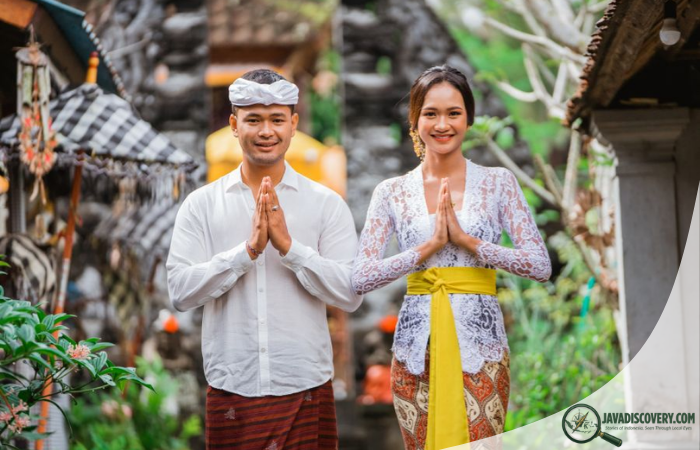
Journey Through Java by Train The Ultimate Travel Guide


javadiscovery.com – There’s no better way to feel the pulse of Java than from a train window. From mist-covered mountains to endless rice fields, from colonial cities to coastal towns — Java’s railway line is more than just a mode of transport; it’s a story in motion. For travelers who crave both comfort and authenticity, the island’s extensive train network offers a perfect way to explore Indonesia’s beating heart.
Why Train Travel Is the Best Way to Explore Java
Unlike a domestic flight that shows only clouds, a train journey through Java immerses you in landscapes that change every few minutes. The rhythmic clatter of the wheels echoes through emerald terraces, sleepy villages, and bustling towns — a visual diary of the island’s soul.
Beyond its scenic charm, Java’s rail system is one of the most efficient in Southeast Asia. Trains run punctually, stations are clean, and tickets are affordable. Since the first line was built during the Dutch colonial era in the 19th century, the network has grown to connect nearly every major city from Jakarta to Banyuwangi. Even historic stations like Lawang Sewu in Semarang still whisper tales of the island’s past.

The Major Train Routes You Should Know
Jakarta – Yogyakarta – Surabaya (Central Line)
This is the main artery of Java’s railway — the classic route that strings together the island’s cultural powerhouses. Travelers glide through vast rice plains, volcanic silhouettes, and small towns where life unfolds along the tracks. It’s perfect for those seeking a complete cross-island experience.
Jakarta – Bandung (Highland Scenic Route)
Short but stunning, this route cuts through tea plantations and mountain tunnels. Sit on the left side for dramatic views of cliffs and valleys. The journey, lasting about three hours, is a photographer’s dream.
Surabaya – Banyuwangi (Gateway to Bali)
This eastern stretch brings you close to the coast, passing small fishing villages and fertile farmlands. It’s the most convenient route for travelers planning to continue by ferry to Bali from Ketapang Port.
Yogyakarta – Malang (Cultural & Mountain Line)
A quieter route connecting two of Java’s most beloved cities. Along the way, you’ll witness misty hills, rivers, and rural stations that seem frozen in time. It’s a favorite among slow travelers and nature lovers.
Classes, Tickets, and How to Book
Indonesia’s railway operator, KAI (Kereta Api Indonesia), offers three main classes:
- Executive Class: Air-conditioned, reclining seats, power outlets, and onboard meals — ideal for long-distance comfort.
- Business Class: Comfortable with air-conditioning, but slightly less luxurious. Great for mid-range travelers.
- Economy Class: Budget-friendly with reserved seating and surprisingly clean facilities.
You can easily book tickets via the official KAI Access app, their website (kai.id), or directly at the station. During holidays such as Lebaran and Christmas, it’s best to book at least a week in advance. All trains have numbered seats, clean toilets, snack services, and charging ports.
Tips for a Smooth and Memorable Journey
- Best time to travel: Avoid the holiday rush between mid-December and early January, or around Eid al-Fitr.
- What to pack: A light jacket, power bank, snacks, and tissue — the essentials for any long ride.
- Seat tips: On the Bandung route, sit on the left side for better views; on the Banyuwangi route, the right side offers stunning coastal scenery.
- Stay respectful: Keep your luggage tidy, avoid standing near the doors, and greet fellow passengers with a smile — a small gesture that opens conversations.
Recommended Train Stops Along the Way
Each stop in Java tells a different story. Here are a few worth stepping off for:
- Cirebon: Known for its coastal batik and savory empal gentong dish.
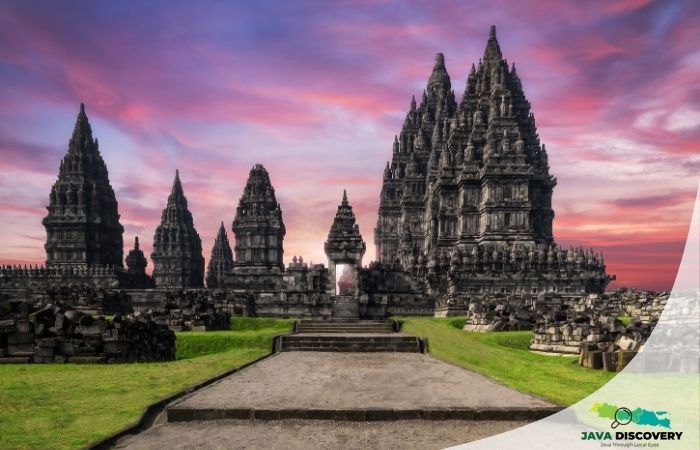
- Yogyakarta: The cultural capital, home to batik workshops, royal palaces, and ancient temples.
- Solo (Surakarta): The twin city of Yogyakarta, offering deeper Javanese court traditions and gamelan music.
- Malang: A cool, green city surrounded by mountains — a gateway to Mount Bromo.
- Banyuwangi: A rising eco-tourism hub and the jump-off point for Kawah Ijen and Bali.
The Soul of Java, Seen from the Rails
To travel by train in Java is to journey through layers of time. You see the old and the new blend seamlessly — colonial stations beside modern cities, farmers waving from rice paddies, children running along the tracks. It’s a rhythm that slows you down, invites reflection, and shows the beauty of simplicity.
So, the next time you plan your Java adventure, skip the rush of airports and highways. Let the rails guide you instead — because in Java, the journey itself is the destination.