The Evolution of Batik from Tradition to Fashion

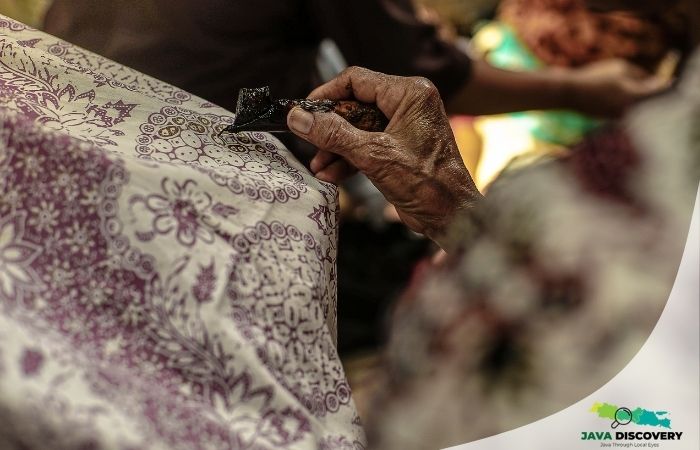
Once sacred and symbolic, now stylish and global — batik’s journey mirrors Indonesia’s own evolution.
javadiscovery.com – Batik is more than a fabric; it is a visual poem, a tapestry of stories told through wax, dye, and time. Originating from the royal courts of Java, it has traveled far beyond its palace walls — from ceremonial attire to Paris runways, from the hands of humble artisans to global fashion icons. Yet, beneath the patterns and colors, batik still carries the same heartbeat: identity, heritage, and artistry.
From Sacred Cloth to Symbol of Identity
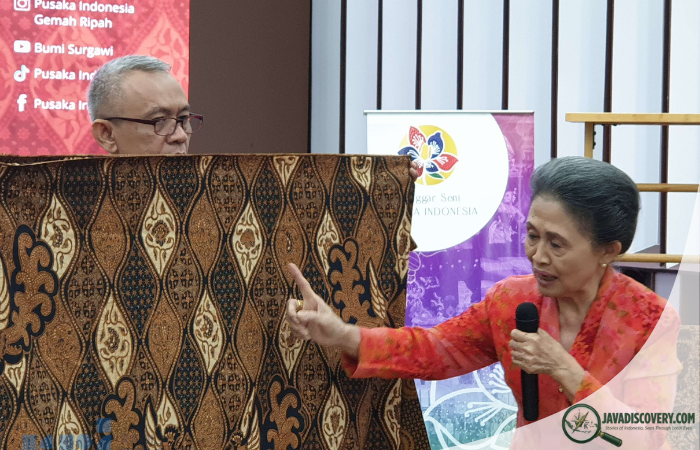
In the ancient palaces of Yogyakarta and Surakarta, batik was once a sacred art known only to the royal family and their court artisans. Each motif was carefully designed with spiritual and social meaning. The parang motif, with its sharp, diagonal pattern, was reserved for kings, symbolizing power and persistence. The kawung pattern — resembling a cross-section of a palm fruit — reflected purity and wisdom. Meanwhile, mega mendung, the cloudy motif of Cirebon, conveyed patience and calmness.

For centuries, batik served as a language of symbols, expressing philosophy and hierarchy. A piece of cloth could tell who you were, where you came from, and even what occasion you were attending. Wearing the wrong motif at the wrong time was once considered a breach of decorum — even taboo.
The Colonial Era and Cultural Resilience
When Dutch colonial influence spread across Java in the 19th century, batik found itself at a crossroads. European traders brought new materials, dyes, and patterns that subtly merged with local traditions. Chinese influences added mythical creatures and floral motifs, while European aesthetics inspired brighter colors and symmetrical designs. Yet, despite these changes, batik never lost its essence.
Behind this artistic evolution stood countless women — the pembatik — whose hands carried forward an unbroken heritage. Through colonial years, batik became both an economic necessity and a quiet form of resistance, preserving Javanese identity when everything else was being rewritten.
Batik Goes National
After Indonesia’s independence in 1945, batik was reborn as a symbol of national pride. No longer confined to the royal courts, it became a fabric for everyone — from students to presidents. The late President Soekarno often wore batik as a statement of unity, representing Indonesia’s cultural strength in the face of modernity.
In 2009, UNESCO officially recognized Indonesian batik as a Masterpiece of the Oral and Intangible Heritage of Humanity, a milestone that placed it alongside the world’s most treasured cultural legacies. From then on, October 2nd became National Batik Day, celebrated proudly across the archipelago.
The Modern Renaissance: Designers and Innovation
The 21st century marked a new era for batik — one that fused tradition with creativity. Visionary designers such as Iwan Tirta, Edward Hutabarat, and Anne Avantie transformed batik from ceremonial wear into haute couture. Their collections reinterpreted ancient motifs into elegant modern cuts, blending silk with cotton, gold with indigo, and history with innovation.
Today’s generation embraces batik with renewed pride. From digital prints to eco-friendly natural dyes, from streetwear jackets to wedding gowns, batik has become a language of expression for Indonesia’s youth — stylish, confident, and deeply rooted.
Global Recognition and Sustainability
From Jakarta Fashion Week to Paris, London, and Tokyo, batik continues to captivate audiences with its intricate artistry. Yet this popularity brings new challenges — sustainability, authenticity, and fair trade. As machine-printed imitations flood the market, preserving traditional hand-drawn batik (batik tulis) has become a collective responsibility.
Fortunately, many communities and young entrepreneurs are now reviving natural dyeing techniques, promoting ethical fashion, and empowering local artisans. In Pekalongan, Lasem, and Solo, cooperatives are blending ancient craftsmanship with contemporary marketing, ensuring that batik’s soul remains intact even as its form evolves.
Keeping the Soul Alive
In every line of wax, in every stroke of color, batik tells a story of continuity — of people who adapt yet never forget. Whether worn by a royal bride, a schoolchild, or a fashion model, batik connects generations through threads of memory and meaning.
Batik’s evolution is not just about fashion. It is about resilience, creativity, and identity — a timeless reminder that tradition can be both sacred and stylish.