Architecture of Blending The Indies Aesthetic Style

javadiscovery.com — Walking through the leafy suburbs of Menteng in Jakarta or the old hills of Semarang, one encounters a unique silhouette that is neither fully European nor entirely Javanese. It is a structural marriage born of necessity and high art. Architecture of Blending The Indies Aesthetic Style, often referred to as Indische Stijl, represents the moment when Dutch colonial design collided with the brutal realities of the tropical climate. The result was a breathtaking hybrid—stately white columns and neoclassical symmetries paired with massive overhanging eaves, wrap-around verandas, and high ceilings designed to breathe. To explore the Architecture of Blending The Indies Aesthetic Style is to witness the birth of a specific tropical modernism. It is a style that discarded the dark, cramped interiors of Northern Europe in favor of light, shadow, and the constant movement of air. This architectural legacy is the physical manifestation of the Indies identity, a world where the rigid lines of the West were softened by the lush, humid embrace of the East.
The Indische Woonhuis The Original Hybrid
The foundation of Architecture of Blending The Indies Aesthetic Style began in the 18th and 19th centuries with the country houses of the Dutch elite. These builders quickly realized that brick walls without ventilation were death traps in the Javanese heat. They began to incorporate the Javanese pendopo concept—the open pavilion—into their grand villas.
In the Architecture of Blending The Indies Aesthetic Style, this manifested as the deep front porch or voorgalerij. These spaces served as the heart of the home, allowing residents to enjoy the breeze while remaining shielded from the torrential rains and the midday sun. By adopting the high-pitched roofs typical of traditional Javanese homes, these colonial architects created a natural convection system, allowing hot air to rise and escape through vents in the gables. This was the first step in the Architecture of Blending The Indies Aesthetic Style toward a truly localized aesthetic.

The New Indies Style Art Deco Meets the Tropics
As the 20th century dawned, Architecture of Blending The Indies Aesthetic Style entered its most experimental phase. Architects like C.P. Wolff Schoemaker and Henri Maclaine Pont began to infuse the geometric boldness of Art Deco with traditional Indonesian motifs. This era of Architecture of Blending The Indies Aesthetic Style saw buildings like the Villa Isola in Bandung or the Bandung Institute of Technology (ITB) emerge as icons of global design.
These structures were not just replicas of European trends; they were re-engineered for the equator. Maclaine Pont, in particular, was obsessed with the structural logic of the Javanese atap (roof). In his contribution to the Architecture of Blending The Indies Aesthetic Style, he used modern materials like steel and concrete to recreate the sweeping, organic curves of traditional timber frames. This era proved that Architecture of Blending The Indies Aesthetic Style was capable of being avant-garde while remaining deeply rooted in the soil of the archipelago.
The Indies style is not a compromise; it is a conversation. It is what happens when the logic of the North finally learns to respect the sun of the South. — Bambang Erwanto, Urban Historian
Ventilation and Light The Functional Beauty
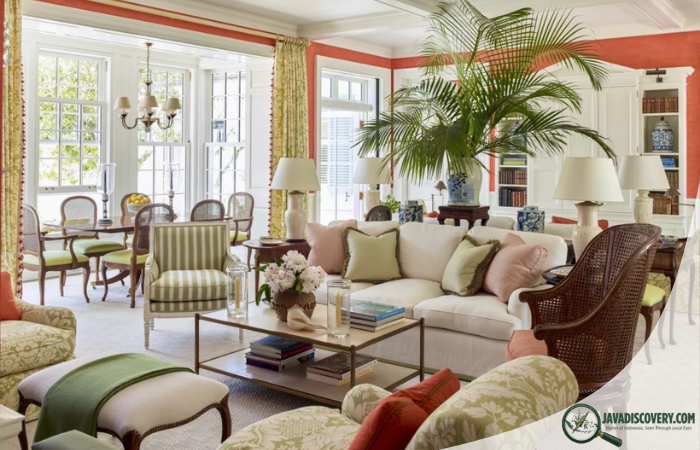
The soul of Architecture of Blending The Indies Aesthetic Style lies in its mastery of light and shadow. Because electricity was a luxury and air conditioning did not exist, the buildings themselves had to do the work of cooling. This led to the widespread use of the bovenlicht—stained glass or wooden fretwork windows above doors that allowed light and air to pass through even when the house was locked.
In the Architecture of Blending The Indies Aesthetic Style, every hallway was a wind tunnel and every tile was chosen for its coolness underfoot. The thick masonry walls provided thermal mass, absorbing the heat of the day and releasing it during the cooler nights. This functional brilliance is why many who live in these historic homes today find them more comfortable than modern glass-and-steel skyscrapers. Architecture of Blending The Indies Aesthetic Style is a masterclass in sustainable living before the term was ever invented.
Traditional Motifs in Stone and Glass
One of the most charming aspects of Architecture of Blending The Indies Aesthetic Style is the inclusion of local symbolism. Dutch architects often hired Javanese craftsmen to carve reliefs or design floor tiles. You might find a neoclassical facade adorned with carvings of a kala (guardian spirit) or a stained glass window depicting Javanese flora.
This decorative layer of Architecture of Blending The Indies Aesthetic Style represents a genuine appreciation for the local culture. It was an aesthetic of inclusion, where the Loro Blonyo (traditional wedding figures) might sit comfortably on a European marble mantelpiece. Architecture of Blending The Indies Aesthetic Style tells the story of a lifestyle that was becoming increasingly blended, a middle ground where two worlds met and found beauty in one another.
| Architectural Feature | European Influence | Local Adaptation |
|---|---|---|
| The Veranda | Neoclassical Portico | Deep shade for tropical rain protection |
| The Roof | Symmetrical Gables | High pitch and vents for heat escape |
| Windows | Sash Windows | Shutters and fretwork for cross-ventilation |
| Layout | Formal Rooms | Open plan with internal courtyards |
Preserving the Skyline The Modern Relevance
Today, Architecture of Blending The Indies Aesthetic Style is under threat from rapid urbanization. However, a new generation of Indonesian architects is looking back at these structures for inspiration. The principles of Architecture of Blending The Indies Aesthetic Style—passive cooling, local materials, and a harmony with the climate—are the keys to the future of green building in Southeast Asia.
Reclaiming the Architecture of Blending The Indies Aesthetic Style is not just about preserving old buildings; it is about preserving the wisdom they contain. These structures prove that it is possible to be modern without being sterile, and international without being rootless. Architecture of Blending The Indies Aesthetic Style is a reminder that the best designs are those that listen to the wind and watch the sun. It is a legacy of stone and wood that continues to teach us how to live elegantly in the tropics.
Conclusion The Language of the Landscape
Architecture of Blending The Indies Aesthetic Style is the visual language of a shared history. It is a style that turned the friction of the colonial era into the harmony of an enduring aesthetic. When we look at these buildings, we see the ingenuity of the human spirit in the face of a challenging environment.
The white walls may be weathered and the gardens overgrown, but the Architecture of Blending The Indies Aesthetic Style still stands as a testament to the power of cultural exchange. It is a bridge between eras and a blueprint for a future that values both tradition and innovation. As long as these porches catch the afternoon breeze and these roofs deflect the monsoon rains, the Architecture of Blending The Indies Aesthetic Style will remain the heart of Javas urban identity. It is a style that belongs to the world, but could only have been born in the Indies.
Category Architecture
Writer Nizam Hamidan
A. SEO Title
Architecture of Blending The Indies Aesthetic Style in Java
B. Meta Description
Explore the Architecture of Blending The Indies Aesthetic Style, where European design meets tropical Javanese wisdom in colonial villas and Art Deco icons.
C. Meta Keywords
Architecture of Blending The Indies Aesthetic Style, Indische Stijl, tropical architecture, colonial buildings Jakarta, Art Deco Indonesia, Schoemaker architect
D. Excerpt
How the sun and rain shaped the stunning Architecture of Blending The Indies Aesthetic Style.
F. focus keyword
Architecture of Blending The Indies Aesthetic Style