Common Mistakes Foreign Travelers Make in Java

javadiscovery.com – Java can be dazzling at first sight — a living tapestry of volcanoes, rice terraces, temples, and modern cities. Yet beneath the island’s magnetic beauty lies a complex rhythm that often catches foreign travelers off guard. What seems simple in guidebooks — hopping from Jakarta to Yogyakarta, climbing Mount Bromo, and ending in Bali — can unfold into a maze of unexpected lessons. To truly enjoy Java, it helps to learn from those who’ve gone before — and stumbled along the way.
Mistake 1: Underestimating Java’s Scale and Diversity
Many travelers imagine Java as a small, unified island — easy to cross in a few days. In truth, Java stretches more than a thousand kilometers from west to east, with landscapes and cultures changing drastically along the way. You can drive for hours and feel as if you’ve entered a different world entirely.
Urban Shock and Rural Serenity
Jakarta’s traffic, skyscrapers, and dense population can feel overwhelming to newcomers. Yet just a few hours away, life slows down in the highlands of Garut or the tea plantations of Wonosobo. Many travelers fail to plan enough time to adjust — rushing between extremes without understanding how vast and varied Java really is.
Not Allowing Time for Transitions
Long drives, delayed trains, and unpredictable weather often stretch travel plans thin. A four-hour drive can turn into eight, and local festivals may block village roads. The key? Travel slower. Build flexibility into your itinerary, and let the island’s rhythm set the pace.
Mistake 2: Ignoring Local Transport Realities
Transportation in Java has its own rules. Google Maps might say “two hours,” but seasoned travelers know that traffic — especially in and around Jakarta, Bandung, and Surabaya — can double that. Trains are efficient for long distances, but tickets sell out fast during holidays. Buses vary widely in comfort, and hiring a private car without a local driver can lead to confusion and stress.
Driving Challenges
Foreign travelers sometimes rent scooters or cars without realizing the complexity of local driving culture. Roads can be narrow, unmarked, and shared with everything from bicycles to buffalo carts. Patience and local knowledge go a long way — or better yet, hire a driver who knows the terrain and unwritten rules of the road.
Mistake 3: Misunderstanding Cultural Norms
Java’s culture is deeply rooted in respect, harmony, and modesty. Many visitors unintentionally cross social boundaries simply because these values differ from what they know back home.
Dress and Behavior
In cities like Yogyakarta or Solo, modest dress is appreciated — shoulders and knees covered when entering temples or villages. Public displays of affection are rare, and loud arguments or excessive drinking in public can seem disrespectful. Smiling, greeting locals with a polite “permisi” (excuse me), and using your right hand for gestures will take you far.
Respecting Sacred Sites
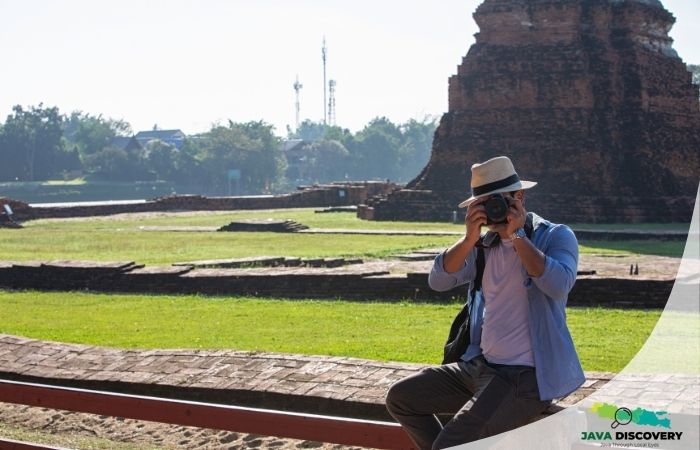
Java is dotted with mosques, temples, and ancestral shrines. Removing shoes, lowering your voice, and following local guides’ instructions are small gestures that show big respect. Many travelers forget that these are living spiritual spaces, not just photo opportunities.
Mistake 4: Food and Health Oversights
Trying Javanese food is one of the island’s greatest pleasures — from spicy sambal to sweet martabak and tender sate. But new stomachs sometimes struggle to adjust. Many travelers underestimate how strong local flavors or hygiene standards can differ.
Water and Hygiene
Tap water is not drinkable. Ice from street vendors may not be filtered. Avoid salads washed in local water unless you’re sure of its source. Stick to bottled or boiled water, and bring rehydration salts if you’re trekking or spending time under the sun.
Weather and Climate
Java’s tropical heat can be deceptive. Even light walks can lead to dehydration. Mosquitoes are active year-round, especially in rural and coastal areas, so packing repellent and wearing long sleeves at dusk is wise.
Mistake 5: Visiting Only the Famous Spots
Borobudur, Prambanan, and Bromo are undeniably breathtaking — but they’re also crowded. Many visitors fly in, check off the highlights, and leave without discovering Java’s quieter corners, where authenticity still thrives.
Hidden Corners of the Island
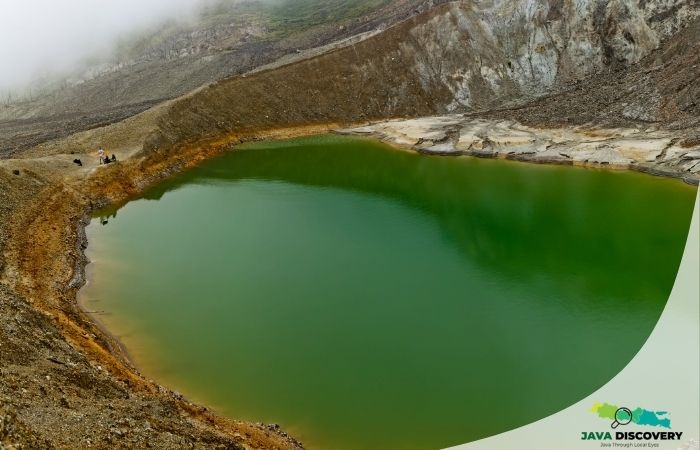
Try exploring Dieng Plateau’s misty craters, the batik villages of Pekalongan, or Sukamade’s turtle beaches. Engage with local artisans, learn traditional crafts, or stay in a homestay where stories flow over homemade coffee. Those who slow down often find the true heart of Java beating away from the crowds.
Mistake 6: Poor Financial and Logistical Planning
Budget surprises are common. Java is affordable compared to Western countries, but tourists often misjudge local practices. Not every restaurant accepts cards, and ATMs in rural areas can run out of cash. Always carry small denominations for parking, restrooms, or local snacks.
Scams and Misunderstandings
Most Javanese people are warm and honest, but like anywhere in the world, opportunists exist. Be cautious of “helpful” strangers at ATMs, unofficial guides at tourist sites, and overly cheap tour offers. Verify prices in advance, and trust your instincts — if something feels off, it probably is.
Mistake 7: Forgetting Java’s Natural Power
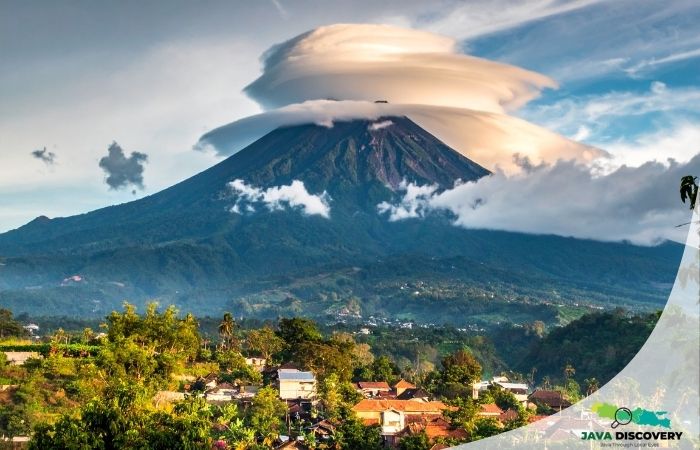
Java sits on the Pacific “Ring of Fire,” home to over 40 volcanoes and dynamic weather patterns. It’s a land of both creation and destruction — fertile soil born from eruptions, and rainforests fed by storms. Many visitors underestimate this natural might.
Volcanoes and Weather
Before hiking mountains like Semeru or Merapi, check the latest safety advisories. Rain can trigger landslides, and even minor tremors deserve caution. Always bring layers — mountain temperatures drop sharply at night, even in the tropics.
Respect for Nature
Leaving trash in parks, taking volcanic stones as souvenirs, or feeding wildlife may seem harmless, but it disrupts fragile ecosystems. Java’s beauty thrives when visitors tread lightly.
Conclusion: Travel with Awareness, Not Assumptions
Every mistake on Java carries a hidden lesson. Those who rush miss the island’s poetry — the slow rhythm of gamelan echoing through rice fields, the aroma of clove cigarettes in the mist, the humility of everyday kindness. To experience Java fully is to listen: to its people, its landscapes, and its silences. Approach the journey not as a checklist, but as a conversation — and Java will reveal more than you could ever expect.
In the end, the only true mistake is traveling without curiosity.