The Legacy of Mak Erot and a Male Vitality Tradition in Sukabumi


javadiscovery.com – In the quiet hills of Cigadog village, Cisolok, life moves at a measured pace. Waves from the nearby southern coast echo faintly through coconut trees, and stories travel just as slowly. Yet from this unassuming corner of West Java emerged one of Indonesia’s most enduring legends of traditional healing: Mak Erot.
Long after her passing, Mak Erot’s name remains inseparable from tales of male vitality therapy. For some, it is a matter of belief. For others, curiosity. But in Cigadog, it is simply part of local history—spoken of with calm certainty, not spectacle.
Mak Erot and the Early Years in Cisolok
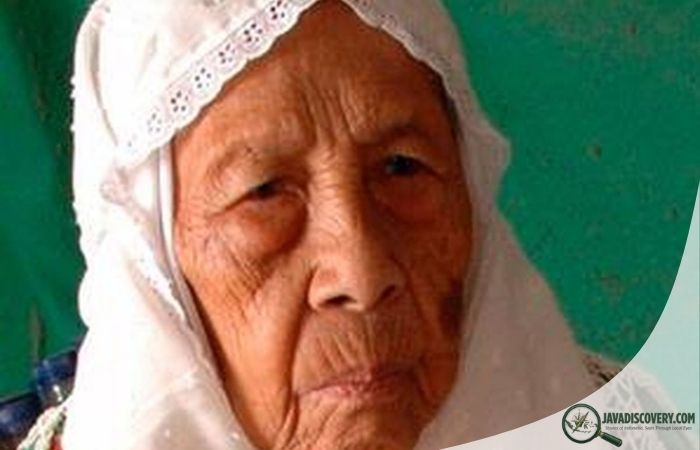
Mak Erot began her practice in the 1940s, during a period when modern medicine was scarce and people relied heavily on inherited knowledge. Born around 1878, she lived through colonial rule, social upheaval, and the slow transformation of rural Java.
Her treatments initially served those closest to her—neighbors, relatives, and villagers around Cisolok. Word spread quietly. One patient told another. A relative brought news to the next village. Over time, Cigadog became a destination for men seeking help with deeply personal concerns.
What distinguished Mak Erot was not grand claims or aggressive promotion. Her reputation grew precisely because she avoided them.
Fasting, Dreams, and Sacred Metaphors
According to family accounts, Mak Erot’s knowledge was not acquired through formal learning. It came through spiritual discipline. During a period of hardship, she is said to have undertaken prolonged fasting—up to one hundred days—seeking guidance from the Divine.
In a dream, her late mother, Mak Layi, appeared and delivered a symbolic message: a proverb about reviving what was dead and enlarging what was small. At first, the meaning was unclear. Over time, its interpretation became evident.
The metaphor, passed down through generations, was understood as guidance for restoring male vitality. In local belief, this was not merely physical repair, but the renewal of confidence, lineage, and dignity.
The Healing Method Behind the Legend
Contrary to popular myths, Mak Erot did not personally perform physical manipulation on male patients. Cultural boundaries were strictly observed. Her role centered on prayers, incantations, and the preparation of herbal remedies.
The physical therapy—traditional massage using specific pressure points—was carried out by her husband, Abah Bo’i, and later by her sons and grandsons. The method relied entirely on natural means: herbs, manual techniques, and spiritual recitation.
No injections. No tools. No mechanical devices. Each element was considered inseparable from the others.
Family Roles and the Transmission of Knowledge
As the number of patients increased, Mak Erot ensured her knowledge did not end with her. Responsibilities were carefully divided within the family. Techniques, prayers, and ethical rules were passed orally and through practice.
One of the most prominent heirs is Baban Saepudin, her grandson. Unlike others who learned later, Baban received direct instruction while Mak Erot was still alive. Photographs from that period show him accompanying his grandmother during visits to major Indonesian cities.
He emphasizes that memorizing herbal ingredients alone is not enough. Without spiritual authorization and lineage, the practice is believed to lose its essence.
From Local Healer to National Phenomenon
By the late twentieth century, Mak Erot’s name had traveled far beyond Sukabumi. Visitors arrived from across Indonesia and even from overseas, often driven by desperation after exhausting modern options.
Despite growing fame, the practice remained grounded in Cigadog. There were no permanent branches, franchises, or attempts at expansion. The village itself became part of the experience—quiet, patient, and unhurried.
A Tradition That Continues Today
Mak Erot passed away in 2006, and her grave is now tended by her descendants. Yet the practice continues. Baban Saepudin and other family members still receive visitors, following the same procedures taught decades ago.
The herbal recipes remain unchanged. The prayers are preserved word for word. Visitors are informed openly about what the treatment involves—and what it does not promise.
For the family, continuity matters more than scale.
Between Belief, Body, and Local Identity
Mak Erot’s therapy exists at the intersection of belief, bodily care, and cultural identity. In Sundanese tradition, healing is rarely separated from spirituality. Illness is not always seen as mechanical failure, but imbalance.
This perspective helps explain why the story endures. It is not only about physical results, but about trust in inherited wisdom and the comfort of ritual.
Closing Reflection
Mak Erot’s legacy is woven quietly into the landscape of Sukabumi. It survives not through spectacle, but through continuity—of family, belief, and lived experience. In Cigadog, the story is not a legend told for effect, but a memory still practiced, one visitor at a time.