Is Bali Still Worth It or Better as a Final Transit After Java

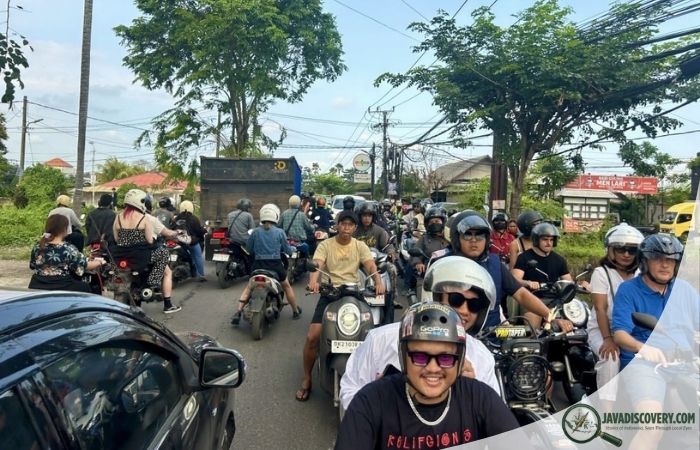
javadiscovery.com – For decades, Bali has been imagined as a place of calm. Palm trees leaning toward quiet beaches, small villages wrapped in ritual, and days that move at island speed. But travelers arriving today often encounter a different reality. The island is still beautiful, yet undeniably busier, louder, and more complex than many expect.
This shift does not mean Bali has lost its value. It simply means its role in a journey through Indonesia may have changed.
Bali Today Through a Traveler’s Eyes
Ask recent visitors about Bali, and one theme appears often: movement. Traffic stretches through Canggu and Seminyak from morning until night. In Ubud, once known for quiet walks and forest paths, scooters now line the roads in long, steady rows.

Popular areas feel less like secluded escapes and more like international hubs. Cafés are full, co-working spaces buzz with activity, and beaches near town centers rarely feel empty. None of this erases Bali’s beauty, but it changes the rhythm of the experience.
The Rise of Digital Nomads and Long-Stay Foreigners
Bali has become one of the world’s most recognizable remote-working destinations. Fast internet, flexible visas, and a lifestyle built around cafés and community have drawn long-stay travelers from every continent.
This global presence brings energy and opportunity, but it also reshapes daily life. Housing demand increases, roads grow more crowded, and spaces once defined by local routines adapt to international schedules. For short-term travelers seeking stillness, the contrast can feel surprising.
Why Bali Feels Different Compared to Java
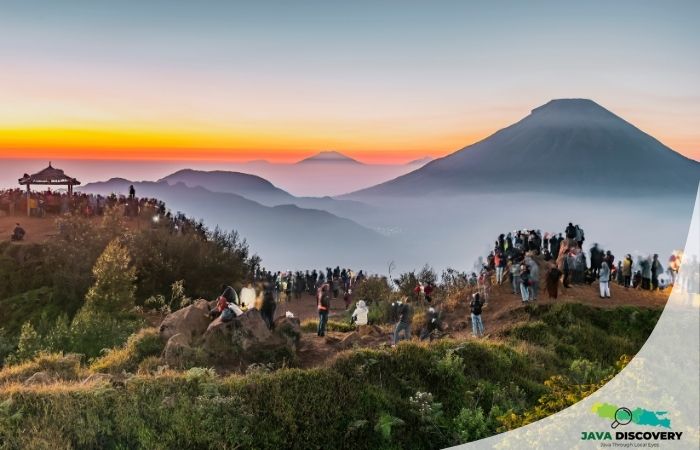
The difference becomes clearer when Bali is experienced after traveling across Java. Java invites movement through landscapes rather than pauses within one destination. Volcanoes rise behind farming villages, long train rides pass rice fields and old towns, and cultural encounters often happen quietly, without spectacle.
Java feels like a journey. Bali, increasingly, feels like a destination where many stories converge at once.
Bali as a Transit Not the Main Journey
For many travelers, Bali now works best as a place to slow down after exploration rather than before it. After days crossing Java’s mountains, temples, and cities, arriving in Bali can feel like a gentle landing.
A few nights near the coast, an easy spa visit, time to sort photos and memories, and then a smooth departure through an international airport. In this role, Bali becomes a soft closing chapter rather than the opening act.
Start in Java and End in Bali
Beginning a journey in Java allows travelers to experience Indonesia’s depth while energy and curiosity are at their highest. Long drives, early sunrises, and layered history feel rewarding at the start.
Ending in Bali offers convenience and comfort. Flights are accessible, infrastructure is familiar, and the pace can be adjusted before returning home. The sequence matters more than the destination alone.
Want the Bali Feeling Without the Crowds Try Lombok
For those who imagine Bali as it once was, Lombok offers a compelling alternative. Beaches stretch wider, villages feel more rooted in daily life, and the landscapes remain largely unfiltered.
Lombok does not try to replicate Bali’s energy. Instead, it preserves space, silence, and a slower interaction with nature. For travelers seeking tropical beauty without constant movement, it often feels closer to the original dream.
Bali is not worse than before, just different. When placed at the right moment in a journey, it still shines. The key is not asking Bali to be what it used to be, but understanding what it has become.