Top 10 Places to Visit in Java Indonesia


javadiscovery.com – Java has always been a crossroads of cultures, kingdoms, and landscapes shaped by fire. For first-time travelers, it offers a rare blend of ancient monuments, living traditions, and dramatic volcanic terrain. This list brings together ten destinations that capture the soul of the island — from sacred temples to remote islands where the sea glows in shades of turquoise.
Borobudur Temple

At sunrise, Borobudur rises quietly from the misty Kedu Plain. The stone reliefs reveal scenes of ancient life, while the circular terraces guide visitors toward the great stupa crowning the monument. Recognized as the world’s largest Buddhist temple, Borobudur remains a spiritual landmark where the rhythm of chanting monks blends with the calls of morning birds.
The world’s largest Buddhist monument
Built in the 8th–9th century, Borobudur’s architecture draws from mandala symbolism. Pilgrims once walked its corridors clockwise, tracing stories of moral teachings and cosmic order. Even today, the journey to its upper levels feels meditative, especially when the light softens across the volcanic horizon.

Prambanan Temple

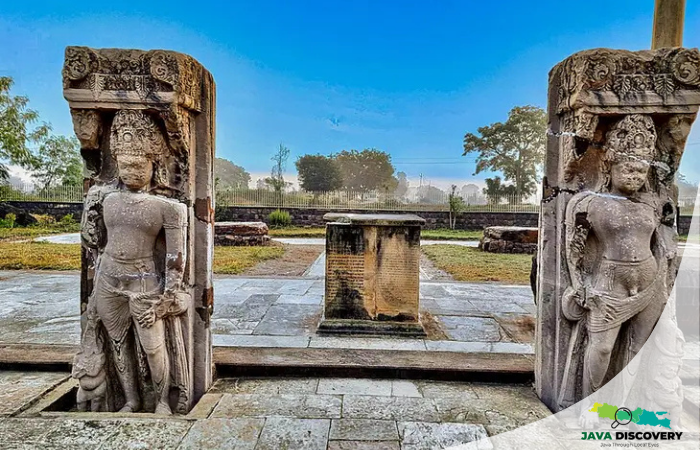
Just east of Yogyakarta stands Prambanan, a masterpiece of Hindu architecture dedicated to the Trimurti. Slender stone towers rise sharply into the sky, creating one of the most dramatic silhouettes in Southeast Asia. As the sun sets, the carvings glow warm, revealing tales from the Ramayana etched into the temple walls.
Masterpiece of ancient Hindu art
Local legend speaks of Roro Jonggrang, a princess turned into stone after a broken promise. Myths aside, the temple complex reflects the height of Sanjaya dynasty craftsmanship. Evenings often feature the Ramayana Ballet staged against the illuminated temples, blending dance, drama, and history.
Mount Bromo

Bromo is the volcano many travelers imagine when they think of Indonesia. The crater sits inside a vast sea of sand — a lunar landscape framed by steep caldera walls. Visitors often begin the journey before dawn, riding across the open plain to watch sunlight break over the ridges of Tengger mountains.
Java’s most iconic volcano
The Tengger people who live around Bromo still honor ancient traditions, including the Yadnya Kasada ceremony where offerings are cast into the crater. The combination of culture and geology makes Bromo more than a viewpoint; it is a living landscape shaped by fire and faith.
Yogyakarta

Often called the cultural heart of Java, Yogyakarta blends royal heritage with modern creativity. The Keraton still serves as the palace of the Sultan, while Taman Sari preserves traces of old gardens and bathing pools. On Malioboro Street, batik artisans, street musicians, and food stalls create an atmosphere that feels uniquely Javanese.
A living center of culture and art
From traditional dance performances to contemporary galleries, Yogyakarta celebrates both past and present. Local dishes like gudeg, a sweet jackfruit stew, give travelers a taste of the city’s culinary identity.
Dieng Plateau

High in the mountains of Central Java lies Dieng, a volcanic plateau often draped in mist. Locals call it “the land above the clouds.” Sulfuric lakes shimmer in shades of turquoise and yellow, while steaming craters remind visitors that the earth here is very much alive.
A sacred landscape shaped by volcanoes
Dieng is home to some of the oldest Hindu temples in Java. During peak cold months, frost known as “embun es” coats the fields, turning the morning scenery into something almost alpine.
Kawah Ijen

On the far eastern side of Java, Ijen mesmerizes travelers with its otherworldly colors. The trek begins at night, leading through dark forests and open ridges until a faint glow appears from the crater — the famous blue fire phenomenon.
Where blue fire meets a turquoise crater lake
As dawn approaches, the acidic crater lake reveals its brilliant turquoise hue. The sight is unforgettable, made even more poignant by the presence of sulfur miners who work in challenging conditions to collect yellow slabs of mineral.
Karimunjawa Islands

North of Java’s mainland lies Karimunjawa, an archipelago of white-sand beaches and warm, clear water. Wooden boats glide between small islands, some home to fishing villages, others uninhabited and wrapped in coral gardens.
A tranquil escape for island lovers
Snorkeling brings visitors face-to-face with reef fish and gentle blacktip sharks. Evenings are calm, marked by grilled seafood dinners and sunsets that fade slowly into violet.
Bandung and the Highlands

Bandung blends cool highland breezes with a lively urban scene. The surrounding region offers volcanic sites like Tangkuban Parahu and the surreal crater of Kawah Putih, while tea plantations stretch across the hills in crisp, geometric patterns.
Art, architecture, and volcanic landscapes
The city’s colonial-era buildings, creative cafés, and fashion outlets draw visitors looking for a more relaxed urban experience. Just outside town, pine forests and hot springs offer an easy escape into nature.
Malang and Batu

Set in the cool highlands of East Java, Malang and Batu offer a softer pace of travel. Colorful villages brighten the hillsides, apple orchards stretch across narrow valleys, and local markets overflow with fresh produce.
A gateway to culture and countryside
The region also serves as a quieter starting point for trips to Mount Bromo. Traditional crafts and nearby temples add depth for travelers interested in local heritage.
Ujung Kulon National Park

On Java’s westernmost tip, Ujung Kulon protects one of the last homes of the critically endangered Javan rhinoceros. Dense forests meet empty beaches, while wildlife thrives in an environment that still feels primeval.
Sanctuary of rare wildlife
With mangrove forests, ancient volcanic formations, and the serene beauty of Peucang Island, the park represents one of Java’s most important conservation sites.
Closing
Java unfolds like a long, living story — shaped by old kingdoms, restless volcanoes, and the daily rhythm of communities that keep tradition alive. Whether you’re drawn to ancient temples or remote nature, this island offers experiences that linger long after the journey ends.