The Philosophy of Rice in Javanese Life

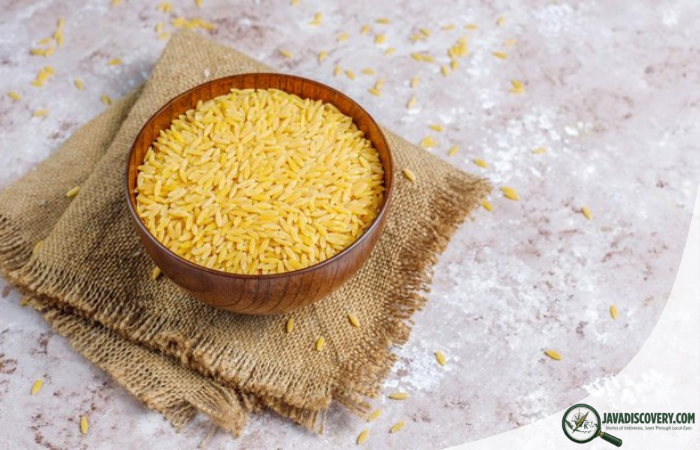
javadiscovery.com – Rice in Java is not just a staple food. It is a living symbol, an enduring thread weaving together the spiritual, cultural, and social fabric of daily life on the island.
Introduction: Rice Beyond Sustenance
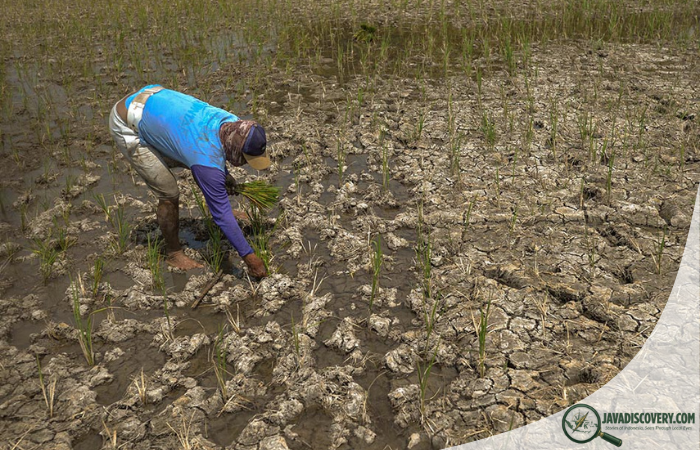
Walking through the emerald paddies of Central Java, one is immediately struck by the rhythmic pattern of life that surrounds the fields. The water glimmers in the morning sun, reflecting a thousand tiny ripples created by the gentle wind. Farmers, clad in conical hats and simple sarongs, move with an unspoken choreography that has been refined for generations. Rice, here, is more than nourishment—it is a philosophy, a meditation in green and gold, a reflection of harmony between humans, nature, and the unseen forces guiding both.
The Spiritual Heart of Rice
In Javanese cosmology, rice embodies a divine essence. Known locally as padi, it is believed to be a gift from Dewi Sri, the rice goddess, who nurtures life and sustains the community. In temples and household shrines, small offerings of uncooked rice, flowers, and incense are placed daily, honoring her generosity. “Without Dewi Sri, our fields are empty and our tables bare,” says Pak Joko, an elder farmer from Yogyakarta. “Rice is our link to the spirit world and to our ancestors.”
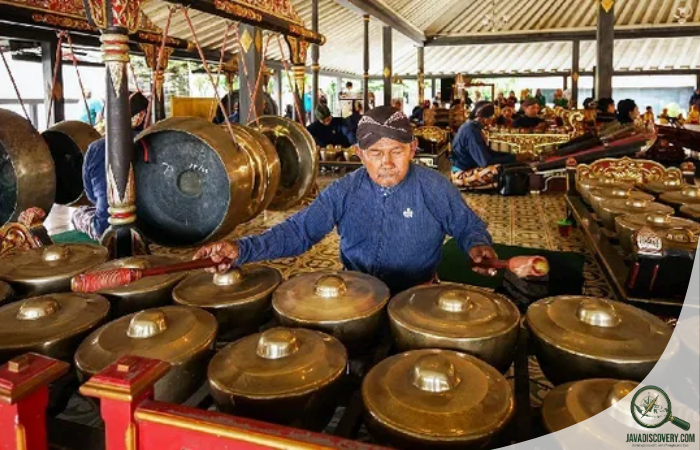
The act of planting rice itself is imbued with ritual. Farmers synchronize their work with the lunar calendar, consulting local astrologers to determine the most auspicious days. The first seeds are blessed with prayers and sometimes even touched by gamelan musicians’ melodies to invite fertility and abundance. This blend of spirituality and labor transforms agriculture into a sacred practice, making every grain a vessel of cosmic and earthly balance.
Rice in Daily Rituals and Social Life
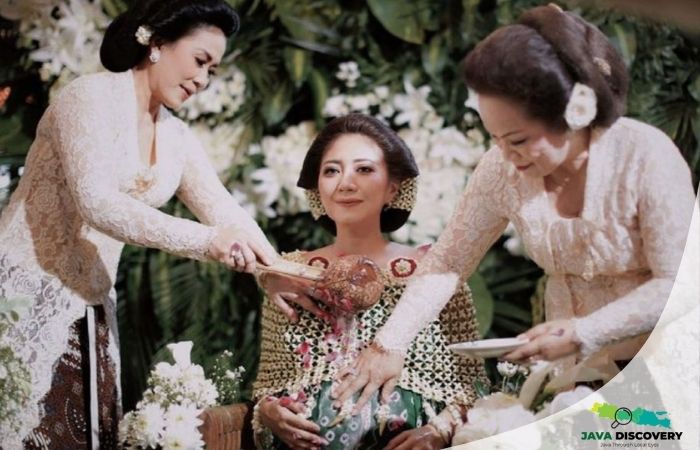
Every aspect of Javanese life is intertwined with rice. At dawn, the smell of steaming rice permeates homes, signaling nourishment and continuity. Meals are not just for eating; they are ceremonies, expressions of gratitude, and moments of communal bonding. During traditional weddings, rice is sprinkled over the newlyweds, symbolizing fertility and prosperity. In village festivals, offerings of intricately shaped rice cakes—tumpeng—mark milestones, from harvest celebrations to rites of passage.
Children learn the value of rice early, helping elders husk grains or carefully measure portions. It teaches patience, respect for nature, and the ethic of sharing. “Rice is never just eaten,” says Ibu Sari, a grandmother from Solo. “It is lived, respected, and offered. To waste rice is to waste life itself.”
The Environmental Philosophy of Rice Cultivation
Traditional Javanese rice farming embodies an ecological wisdom that modern agriculture often overlooks. Terraced fields in the slopes of Mount Merbabu or the Dieng Plateau are engineered to maintain water equilibrium, prevent soil erosion, and sustain biodiversity. Farmers employ crop rotation, integrated pest management, and cooperative irrigation systems—known as subak in neighboring Bali, but with Javanese variations—to ensure fields remain fertile for generations. The land is respected, not dominated; rice grows because humans nurture it, not force it.
These practices also reflect a philosophical outlook called rukun, meaning harmony. Harmony between humans and nature, between community members, and between the material and spiritual worlds. When the fields are in balance, so too is the village and the household. This ethic permeates festivals, storytelling, and daily gestures, shaping a worldview centered on patience, observation, and care.
Rice, Art, and Symbolism
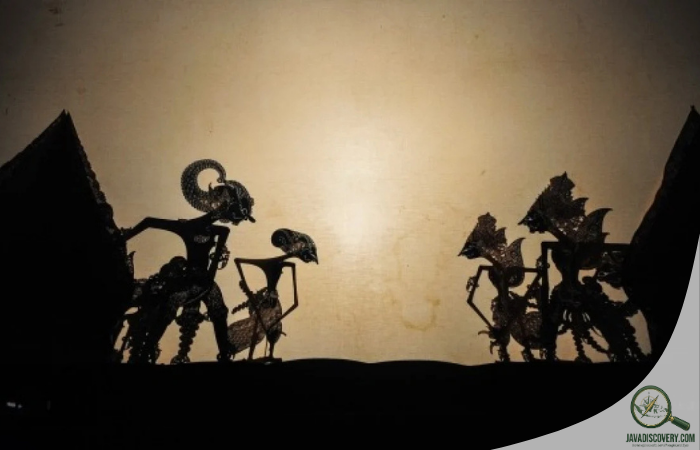
The cultural imprint of rice extends beyond the fields into art and folklore. Traditional batik often features stylized rice motifs, with sharp angles representing resilience and flowing lines symbolizing water’s nurturing presence. Wayang shadow puppetry sometimes narrates the myth of Dewi Sri, dramatizing the origin of rice and human dependence on the sacred grain. Even in everyday crafts—woven baskets, ceremonial umbrellas, or household shrines—rice motifs remind the observer of life’s fragility and abundance.
Rice also shapes poetic expression. Javanese literature uses rice as a metaphor for patience, prosperity, and spiritual growth. A single grain represents the effort of a community, the blessing of nature, and the guiding hand of ancestors. In this way, rice is not merely a crop; it is a narrative device, teaching moral lessons and fostering a sense of belonging.
The Global Lessons of Javanese Rice Philosophy
In a world increasingly disconnected from the source of its sustenance, Java offers a model of sustainable, respectful living. Observing a rice field is observing a philosophy enacted in soil, water, and human hands. The meticulous care given to each seed reflects values that transcend the kitchen table: humility, patience, gratitude, and an awareness of interconnectedness. Scholars, anthropologists, and tourists alike are drawn to this subtle wisdom, finding in rice paddies a mirror for modern society’s neglected principles.
As the sun sets over the horizon, the fields glow amber, and the air hums with the songs of cicadas. Farmers rest, their silhouettes mirrored in water-filled terraces, their hands earthy and calloused. In every motion, in every grain, the philosophy of rice is alive: a testament to resilience, reverence, and the enduring rhythm of Javanese life.
Rice in Java is more than a crop; it is culture, spirituality, and philosophy intertwined. It teaches the rhythm of life, the ethics of labor, the art of giving and receiving, and the profound beauty of patience. To witness rice cultivation is to witness a civilization’s values materialized in green terraces and golden harvests. And to understand rice is to understand Java itself: a land where every grain tells a story, and every story nourishes the soul.