What It Means to Be Javanese Today in a Changing World

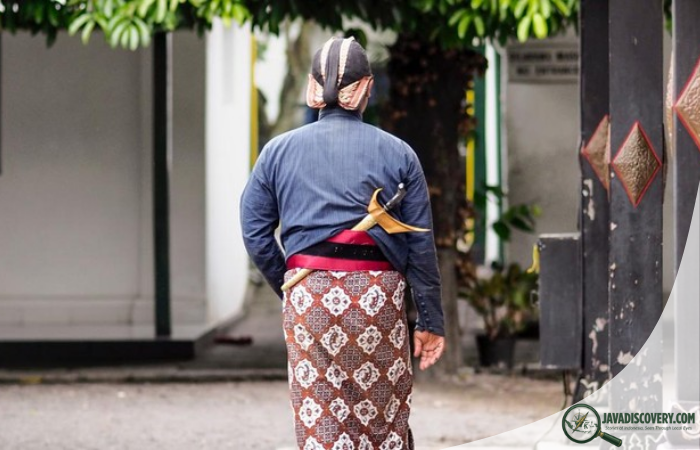
javadiscovery.com – In the early hours before sunrise, a neighborhood in Yogyakarta begins to stir. A man sweeps fallen leaves from the narrow street, moving carefully around parked motorbikes. From an open kitchen window, the smell of rice steaming drifts into the air. A woman hums softly while preparing offerings, placing flowers with deliberate calm. A few houses away, a teenager scrolls through messages on a glowing phone screen, earbuds in place. These moments coexist without contradiction. They form a quiet portrait of what it means to be Javanese today.
Javanese Identity Beyond Definition
To be Javanese is not easily summarized. It is not defined solely by birthplace, language, or ritual practice. It lives in habits, attitudes, and ways of responding to the world. For centuries, Javanese identity developed through layers of kingdoms, colonial rule, religious encounters, and modern statehood. Each era left traces that still shape how people think, speak, and move.
Today, being Javanese does not require wearing traditional clothing daily or practicing elaborate rituals. It often reveals itself through subtler gestures. Speaking softly in public spaces. Avoiding direct confrontation. Prioritizing social harmony even at personal cost. These values remain deeply ingrained, even as lifestyles change.
The Weight of Inherited Values
Concepts such as balance, restraint, and inner calm continue to influence behavior. Many Javanese grow up hearing reminders to stay measured, to avoid excess, to think before acting. These teachings are rarely framed as philosophy. They are woven into everyday advice from parents and elders.
Even among younger generations, these values persist, sometimes unconsciously. A university student in Solo explains, “We might dress differently or think more openly, but we still feel uncomfortable being too loud or aggressive. It feels wrong.”
Language as a Marker of Identity
The Javanese language remains one of the strongest carriers of identity. Its layered speech levels reflect social awareness and respect. Choosing the appropriate form is less about hierarchy than sensitivity. It requires reading context, age, relationship, and mood.
In urban settings, many young people mix Indonesian with Javanese expressions. Full fluency in high-level Javanese is declining, yet key phrases survive. These fragments carry emotional weight. They signal belonging, intimacy, and shared understanding.
Silence and Indirect Expression
Javanese communication often values implication over explicitness. Silence can carry meaning. Disagreement may be expressed through subtle cues rather than direct refusal. This indirectness is sometimes misunderstood as passivity, yet within Javanese society it reflects attentiveness to social balance.
In modern workplaces and schools, this communication style can clash with more direct expectations. Many Javanese navigate this tension by code-switching, adjusting behavior depending on context.
Tradition in Everyday Life
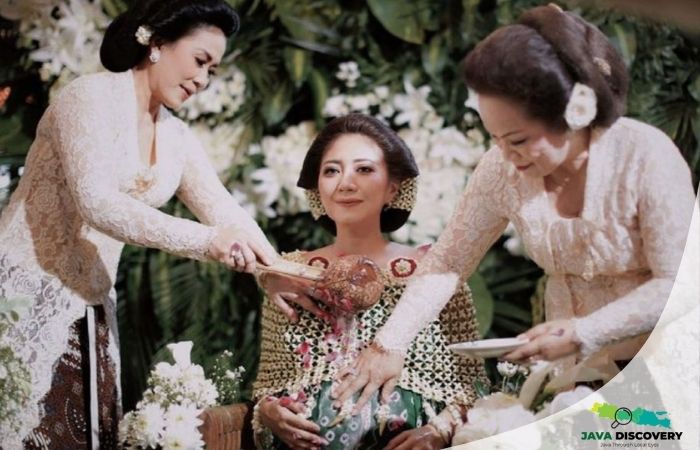
For many Javanese, tradition is not a performance but a background presence. Small rituals mark important moments. A prayer whispered before travel. An offering placed quietly at the corner of a home. These acts are rarely explained in detail. They are simply done.
Traditional calendars still guide decisions in some families. Choosing wedding dates. Starting construction. Planting crops. Even when people cannot fully articulate the reasoning, the practice continues.
Tradition also appears in food, music, and social gatherings. Recipes are passed down without measurements. Songs evoke shared memories. Community events reinforce bonds beyond individual households.
Religion and Spiritual Outlook
Religion plays a central role in Javanese life, yet it often blends with older spiritual perspectives. Many people balance formal religious observance with inherited beliefs about harmony between humans, nature, and unseen forces.
This blending creates a flexible spiritual outlook. It allows room for personal interpretation. Faith becomes a guide for ethical behavior rather than a rigid boundary.
An elder in a rural village explains, “What matters is how you live with others, not how loudly you declare belief.” This perspective remains influential, especially in community life.
Modern Education and Shifting Aspirations
Education has transformed what it means to be Javanese. Universities, migration, and digital access expose young people to global ideas. Career ambitions extend beyond traditional paths. Many leave their hometowns seeking opportunity in larger cities.
Yet departure does not erase identity. Students return home during holidays. They adjust speech, posture, and behavior the moment they step back into familiar environments. Identity stretches rather than breaks.
This flexibility becomes a defining feature. Being Javanese today often means carrying multiple identities simultaneously.
Urban Life and Cultural Adaptation
In cities, Javanese identity adapts quickly. Neighborhood ties remain strong, even in dense urban areas. Community meetings still occur. Mutual assistance continues quietly.
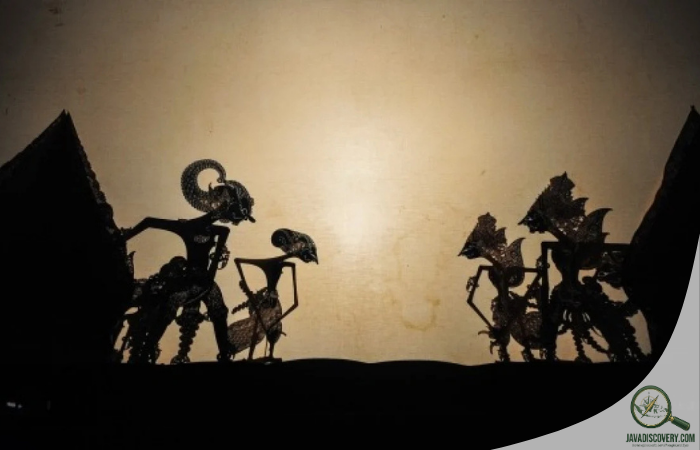
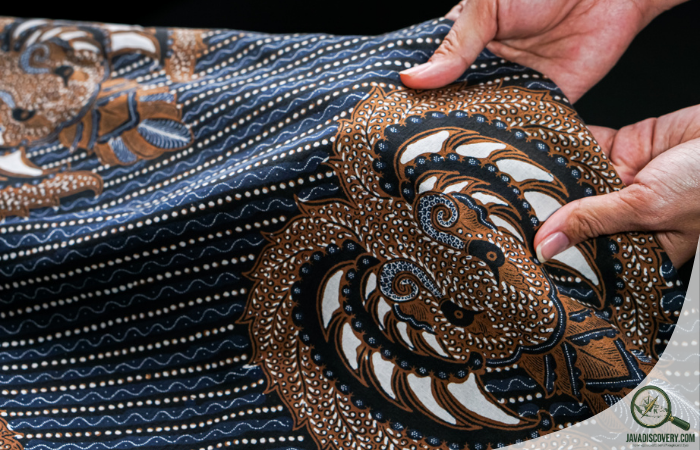
Traditional arts evolve. Music incorporates modern influences. Fashion blends classic motifs with contemporary forms. These adaptations do not signal loss. They demonstrate resilience.
Young creatives reinterpret heritage with awareness. They question what to preserve and what to transform. Their work reflects lived experience rather than nostalgia.
Family Expectations and Individual Choice
Family remains central to Javanese life. Decisions often consider collective impact rather than individual desire. Elders still hold moral authority, even when not directly controlling choices.
This can create tension. Younger generations seek personal fulfillment while respecting familial expectations. Negotiation becomes an everyday skill.
Many navigate this by choosing compromise rather than confrontation. They pursue modern careers while maintaining traditional responsibilities. Balance becomes a personal project.
Challenges of Representation
Being Javanese today also means confronting stereotypes. Outsiders often imagine Javanese people as uniformly gentle or submissive. These simplified images ignore complexity.
Modern Javanese society includes activists, entrepreneurs, artists, scholars, and farmers. Voices vary widely. What unites them is not uniform behavior, but shared cultural reference points.
Representation matters. Younger Javanese increasingly speak for themselves through writing, film, and digital platforms.
The Quiet Strength of Continuity
What it means to be Javanese today cannot be separated from continuity. Change occurs, but slowly. Values adapt rather than disappear. Identity remains grounded in everyday practice.
In the evening, as families gather for simple meals, conversations drift between past and present. Elders share stories. Children listen half-attentively. Life continues in small gestures.
Being Javanese today is not about choosing between tradition and modernity. It is about carrying both, quietly, into the future.