The Quiet Decline of Traditional Professions in Java

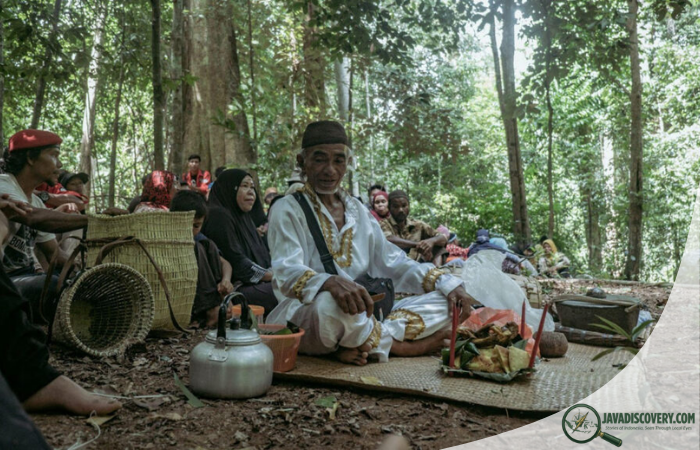
javadiscovery.com – In a narrow workshop lit by a single opening in the wall, an elderly craftsman sits cross-legged on the floor, his hands moving with a precision that comes from decades of repetition. The tools beside him are worn smooth, their edges shaped by constant use. Outside, the sounds of modern life drift in faintly. Motorcycles pass, conversations carry different concerns, and the rhythm of the village feels slightly altered. Inside, however, the work continues as it always has.
Across Java, many traditional professions are gradually fading from daily life. These roles, once essential to the functioning of communities, are now practiced by fewer individuals with each passing generation. The decline is rarely abrupt. It happens quietly, through shifting needs, changing economies, and evolving aspirations.
What disappears is not only a job, but a way of knowing.

Professions Rooted in Community Needs
Traditional occupations in Java were closely tied to the needs of the community. Blacksmiths, weavers, storytellers, and ritual specialists each held a defined role.
Skills were specific.
Demand was consistent.
Work was integrated into daily life.
Professions sustained the community.
Transmission Through Generations
These professions were often passed down within families. Children learned by observing and assisting their elders.
Knowledge moved through practice.
Skills developed gradually.
Experience shaped mastery.
Continuity relied on succession.
Changing Economic Structures
As economic systems evolved, the demand for certain traditional skills began to decline. Industrial production and modern services introduced alternatives.
Goods became mass-produced.
Efficiency increased.
Costs shifted.
Traditional work lost its central place.
Shifts in Aspirations
Younger generations often pursue different paths, influenced by education, urban opportunities, and changing perceptions of work.
New careers offer stability.
Income expectations change.
Prestige is redefined.
Traditional roles attract fewer successors.
The Loss of Specialized Knowledge
As practitioners retire without passing on their skills, specialized knowledge begins to disappear.
Techniques are forgotten.
Processes are no longer practiced.
Details fade from memory.
Knowledge becomes fragmented.
Adaptation and Reinvention
Some traditional professions adapt to new contexts. Crafts may be reinterpreted, and services reshaped to fit modern needs.
Skills find new applications.
Products are redesigned.
Markets shift.
Adaptation offers continuity.
Role of Cultural Value
The survival of certain professions often depends on how they are valued culturally. When recognized as part of heritage, they may receive renewed attention.
Awareness increases interest.
Preservation efforts emerge.
Communities engage with tradition.
Value influences survival.
Urban and Rural Differences
The decline of traditional professions is experienced differently across regions. Rural areas may retain practices longer, while urban settings change more rapidly.
Environment shapes continuity.
Access affects opportunity.
Change varies by location.
Decline is uneven.
Informal Persistence
Even as professions decline, elements of their practice may persist informally. Skills are sometimes retained as part of household knowledge.
Techniques remain in use.
Knowledge survives in fragments.
Practice continues quietly.
Tradition lingers.
The Emotional Dimension
For those who continue these professions, the work often carries emotional significance. It represents identity, history, and personal connection.
Work is more than income.
It reflects a lifetime of experience.
It connects individuals to their past.
Loss carries meaning.
Documentation and Preservation
Efforts to document traditional professions attempt to preserve knowledge before it disappears. Recording techniques, stories, and processes becomes increasingly important.
Documentation captures detail.
It supports future understanding.
It creates a record of practice.
Preservation extends memory.
A Quiet Disappearance
As the craftsman finishes his work for the day, the tools are set aside, their surfaces reflecting years of use. Whether they will be picked up again by another generation remains uncertain.
In Java, the decline of traditional professions does not happen with sudden endings. It unfolds gradually, through absence rather than announcement.
Within this quiet transition, what fades is not only the work itself, but the knowledge, rhythms, and relationships that once defined it. And yet, in the hands of those who continue, even briefly, these professions remain a living connection to a world shaped by skill, patience, and time.