The Resin Taxonomy of Kemenyan in Javanese Ritual Offerings

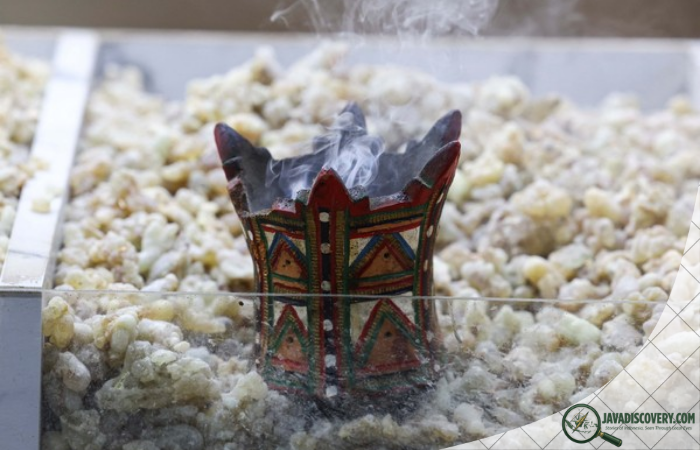
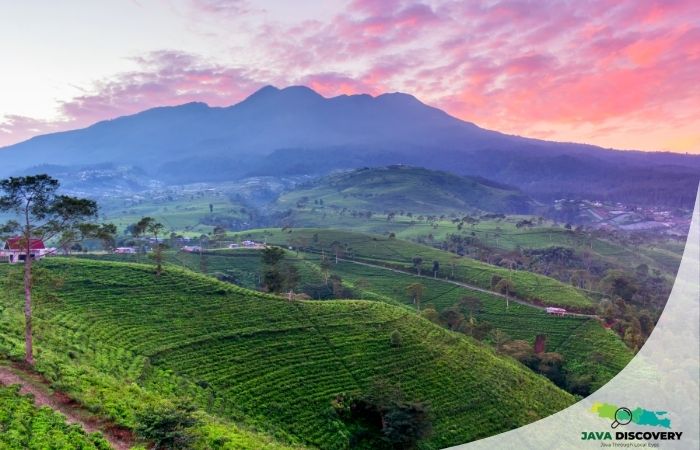
javadiscovery.com – High in the cloud-draped hills of Central Java, as the afternoon mist creeps through the village streets, a distinct and heavy aroma begins to drift from small clay braziers placed on doorstep thresholds. It is a scent that immediately grounds you in the island sacred atmosphere: resinous, warm, slightly sweet, and faintly medicinal. To an outsider, this incense smoke is simply referred to as frankincense or general incense. But to the local herbalists, ritual elders, and marketplace vendors who trade in spiritual goods, this smoke is the voice of “kemenyan,” a highly complex resin with its own strict botanical taxonomy and deeply nuanced spiritual assignments. Understanding the distinction between true Frankincense, Benzoin, and Styrax is not merely a lesson in natural history; it is a key to unlocking the precise language of Javanese ritual offerings.
Demystifying the Resin Spectrum
In the bustling traditional markets of Yogyakarta and Surakarta, women sit behind broad woven trays piled with crystalline lumps of resin ranging in color from milky white and golden amber to dark, coal-like charcoal. For generations, the word kemenyan has functioned as a broad umbrella term in everyday Indonesian speech, covering several distinct aromatic tree resins used in domestic and communal ceremonies. However, botanically and spiritually, these resins come from entirely different plant families, each carrying its own unique physical properties, price point, and ritual function.
True Frankincense comes from trees of the genus Boswellia, native to the arid regions of the Arabian Peninsula and the Horn of Africa. Known locally in traditional Javanese medicine and ritual contexts as “luban” or “kemukus,” this resin entered Java through ancient maritime trade routes along the Indian Ocean. It produces a crisp, citrus-tinged, piney scent when burned on glowing charcoal embers. Because of its exotic origins and high cost, true Frankincense holds a specialized place in Javanese ritual life, reserved for elevated spiritual purifications, high Islamic prayers, and royal court ceremonies within the kraton walls.
By contrast, true kemenyan is native to the lush, humid rainforests of Sumatra and Java, harvested primarily from trees belonging to the genus Styrax, particularly Styrax benzoin and Styrax tonkinensis. This is the authentic Benzoin resin, famous worldwide for its comforting, balsam-like fragrance that carries distinct undertones of vanilla and warm wood. When Javanese ritual practitioners speak of kemenyan in its truest, most authentic form, they are referring to the solidified sap tapped from these massive forest trees. It is this native Benzoin resin that forms the fragrant backbone of everyday village life across the island.
Pak Warno, a third generation resin merchant operating out of Pasar Gede in Surakarta, sifted a handful of pale golden resin tears through his fingers as he explained the physical differences. You can smell the tree’s home in the resin, he said, holding up a piece of clear Styrax resin to the morning light filtering through the market roof. Frankincense carries the dry heat of the desert, sharp and bright. But our local kemenyan carries the damp earth of the mountain jungle. It is thick, sweet, and heavy. The spirits of this island recognize the scent of our own soil.
The Three Grades of Kemenyan
Within the world of local Benzoin resin harvested from the Styrax tree, Javanese tradition recognizes a strict hierarchy of quality and purpose. When the bark of the tree is tapped, the sap oozes out in clear, creamy tears that gradually harden upon exposure to the air. The first harvest yields the purest, most translucent pieces, known as “Kemenyan Putih” or white kemenyan. This top tier resin, characterized by a sweet, clean vanilla aroma, is prized for its ability to clear negative emotional energy and invite light, peaceful influences into a space.
The second tapping yields “Kemenyan Kuning” or golden amber resin, which contains a higher concentration of aromatic bark fragments and natural oils. This middle grade resin produces a denser, moodier smoke with a richer balsamic note. It is the workhorse resin of the Javanese home, used during weekly Thursday night “Malam Jumat” prayers, family milestones, and local “slametan” communal feasts to welcome ancestral spirits back into the living room.
At the bottom of the classification sits “Kemenyan Hitam” or black kemenyan, a dark, heavy resin often blended with tree bark, dammar, and natural gums. When placed on hot charcoal, black kemenyan releases a thick, pungent, pungent smoke with a sharp, earthy bite. While less delicate than the white variety, it is considered exceptionally potent for grounding rituals, protective boundary purifications, and clearing stubborn, stagnant energies from old wooden structures or damp farm fields.
Comparing the Sacred Resins
To navigate the complex world of Javanese ritual incense, it helps to understand how these three main resin categories differ across origin, botanical profile, scent, and spiritual application.
Frankincense (Luban):
Botanical Origin: Boswellia genus (Native to Middle East/East Africa)
Scent Profile: Bright, citrusy, piney, clean, uplifting
Primary Ritual Function: High spiritual elevation, royal kraton ceremonies, purifying sacred tools, formal Islamic prayers
Smoke Character: Light, clear, quick to dissipate
Benzoin / Styrax (Kemenyan Putih/Kuning):
Botanical Origin: Styrax benzoin (Native to Sumatra/Java)
Scent Profile: Warm, sweet, vanilla-like, balsamic, woody
Primary Ritual Function: Welcoming ancestors, blessing crop altars, home protection, domestic slametan feasts
Smoke Character: Medium density, aromatic, long-lasting fragrance
Dark Styrax / Dammar Blends (Kemenyan Hitam):
Botanical Origin: Styrax sap mixed with forest tree resins
Scent Profile: Heavy, smoky, pungent, earthy, spicy
Primary Ritual Function: Earth grounding, cleansing boundaries, warding off disturbances, agricultural blessings
Smoke Character: Thick, dense blue-grey smoke, heavy residue
The Alchemy of the Ritual Ember
In a traditional Javanese offering, or “sesajen,” the resin is never burned directly over a flame. Doing so would scorch the natural oils, producing an acrid, black soot that ruins the subtle fragrance. Instead, the process is an deliberate art form involving a small earthenware burner called an “anglo” or “pedupan,” filled with smoldering coconut shell charcoal. The charcoal must be allowed to burn down until it is covered in a soft layer of white ash, dampening the harsh, direct heat.
The ritual practitioner takes a small piece of resin between their thumb and forefinger, brings it toward their lips for a brief silent prayer or breath of intention, and gently places it onto the ash-covered coals. As the resin melts into a liquid pool over the heat, a thin, elegant plume of fragrant white smoke rises steadily toward the ceiling beams. This rising smoke is viewed as a physical transport system, carrying the unspoken thoughts, gratitude, and prayers of the family up into the unseen spiritual realm.
During a traditional ceremony, specific items are passed directly through the rising smoke to cleanse and charge them with intention. Heirloom daggers known as “kris” are held horizontally over the kemenyan smoke after being oiled with scented sandalwood, sealing the metal against rust while honoring the spiritual energy embedded in the blade. Similarly, small packets of ritual flowers, ears of seed rice, and woven palm ornaments are bathed in the fragrant plume before being placed on domestic shrines or buried at the four corners of a homestead lot.
Scent as the Universal Language of Harmony
To understand why the distinction between Frankincense, Benzoin, and Styrax matters so deeply in Java, one must look at the central cultural concept of “rasa.” Translating roughly to “feeling,” “taste,” or “intuitive awareness,” rasa governs how Javanese people interact with the world around them and the invisible realms beyond. Scent is considered one of the most direct pathways to adjusting the rasa of an environment, shifting a space from “panas” (hot, tense, volatile) to “adem” (cool, peaceful, harmonious).
When a family lights Benzoin kemenyan in their home on a quiet evening, they are actively changing the emotional temperature of their living space. The sweet, warm aroma of vanilla and balsam creates an atmosphere of safety and comfort, signaling to both human guests and visiting ancestral spirits that the home is well cared for and peaceful. If a space feels spiritually heavy or disrupted, the sharp, clearing smoke of Frankincense or black resin is used to reset the atmosphere, dissolving tension much like a cool thunderstorm clears the stifling heat of an afternoon.
In rural farming communities, the smoke of local Styrax resin serves a practical ecological purpose as well. The pungent smoke acts as a natural deterrent against mosquitoes, grain-eating insects, and damp mold in timber homes, protecting stored harvests while simultaneously fulfilling a spiritual duty. This seamless blending of practical utility and spiritual mindfulness is classic Javanese philosophy in action: nothing is wasted, and every physical action carries a deeper, unspoken layer of meaning.
Preserving an Ancient Forest Craft
As modern synthetic incense sticks and electric diffusers flood local markets, the traditional craft of harvesting and classifying natural tree resins faces new challenges. Tapping Styrax trees for authentic kemenyan requires years of patience and deep forestry knowledge. Harvesters must make careful diagonal cuts into the trunk without killing the tree, returning weeks later to hand-scrape the hardened resin tears from the bark under the dense forest canopy.
Yet, despite the convenience of modern alternatives, the demand for pure, unadulterated kemenyan remains strong across Java’s cultural heartlands. Elders, traditional healers, and younger generations seeking a connection to their ancestral heritage continue to insist on authentic raw resins for serious ritual work. They recognize that synthetic perfumes lack the living energy and complex natural chemistry of sap drawn directly from the roots of ancient forest trees.
Back in Pasar Gede, as the morning market chatter reaches a steady hum, Pak Warno carefully wraps a small bundle of white Styrax resin tears in a banana leaf for a young woman preparing for her mother’s memorial service. You cannot fool the heart with cheap imitations, he said with a quiet smile, folding the leaf edges tightly. When the smoke rises from the charcoal tonight, it needs to carry the real sweetness of the forest. That is how we show respect to those who came before us.