Decoding the Distinct Malangan Javanese Dialect

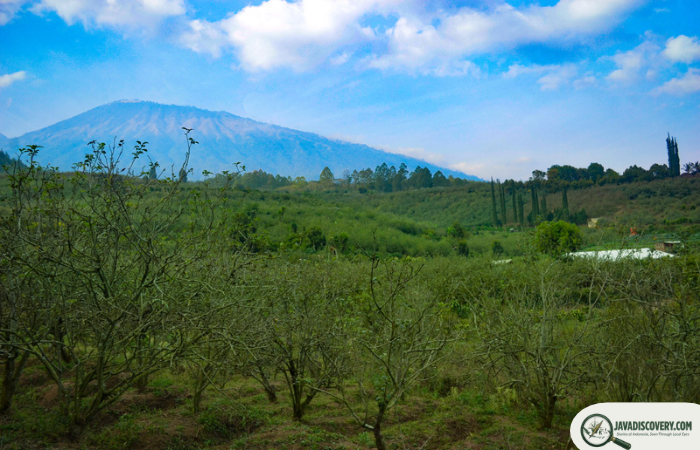
High in the cool volcanic basin of East Java, the speech of Malang carries a cadence that immediately sets it apart across the Indonesian archipelago. Known locally as Boso Malang, this unique linguistic style is grounded in the direct, egalitarian ethos of the Arek cultural sphere. It reflects a proud regional identity that values openness, warmth, and unpretentious humor.
While sharing deep roots with broader Javanese linguistic traditions, the Malangan dialect has forged its own distinct personality. Through sharp pronunciations, characteristic expressive particles, and a legendary reversed spoken cipher, it remains a vibrant mirror of highland social life.
The Egalitarian Heart of Arek Speech
To understand the Malangan dialect, one must appreciate its place within the Arek subregion. Unlike the highly stratified court dialects of Mataraman in Central Java and western East Java, Arek speech prioritizes directness and mutual camaraderie over formal hierarchy.
In Malang, social interactions are characterized by an immediate, welcoming egalitarianism. Speech levels are streamlined, making everyday conversations fluid and accessible whether chatting with a street vendor or relaxing with neighbors. This lack of pretense fosters an authentic sense of communal solidarity across generations.
Key Features of the Malangan Dialect
Pronunciation and Vocal Shift
The spoken rhythm in Malang is crisp, dynamic, and delivered with a distinctive vocal cadence. Speakers tend to articulate consonants clearly while using open, full vowel sounds that lend the dialect its buoyant, energetic tone.
Phrasing flows naturally with a relaxed rhythm, often punctuated by sudden shifts in pitch to signal humor, emphasis, or surprise. This clear delivery makes the dialect instantly recognizable to ears across East Java.
The Iconic Reversal System (Boso Walikan)
No discussion of Malang’s speech is complete without Boso Walikan (or Osob Kiwalan), the famous reversed wordplay that integrates seamlessly into everyday Javanese sentence structures. Originating as a secret intelligence cipher used by guerrilla freedom fighters during the National Revolution, it evolved over decades into an emblem of local pride.
In daily conversation, speakers flip syllables or letter orders naturally. For example, Malang becomes Ngalam, Arek becomes Kera, and Mas becomes Sam. Rather than replacing standard Javanese entirely, Boso Walikan functions as a colorful layer woven directly into the local dialect.
Signature Vocabulary and Particles
The warmth of Boso Malang comes alive through its rich array of local particles and signature vocabulary. Everyday dialogue is laced with expressions that convey subtle emotional nuances and shared understanding.
Particles like rek (short for arek, used to address friends warmly), ojok (meaning “don’t”), and ancen (“indeed” or “truly”) pepper daily exchanges. These subtle linguistic markers signal belonging, immediately bridging distances between speakers.
The Dialect in Modern Highland Life
Far from being a fading tradition, the Malangan dialect continues to thrive across every corner of the city. It echoes loudly through bustling public markets, neighborhood coffee stalls (warung kopi), and university campuses.
It is also passionately sustained by Aremania, the devoted supporters of Malang’s local football culture, as well as digital communities and regional art forms. Through every conversation, Boso Malang remains a living testament to the enduring, open-hearted spirit of the Arek culture.
Writer: Sari Mahendra