Indigo Barons of Central Java Blue Dye Land Wealth History

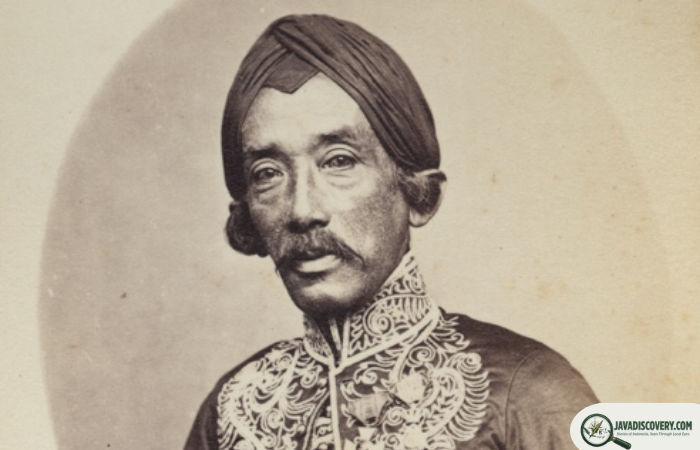
javadiscovery.com – In the decades following the end of the Java War (1825–1830), the fertile volcanic plains and river valleys of Central Java—stretching across Yogyakarta, Surakarta (Solo), Kedu, and Semarang—became the arena for one of the most lucrative and cutthroat agricultural rushes in colonial Asia. While state-directed forced cultivation (*Cultuurstelsel*) extracted vast fortunes for the Dutch Crown, a parallel class of private agrarian tycoons emerged: the Indigo Barons (*Indigoplantage Houders* and private land lessees). Exploiting the Vorstenlanden (the royal princely territories) and leased crown lands, these European, Indische (Eurasian), and Peranakan entrepreneurs amassed vast fortunes by blanketing Central Java’s most fertile rice paddies in *Indigofera tinctoria*—the plant that produced “blue gold” for Europe’s booming Industrial Revolution textile mills.
The rise of the Indigo Barons fundamentally reshaped rural Javanese landownership, restructured traditional feudal labor structures (*belement system*), and created a gilded age of agrarian wealth whose mansions, land holdings, and social legacy still mark the landscape of Central Java today.
The Royal Land Leases: The Engine of Private Wealth
Unlike coffee, which was primarily grown in mountainous state reserves, or sugar, which required massive capital investment in heavy machinery, indigo was an accessible, high-yield crop that delivered astonishing short-term profits. In the royal domains of Surakarta and Yogyakarta, cash-strapped Javanese princes and aristocrats (*Priyayi*) began leasing entire villages (*desa*) along with their resident peasant populations to European and Peranakan speculators:
- The Appanage System (Sewa Desa): Private entrepreneurs leased the revenue rights (*appanaag*) of royal lands. In exchange for upfront annual payments to Javanese landholders, the “Indigo Barons” gained absolute control over village labor and agricultural land.
- Conversion of Rice Lands: Because indigo required moist, nutrient-rich soil and reliable canal irrigation, planters forcibly converted premier double-cropped wet-rice paddies (*sawah*) into indigo fields, altering traditional village crop rotations.
- Rapid Wealth Accumulation: With booming European textile production in Lancashire, Leiden, and Ghent driving global demand for natural blue dye, successful indigo planters achieved staggering returns, transforming overnight into some of the wealthiest private magnates in the Dutch East Indies.
Life of the Indigo Barons: Opulence and Feudal Prestige
The Indigo Barons established a distinct socio-cultural world in the heart of Central Java, blending European aristocratic grandeur with feudal Javanese courtly opulence:
- Plantation Manors (Landhuizen): Across the countryside surrounding Klaten, Boyolali, and Sragen, planters constructed palatial neoclassical and Indies-style estates (*landhuizen*). These mansions featured sweeping colonnaded verandas, marble floors imported from Italy, manicured tropical gardens, and private stables filled with imported Australian racehorses.
- Feudal Court Culture: Operating outside strict municipal oversight, plantation owners ruled their leased estates like feudal lords. They were attended by large retinues of Javanese domestic staff, held lavish evening galas (*soirees*), and maintained private armed guards to oversee field operations and secure transit routes along the Bengawan Solo.
- Influence on Royal Politics: The immense financial power of the Indigo Barons gave them direct leverage over colonial residents and Javanese royal courts alike, allowing them to influence local tax policy, river access rights, and land dispute settlements.
The Human and Ecological Cost: Labor and Land Strain
The vast wealth generated by the indigo trade came at a devastating cost to the Javanese rural peasantry (*tani*). Indigo cultivation was exceptionally labor-intensive and ecologically demanding:
- Compulsory Labor (Gelagah and Corvée): Village farmers were forced to clear land, plant, weed, cut, and transport heavy, green indigo leaves to processing factories under strict daily quotas, leaving little time to cultivate their own food crops.
- Soil Exhaustion: Intensive monoculture planting of indigo depleted essential soil nutrients far faster than traditional crop-rotation cycles. Land that had sustained generations of rice farming became exhausted, contributing to localized grain shortages and severe economic distress across rural districts in the 1840s and 1850s.
- Processing Hazards: Laborers working in factory steeping vats faced harsh working conditions, inhaling fermenting plant fumes and enduring long hours churning toxic sludge to extract the blue precipitate.
The Synthetic Collapse and the Barons’ Sunset
The golden era of the Indigo Barons came to a swift and irrevocable end in the late 19th century. In 1897, German chemical giant BASF perfected the commercial synthesis of synthetic indigo (aniline blue) under Adolf von Baeyer’s patents. Synthetic dye was purer, vastly cheaper, and unaffected by weather or harvest yields.
Within a decade, global demand for natural Javanese indigo plummeted. One by one, the great indigo plantations of Central Java declared bankruptcy or converted their lands to sugar and tobacco production. The opulent mansions fell into decay or were absorbed by local administrative bodies, and the era of the indigo magnates passed into history.
Legacy on Modern Central Java
Though the indigo boom faded over a century ago, its footprint remains visible across Central Java. The intricate irrigation canals, stone sluice gates, and road networks built to serve indigo processing plants were later repurposed for modern agriculture, laying the foundation for Central Java’s contemporary agrarian infrastructure.
Furthermore, the deep cultural memory of indigo dyeing (*tom*) endured among local artisans, serving as the foundation for the world-famous natural batik traditions of Yogyakarta and Solo. The story of the Indigo Barons stands as a compelling chapter in Javanese history—a testament to how a single blue pigment reshaped land, labor, and wealth across the heartland of Java.