Lost Tombs of Mataram Kings Remote Royal Resting Places Outside Imogiri

javadiscovery.com – When historians and pilgrims reflect on the royal burial traditions of the Islamic Mataram Dynasty, the grand, terraced necropolis of Imogiri (*Pasarean Imogiri*) on the southern slopes of Yogyakarta almost exclusively dominates the narrative. Commissioned in 1632 by Sultan Agung Hanyokrokusumo, Imogiri serves as the official resting place for the monarchs of Surakarta and Yogyakarta. Yet, long before Imogiri’s monumental stone staircases were carved into the mountain ridge, and even during periods of intense dynastic schism and warfare, several foundational rulers and renegade princes of Mataram were laid to rest far outside this sacred complex. Scattered across remote rural hamlets, hidden teak groves, and riverine bluffs across Central Java and Yogyakarta lie the “lost” royal tombs—secluded sanctuaries that hold the keys to understanding the turbulent early history and sacred geography of the Mataram Realm.
Uncovering these lesser-known royal resting places reveals a deeply spiritual landscape where political exile, military conflict, and ancestral reverence intersect.
The Pre-Imogiri Sanctuaries: Kota Gede and Krapyak
Before Sultan Agung established Imogiri high in the hills to consolidate his cosmic authority, the early rulers of Mataram were buried within or adjacent to their original capitals (*kota royal*):
- Mondoroko and Danang Sutawijaya at Kota Gede: Located within the fortified, stone-walled enclosure of the historic capital of Kota Gede, the tomb of Panembahan Senopati (founder of Mataram) and his father Ki Ageng Pamanahan remains an intimate, living shrine. Encased in traditional Javanese timber architecture and guarded by royal retainers (*Abdi Dalem*), this sanctuary set the spiritual blueprint for all subsequent royal Mataram burials.
- Panembahan Seda ing Krapyak: Sultan Agung’s father, Susuhunan Krapyak (Panembahan Hanyokrowati), met a sudden death in 1613 during a royal hunting expedition in the Krapyak forest south of Yogyakarta. Known posthumously as *Seda ing Krapyak* (“He Who Died at Krapyak”), his original memorial site outside the main royal grounds underscores the ancient Javanese custom of sanctifying the exact locus of a monarch’s final breath.
Tegalarum: The Lonely Exile of Amangkurat I
Perhaps the most poignant and historically charged of all royal resting places outside Imogiri is Makam Tegalarum, located in a quiet village near Tegal on Java’s northern coast. Here lies Susuhunan Amangkurat I, the son and successor of Sultan Agung whose tyrannical reign and alliance with the Dutch VOC sparked the devastating Trunajaya Rebellion (1676–1677):
- Flight from the Burning Capital: As Trunajaya’s rebel forces sacked the royal capital of Plered, an ailing Amangkurat I fled westward toward the coast, hoping to reach Dutch protection in Batavia. He died en route in the wilderness of Tegal in July 1677.
- Fragrant Earth of Tegalarum: According to royal chronicles (*Babad Tanah Jawi*), before his death, Amangkurat I instructed his son to bury him in a place where the earth smelled sweet. The site, named *Tegalarum* (“Fragrant Field”), remains an isolated royal enclave—denied a place within the ancestral tombs of Imogiri due to his tragic fall from grace, yet preserved as a site of profound historical gravity.
Mangadeg and Girilayu: The Independent Lineages of the Mangkunegaran
Following the Treaty of Giyanti (1755) and Treaty of Salatiga (1757), which fractured the Mataram empire into the Kraton Yogyakarta, Kasunanan Surakarta, and the independent principality of Mangkunegaran, a distinct royal burial tradition was established away from Imogiri:
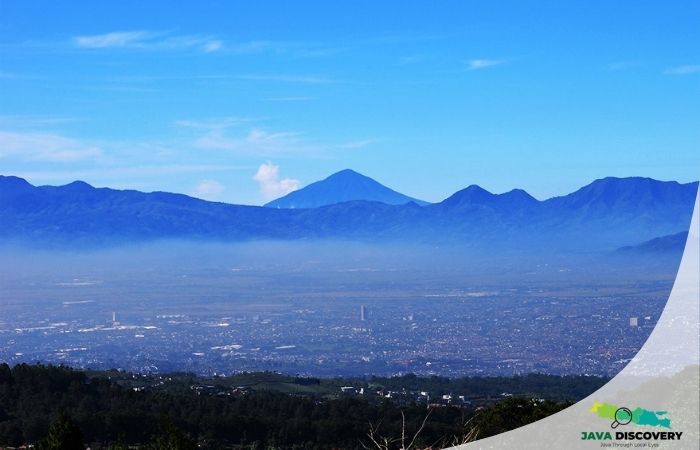
- Astana Mangadeg: Perched dramatically on the slopes of Mount Lawu in Karanganyar, Astana Mangadeg was chosen by the legendary warrior prince Raden Mas Said (Mangkunegara I, affectionately known as *Pangeran Sambernyawa*). Desiring a resting place that overlooked his historic mountain battlefields, Mangkunegara I established this sacred highland sanctuary for his dynasty.
- Astana Girilayu: Located further up the misty slopes of Mount Lawu, Girilayu serves as the continuing necropolis for modern rulers of the Mangkunegaran line, showcasing brilliant fusion architecture that blends classical Javanese *Joglo* pavilions with 19th-century European stone masonry.
Preserving the Sacred Arcana of Mataram History
Unlike the heavily visited halls of Imogiri, the remote tombs at Tegalarum, Krapyak, and Mount Lawu maintain a serene, contemplative atmosphere. Maintained by dedicated lines of *Abdi Dalem* who preserve ancient ritual purity, incense offerings, and royal protocol, these secluded sites offer visitors an unmediated connection to Java’s dynastic past.
Tracing the lost tombs of the Mataram kings reminds us that Java’s sacred history was not written solely within grand palaces and central royal monuments, but across the quiet hills, coastal plains, and remote mountain peaks where its rulers lived, fought, and ultimately returned to the earth.