Mist Keepers of Dieng Microclimates Vegetable Farming Ancient Shrines

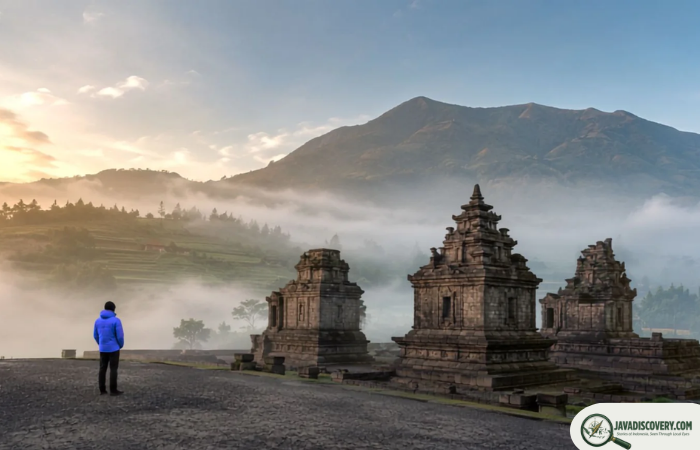
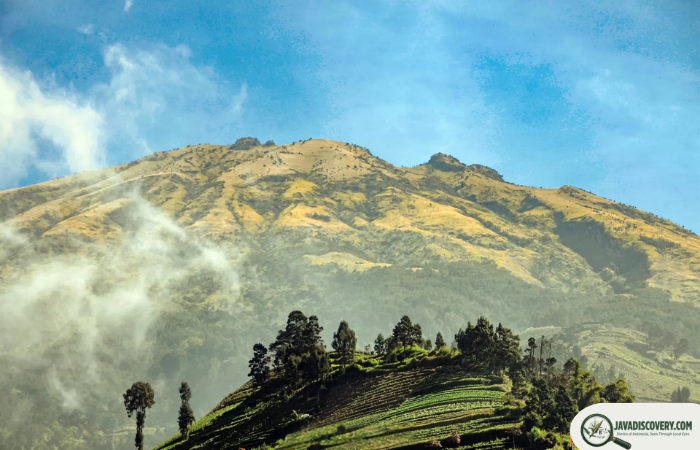
javadiscovery.com – Suspended more than 2,000 meters above sea level in the Central Javanese highlands, the volcanic caldera of the Dieng Plateau—derived from the Old Javanese Di-Hyang, meaning “Abode of the Gods”—exists in a realm governed by mist, geothermal vents, and abrupt atmospheric shifts. For over a millennium, this mountain plateau has served as a sacred landscape where ancient spirituality and high-altitude agriculture converge. Long before modern agronomy, 8th-century Sanjaya dynasty priests constructed the earliest stone Hindu temples in Java across Dieng’s swampy basin, aligning shrines dedicated to Lord Shiva directly with mountain peaks, thermal springs, and cloud formations. Today, the local highland farmers—the modern “mist keepers”—navigate the plateau’s volatile microclimates, balancing intensive vegetable cultivation against severe frost hazards while preserving a deep, spiritual reverence for the ancient sanctuaries that dot their misty fields.
Exploring the mist keepers of Dieng reveals how the delicate interplay between high-altitude weather patterns, volcanic soils, and ancestral shrine worship continues to define life on Java’s highest inhabited plateau.
The Volcanic Microclimates of Dieng: Frost, Fumaroles, and Clouds
Dieng’s extraordinary geography creates localized microclimates that vary drastically from one ridge to the next. Surrounded by ancient stratovolcanic rims, the plateau traps cold air, moisture, and geothermal gases within its basin:
- Embun Upas (The Poisonous Frost): During the dry season (July to September), night temperatures on Dieng regularly plunge below freezing. Moisture in the air crystallizes into a white layer of ground frost known locally as embun upas (“poisoned dew”). This sudden freeze can destroy entire potato and cabbage crops overnight by freezing cell walls, forcing farmers to closely monitor wind directions and cloud cover.
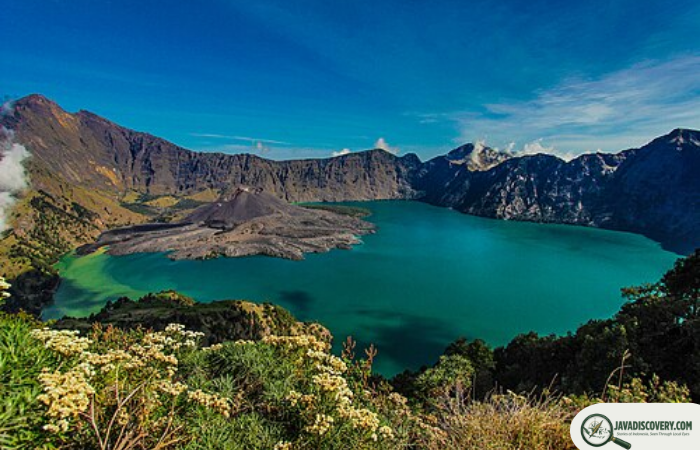
- Geothermal Exhalations: Active geothermal craters like Kawah Sikidang, Sileri, and Candradimuka continuously release sulfurous steam and mineral-rich waters. These thermal pockets create localized warm microclimates while depositing sulfur and trace minerals into surrounding volcanic soils.
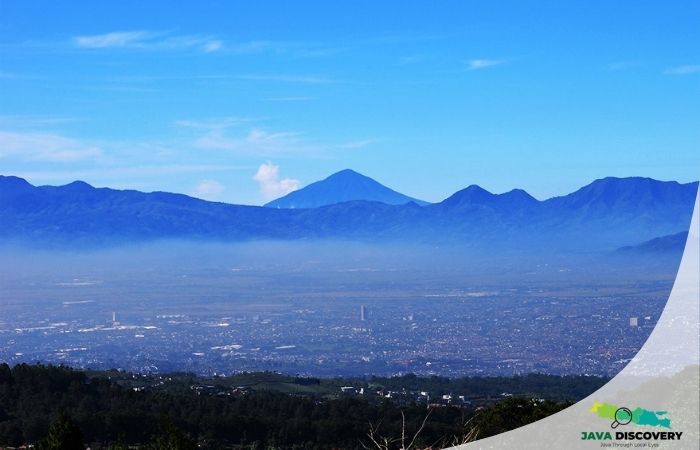
- The Cloud Ceiling (*Awan Halimun*): Rapid afternoon temperature drops cause heavy, dense mountain mists (*halimun*) to roll across the plateau, blanketing temples and farmland in near-total opacity within minutes.
High-Altitude Cash Crops: Potato Terraces and Indigenous Adaptation
Over the past half-century, the economic spine of Dieng transformed from traditional subsistence crops like barley, corn, and tree tomatoes (*carica*) to intensive highland horticulture—most notably potatoes (*Solanum tuberosum*):
- Steep-Slope Terracing: To maximize agricultural yield in the limited arable space between volcanic outcrops, farmers have carved dramatic, vertical terraces along the caldera’s inner walls. These terraces are engineered to channel excess monsoon rains down steep gradients while minimizing topsoil erosion.
- Microclimate Farming Techniques: Farmers adjust planting schedules according to micro-zones. Fields situated near active fumaroles benefit from warmer soil temperatures during cold months, while fields in low-lying basin floors are planted with frost-resistant crops or covered with plastic mulch (*mulsa*) to insulate roots against embun upas.
- The Carica and Purwaceng Traditions: Alongside potatoes, farmers cultivate endemic highland specialties like Carica (mountain papaya) and Purwaceng (a rare, indigenous medicinal herb prized for its herbal properties), both of which thrive exclusively in Dieng’s cool, high-humidity environment.
Ancient Shrine Worship: Living Sanctuaries in the Fields
Rising like ancient stone monoliths amidst emerald potato fields, the 8th-century Arjuna Temple Complex, Candi Bima, and Candi Dwarawati are not dead museum pieces; they remain active spiritual anchors for the plateau’s inhabitants:
- Cosmic Axis of the Gods: In classical Javanese cosmology, Dieng’s constant mist and thermal steam were viewed as breath from the underworld and heavens meeting. Temples were placed at specific hydrological and astronomical alignments to harmonize cosmic energies, securing divine protection for the surrounding lands.
- Rambut Gimbal (Dreadlocked Children) Rituals: A unique cultural phenomenon endemic to Dieng is the appearance of children born with naturally matted, dreadlocked hair (*anak rambut gimbal*). Local tradition holds that these children are chosen by the ancestral spirits of Dieng (*Kyai Kolodete*). Every year during the Dieng Culture Festival, elaborate purification ceremonies (*ruwatan*) are held near the ancient temples and sacred lakes (*Telaga Warna*) to shave the dreadlocks, accompanied by water offerings to ensure village prosperity and weather harmony.
- Shrine Offerings for Crop Protection: Before major planting seasons or when severe weather threatens, local farmers still leave quiet offerings of flowers, incense, and coffee at the base of temple structures, asking the mountain guardians for mild frosts and abundant harvests.
Ecological Resilience at the Edge of the Clouds
The intense agricultural exploitation of Dieng’s steep slopes has presented significant environmental challenges, including soil degradation and deforestation along crater rims. In response, local farmer collectives, heritage advocates, and environmental groups are championing sustainable agroforestry, restoring native cloud forest buffers, and protecting temple buffer zones.
The mist keepers of Dieng remain guardians of an extraordinary mountain heritage—adapting daily to harsh high-altitude weather while maintaining an unbroken spiritual bond with the ancient stone shrines that have watched over the plateau for twelve centuries.