Cave Hermits of Pacitan Modern Day Ascetics Karst Caverns

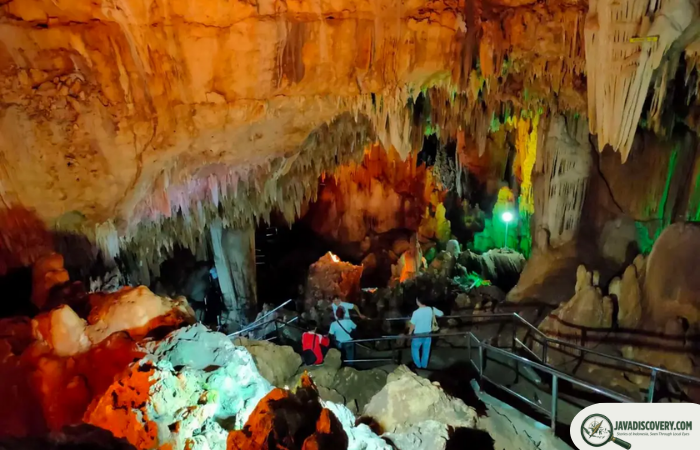
javadiscovery.com – Jaggedly carving through the southwestern corner of East Java, the Gunung Sewu Karst Region is a prehistoric, thousand-hill labyrinth of ancient coral limestone, underground rivers, and thousands of carved caverns. At the heart of this subterranean landscape lies Pacitan, a coastal regency renowned internationally for its dramatic subterranean geography, including grand cathedral caves like Gua Gong and Gua Tabuhan. Yet, away from the illuminated tourist trails and concrete walkways, the deeper, unlit chambers of Pacitan’s karst system harbor a ancient, living spiritual practice. Here, hidden within damp limestone pockets and echoing rock shelters, modern-day Javanese ascetics (*pertapa*) continue the age-old tradition of tapa brata—withdrawing from the noise of contemporary society to practice intense, quiet meditation (*semedi*) in complete darkness and isolation.
Exploring the world of Pacitan’s cave hermits reveals how ancient spiritual traditions, sacred subterranean geography, and the pursuit of inner peace endure in 21st-century Java.
Subterranean Sacred Geography: The Karst as a Spiritual Crucible
In Javanese mystical philosophy (*Kejawen*), caves (*gua*) are far more than geological formations created by millions of years of water erosion. They are viewed as cosmic wombs—liminal thresholds (*garba*) where the physical world (*alam rame*) dissolves into the silent spiritual realm (*alam hening*):
- Total Sensory Deprivation: Deep inside Pacitan’s limestone caverns, beyond the reach of natural sunlight, ambient noise, and temperature fluctuations, ascetics experience absolute sensory stillness. This environment accelerates mental stillness, forcing the practitioner to turn inward and confront the unvarnished self.
- Chambers of Power (*Gua Keramat*): Specific caves in Pacitan—such as Gua Kalak and Gua Putri—carry centuries of oral history as sites where legendary Javanese historical figures, including Prince Diponegoro and early Mataram kings, sought spiritual guidance during periods of intense political crisis.
- Cool Limestone Microclimates: The constant high humidity and cool rock temperatures inside karst chambers offer a natural sanctuary for long spiritual retreats, allowing hermits to endure days or weeks of continuous meditation without external comforts.
The Practice of Tapa Brata: Discipline of Body and Mind
Modern cave hermits in Pacitan do not practice isolation out of misanthropy or mental delusion; rather, their practice represents a rigorous, highly disciplined spiritual discipline rooted in Javanese classical literature (*Serat Wedhatama* and *Serat Centhini*):
- Tapa Kungkum and Tapa Bisu: Ascetics often combine cave retreat with physical disciplines, such as remaining motionless on damp stone floors for extended hours, observing strict silence (*tapa bisu*), or meditating near subterranean rivers in total darkness.
- Fasting and Fasting Regimens (*Puasa Mutih*): To refine physical awareness, hermits observe strict dietary restrictions, consuming only plain water and white rice (*puasa mutih*) brought in small cloth bundles, or fasting entirely for multi-day stretches (*ngebleng*).
- Seeking Memayu Hayuning Bawana: The ultimate goal of the Pacitan cave hermit is not personal power or magical abilities (*kesaktian*), but internal purification (*cleansing the ego*) to radiate harmony back into the world—a concept known as *Memayu Hayuning Bawana* (beautifying and sustaining the universe).
The Modern Ascetic: Bridging Two Worlds
Contrary to popular belief, modern cave ascetics in Pacitan are not exclusively lifelong mountain recluses. They represent a diverse cross-section of modern Indonesian society:
- Temporary Retreatants: Many ascetics are urban professionals, farmers, teachers, or community elders who temporarily leave behind daily responsibilities for three, seven, or forty nights—particularly during the sacred Javanese month of *Suro*—to recalibrate their spiritual lives before returning to normal routine.
- Permanent Hermits (*Mbah Tapak*): A small, dedicated handful choose long-term or permanent residence in remote, unmapped karst recesses. Living simple lives sustained by wild forest tubers, spring water, and occasional food offerings from nearby villagers, these elders act as quiet spiritual guardians for the surrounding countryside.
- Elders and Local Custodians (*Juru Kunci*): Local village custodians closely monitor access to sacred caves, ensuring that retreatants respect environmental cleanliness, refrain from damaging delicate speleothems (stalactites and stalagmites), and maintain the sacred tranquility of the caverns.
Preserving the Silent Sanctuaries of the Gunung Sewu
As speleotourism, quarrying, and commercial development expand across the Gunung Sewu UNESCO Global Geopark, the quiet cave sanctuaries of Pacitan face modern challenges. However, the deep cultural reverence that local communities hold for these ascetics acts as an informal conservation buffer, protecting unlit cave systems from commercial disruption.
The cave hermits of Pacitan stand as living bridges to Java’s ancient contemplative heritage—proving that amidst the hyper-connected, fast-paced modern age, the search for inner silence inside the depths of the earth remains as vital as ever.