Subterranean Waterfalls Grojogan Sewu Hydrological Wonders Sacred Bathing

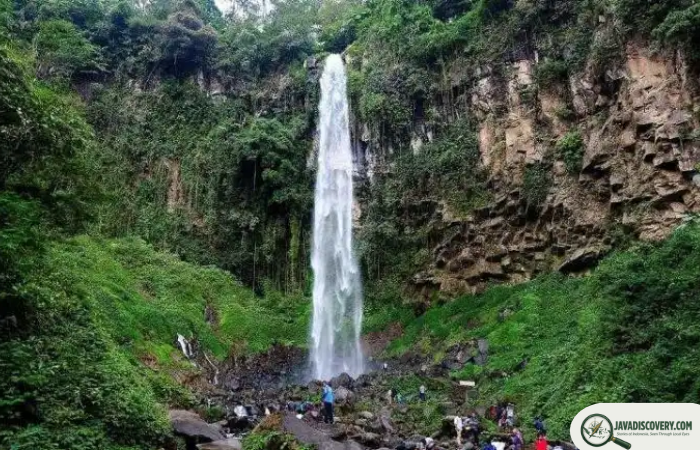
javadiscovery.com – Nestled deep within the moss-draped, pine-forested slopes of Mount Lawu along the border of Central and East Java, the name Grojogan Sewu evokes images of thundering cascades and pristine wilderness. While the iconic, roaring 80-meter waterfall near Tawangmangu attracts thousands of visitors seeking cool highland air, the true hydrological wonder of this mountainous region lies hidden beneath the surface. Deep within the porous volcanic strata and ancient limestone fissures of Lawu’s western foothills, a complex web of subterranean water chambers, concealed springs, and hidden underground waterfalls (*air terjun bawah tanah*) feeds the valley. For centuries, these sequestered aquatic sanctuaries have served as sacred bathing sites (*petirtaan*) and spiritual purification venues for local ascetics, traditional healers (*dukun*), and villagers seeking physical and ritual rejuvenation.
Exploring the subterranean and highland waterfalls of Grojogan Sewu unveils how unique volcanic hydrology and ancient Javanese cleansing rites converge in the mist-shrouded cradle of Mount Lawu.
The Hydrogeology of Mount Lawu: Aquifers and Volcanic Conduits
Mount Lawu is an ancient stratovolcano characterized by complex geological layering, where permeable volcanic breccia and ash deposits overlie older, impermeable bedrock. This unique geological architecture dictates how water moves across the mountain:
- Subterranean Aquifers: Rainfall and melting highland mists absorbed by Lawu’s dense upper forests filter downward through porous basaltic layers. Instead of immediately forming surface rivers, large volumes of water become trapped in subterranean reservoirs and fault-line caverns.
- Subterranean Cascades: Where tectonic shifts or ancient erosion carved subterranean channels through the rock, pressurized water bursts forth inside hidden caves or drops vertically in pitch-black chambers, creating hidden underground waterfalls.
- Springs of Purity (*Tuk*): The water that ultimately emerges at surface springs and cascade pools is exceptionally cold, mineral-rich, and crystal-clear, having undergone decades of natural filtration through miles of volcanic rock.
Sacred Bathing Sites (*Petirtaan*) and Ritual Cleansing
In classical Javanese tradition, water is viewed as the physical manifestation of *amrta* (the elixir of life) and the primary medium for spiritual purification (*siraman* or *mandi suci*). The secluded pools beneath Grojogan Sewu and its surrounding secret springs hold deep spiritual gravity:
- Laku Rendam (Submersion Meditation): Spiritual seekers and *Kejawen* practitioners frequently visit isolated cascade pools during sacred nights—such as Friday Kliwon (*Jum’at Kliwon*) or the eve of *Satu Suro*—to perform *laku rendam* (standing or meditating submerged up to the chest in freezing water) to cultivate inner focus and emotional resilience.
- Cleansing the Soul (*Melukat* / *Jamasan*): Traditional purification rites involve bathing under the cascading force of the waterfall to wash away negative energy, physical illness, and psychological burdens, treating the rushing water as a natural baptismal cleanser.
- Spiritual Wardens (*Juru Kunci*): Local custodians maintain strict behavioral codes around the sacred pools, requiring visitors to observe silence, wear traditional attire, and refrain from polluting the pristine waters with modern waste.
The Ecosystem of the Lawu Cascades
Beyond their cultural and hydrological significance, the mist-filled microclimates surrounding Grojogan Sewu support a thriving, specialized ecosystem adapted to high humidity and constant spray:
- Riparian Flora and Giant Ferns: Towering tree ferns (*Cyathea*), wild orchids, and dense layers of liverworts and moss carpet the vertical canyon walls, creating a prehistoric landscape reminiscent of a lost world.
- Endemic Fauna: The spray zones and quiet rock pools provide vital habitats for native freshwater crabs, specialized amphibians, and forest birds like the Sundan laughingthrush, which feed on aquatic insects thriving in the mineral-rich current.
Preserving the Living Waters for Future Generations
As tourism and regional infrastructure expand around Tawangmangu, protecting the recharge zones and upper forests of Mount Lawu has become a critical environmental priority. Local conservation groups, forestry bureaus, and indigenous communities work together to defend the forest canopy that feeds the subterranean aquifers.
The waterfalls and hidden subterranean springs of Grojogan Sewu stand as enduring reminders of Lawu’s sacred landscape—places where the roar of falling water harmonizes with the quiet devotion of centuries-old Javanese cleansing traditions.