The Language Levels of Java and the Psychology of Respect

Focus Keyword: Javanese language levels
Excerpt: In Java, every word chosen carries layers of respect.
javadiscovery.com – In the early morning markets of Central Java, conversations unfold like careful choreography. A vegetable seller greets an elderly buyer with softened vowels and refined phrasing. Moments later, she turns to a childhood friend and her tone shifts, lighter, direct, intimate. Nothing in the marketplace sign announces this transition. Yet everyone hears it. In Java, language does not simply communicate meaning. It signals relationship, hierarchy, emotion, and moral awareness in a single breath.

The Architecture of Javanese Language Levels
Across :contentReference[oaicite:0]{index=0}, the Javanese language operates through a layered system known as unggah ungguh, a complex code governing speech levels. The most widely recognized categories are ngoko, the informal register; krama, the polite register; and krama inggil, an elevated form reserved for showing deep respect.
To an outsider, these levels might appear as mere variations in vocabulary. In reality, they shape how speakers position themselves socially and psychologically. When a young man addresses his grandmother in krama, he is not only selecting different words. He is acknowledging generational distance, expressing humility, and reinforcing social harmony.
Each level contains distinct pronouns, verbs, and even subtle shifts in intonation. The word for “eat” in ngoko becomes a different term in krama. The everyday “you” transforms into more deferential forms. Speech becomes a mirror reflecting the speaker’s awareness of another person’s status.
Language as Social Compass
In the city of :contentReference[oaicite:1]{index=1}, students often grow up navigating these layers instinctively. At home, they may speak ngoko with siblings. In the classroom, krama appears when addressing teachers. During ceremonies in the kraton, krama inggil echoes through formal speeches.
This fluid adjustment is not simply etiquette. It trains emotional intelligence from childhood. Children learn to read subtle cues: age, profession, social standing, mood. They calculate distance and closeness before forming a sentence. The process becomes automatic, yet it requires constant awareness.
Linguists describe Javanese as one of the most intricate speech level systems in the world. But for its speakers, it is less a system than a lived rhythm. Respect is embedded in grammar.
The Psychology Behind Deference
Why does such a layered structure endure in modern Indonesia, where national language policy promotes Bahasa Indonesia as a unifying tongue? The answer lies in psychology.
Javanese society has long emphasized social harmony, or rukun. Open confrontation is often avoided in favor of subtle negotiation. Language levels support this ethos. By choosing refined speech, a speaker reduces friction. Humility diffuses tension.
When using krama, the speaker lowers the self while elevating the listener. This symbolic lowering cultivates empathy. It creates a shared understanding that hierarchy exists, but it is acknowledged gently rather than imposed aggressively.
Researchers observing family dynamics in Central Java note that children who master krama demonstrate heightened sensitivity to social nuance. They learn early that words carry moral weight. Speaking carelessly risks appearing kasar, coarse or insensitive.
Halus and Kasar in Verbal Form
The broader Javanese concepts of halus and kasar, refined and coarse, are embedded within language levels. Halus speech flows softly, with controlled tempo and carefully chosen vocabulary. Kasar speech feels abrupt, blunt, sometimes emotionally charged.
A person who defaults to ngoko in inappropriate contexts may be judged as lacking refinement. Conversely, overusing krama among close friends can create awkward distance. Balance is essential.
Historical Roots of Hierarchical Speech
The stratified language system developed alongside courtly traditions in the kingdoms of Central Java. In the palaces of :contentReference[oaicite:2]{index=2} and Yogyakarta, elaborate etiquette structured daily life. Nobles, courtiers, and servants communicated through carefully calibrated registers.
Language became a tool for reinforcing cosmic order. The king stood at the symbolic center of the universe. Speech directed toward him required the highest refinement. Even eye contact and posture aligned with linguistic deference.
Over centuries, these courtly norms filtered into village life. While rural communities simplified certain aspects, the core principle remained intact. Respect must be audible.
Modern Shifts and Urban Pressures
In Jakarta and other metropolitan areas, Bahasa Indonesia dominates formal communication. Young professionals text in Indonesian or a blend of slang. Some educators worry that krama is fading.
Yet the story is not so simple. In neighborhoods of :contentReference[oaicite:3]{index=3}, grandparents still correct grandchildren gently when speech slips into inappropriate levels. Cultural pride movements encourage revitalization programs in schools.
Interestingly, many young Javanese express renewed curiosity about their linguistic heritage. They attend workshops to relearn krama forms that their parents rarely used at home. For them, mastering language levels becomes an act of cultural reclamation.
The Emotional Texture of Indirectness
One of the most distinctive psychological effects of Javanese language levels is indirectness. Criticism is rarely delivered head on. Instead, speakers weave suggestions into softer phrasing.
A manager addressing an employee may avoid blunt commands. Rather than saying, “You are wrong,” he might phrase the concern as a shared reflection. The hierarchy remains intact, but dignity is preserved.
This indirectness fosters emotional safety, though it can also obscure clarity. Outsiders sometimes misinterpret the softness as indecision. Within Javanese culture, however, it reflects maturity.
Silence as Speech
In many conversations, silence carries meaning equal to words. A pause may signal disagreement without open defiance. The listener must interpret nuance.
Language levels heighten this sensitivity. When krama is employed, the atmosphere slows. Speakers think before responding. The rhythm itself encourages patience.
Identity and Inner Dialogue
For many Javanese individuals, switching language levels shapes internal identity. A university student might feel assertive in Indonesian, humble in krama, playful in ngoko. Each register activates a slightly different persona.
This fluidity demonstrates how language molds self perception. Respect is not only external performance. It becomes internalized discipline.
Psychologists studying bilingual communities note that identity often shifts with language choice. In Java, even within a single language, such shifts occur through its levels.
Gender and Generational Nuance
Women are often expected to display heightened linguistic refinement, particularly in traditional households. Mastery of krama can signal good upbringing. Meanwhile, younger generations sometimes challenge rigid expectations, advocating more egalitarian speech.
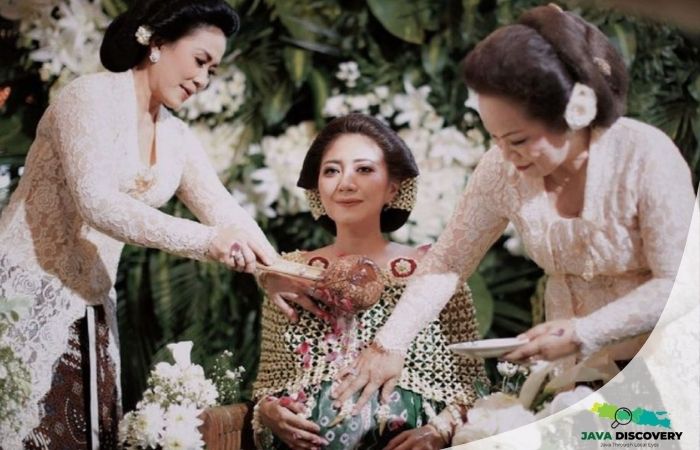
Still, during weddings, funerals, and religious gatherings, formal registers resurface with striking consistency. Ritual demands reverence.
Education and Preservation
Schools in Central Java incorporate Javanese language classes into their curriculum. Students practice dialogues in different levels, sometimes awkwardly at first. Teachers emphasize that learning krama is not merely academic. It is ethical training.
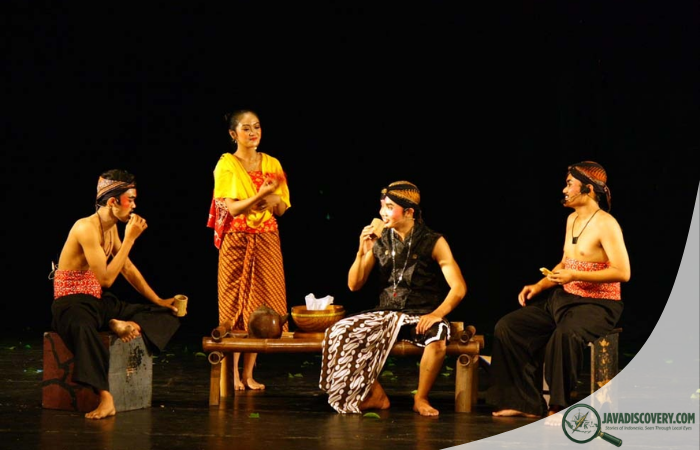
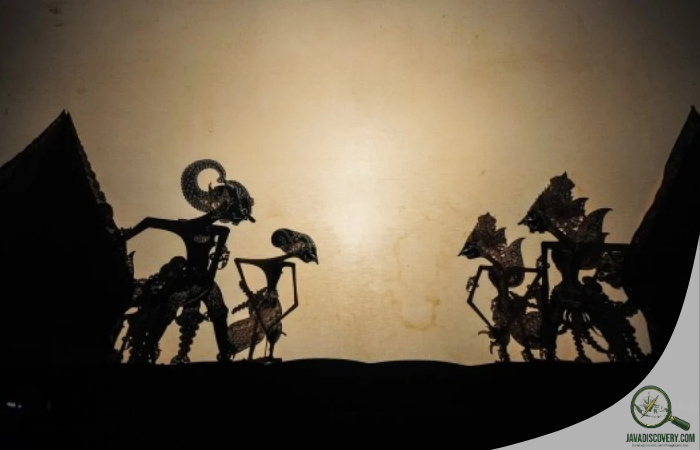
Outside classrooms, local theater and wayang performances preserve elevated forms of speech. Audiences may not grasp every archaic term, yet they feel the gravity embedded in tone.
The Future of Respect in a Changing Society
As Indonesia urbanizes and digital communication accelerates, questions arise about the survival of intricate speech hierarchies. Text messages flatten tone. Social media rewards brevity.
Yet even online, subtle markers of respect persist. Young users adjust word choice when messaging elders. Emojis soften potential bluntness. The instinct to calibrate remains alive.
The endurance of Javanese language levels suggests that respect in Java is not superficial etiquette. It is psychological infrastructure. It shapes how conflict is managed, how authority is perceived, how intimacy is negotiated.
Conclusion: Words as Moral Gesture
To listen carefully in Java is to hear a society thinking aloud about relationship. Every pronoun selected, every verb adjusted, becomes a moral gesture.
Language levels transform daily speech into subtle diplomacy. They remind speakers that communication carries consequence. In a world increasingly defined by speed and directness, Java continues to cultivate attentiveness.
In the market at dawn, the vegetable seller’s shift in tone is more than habit. It is inheritance. It is psychology shaped by centuries of refinement. And it is proof that in Java, respect is not abstract. It is spoken.
Category: Culture
Writer: Anita Surachman
A. SEO Title
The Language Levels of Java and the Psychology of Respect
B. Meta Description
C. Meta Keywords
D. Excerpt
F. Focus Keyword
Javanese language levels