Understanding the Philosophy of Javanese Shadow Puppetry


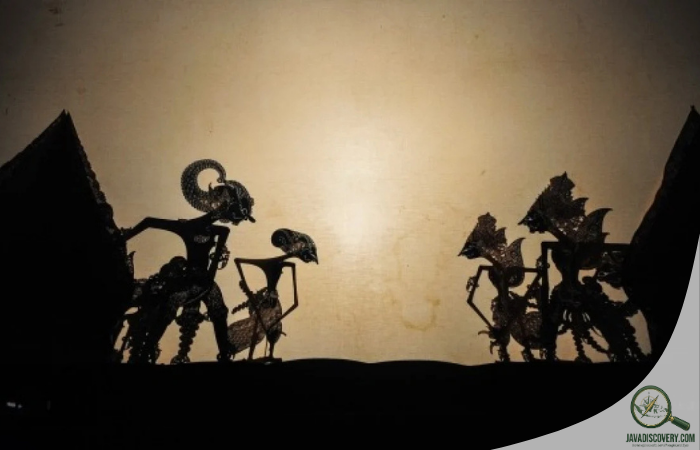
javadiscovery.com – As the flickering oil lamp casts moving silhouettes on a white cotton screen, the air fills with the hypnotic sound of gamelan. Behind the screen, the dalang—the puppet master—brings to life an ancient universe where gods, demons, and humans share the same fragile thread of fate. This is wayang kulit, the Javanese shadow puppetry, where philosophy and performance merge into one of the most profound art forms in Indonesia.
Origins and Symbolism of Wayang Kulit
Wayang kulit has existed for more than a thousand years, evolving from India’s epic traditions of the Mahabharata and Ramayana, yet transforming into something uniquely Javanese. The term “wayang” itself means “shadow” or “imagination,” symbolizing the human soul navigating between light and darkness. Each performance represents the eternal struggle between good and evil, while also teaching that both must coexist to maintain universal balance.
The puppets, carved from buffalo hide and painted with vibrant colors, embody more than characters—they represent aspects of human nature. The flat figures’ shadows projected on the screen remind us that what we see is not always what truly exists, echoing the Javanese belief that life is an illusion, or maya.
The Dalang as a Philosopher
The dalang is far more than a performer; he is a philosopher, priest, and moral guide. Through his mastery of hundreds of stories, songs, and ancient verses, the dalang teaches values of humility, patience, and righteousness. He voices dozens of characters, controls the rhythm of the gamelan, and interprets universal truths hidden within the plot. In the Javanese worldview, he acts as a mediator between the visible world (jagad cilik) and the invisible cosmos (jagad gede).
The Cosmic Stage – Layers of Javanese Philosophy
Every wayang kulit performance is a reflection of Javanese philosophy. The stories are not merely entertainment; they are lessons in existence. Three central concepts are deeply woven into the narrative:
Rwa Bhineda – The Principle of Duality
This idea teaches that life consists of opposing yet complementary forces: joy and sorrow, right and wrong, light and shadow. Without conflict, harmony cannot exist. The screen itself becomes a metaphor for this duality—the light behind it symbolizes divine truth, while the shadows reflect human experience.
Manunggaling Kawula Gusti – Unity of Human and Divine
Characters like Arjuna’s journey toward enlightenment embody the quest for harmony between the self (kawula) and the Creator (Gusti). The Javanese believe that through self-control, humility, and devotion, one may achieve unity with the divine essence.
Sangkan Paraning Dumadi – The Origin and Purpose of Life
This teaching invites reflection on where we come from and where we are destined to return. The wayang play becomes a symbolic cycle of life, reminding audiences of the impermanence of worldly desires and the importance of inner wisdom.
Lessons Behind the Shadows
Every performance carries moral lessons wrapped in humor, satire, and song. The clown-servant characters—Semar, Gareng, Petruk, and Bagong—represent the voice of the people and the wisdom of simplicity. Semar, though humble and comical, is a divine guardian who reminds humans that truth often hides behind laughter.
Through battles and dialogues, audiences learn about loyalty, leadership, and destiny. Heroes like Arjuna are admired not for their victories but for their spiritual discipline and restraint. Even the antagonists—Rahwana or Duryodhana—reflect our own inner conflicts, reminding us that the struggle between good and evil is within ourselves.
Preserving the Wisdom in Modern Times
Today, many dalang reinterpret these ancient tales to address modern issues—social justice, environmental awareness, and political integrity—while maintaining the sacredness of their philosophy. In cities like Yogyakarta and Surakarta, wayang kulit remains a living dialogue between past and present, where ancient wisdom still speaks to the hearts of modern Javanese society.
When Shadows Illuminate the Soul
Wayang kulit continues to enchant not only as an art form but as a way of seeing life itself. In every flicker of light and movement of shadow lies a message about balance, humility, and destiny. The performance teaches that understanding ourselves is the first step toward understanding the universe.
In a world of fleeting images and fast-changing truths, the timeless philosophy of Javanese shadow puppetry reminds us that sometimes, the deepest light is found in the shadows.