Java Is Not Quiet It Speaks Softly

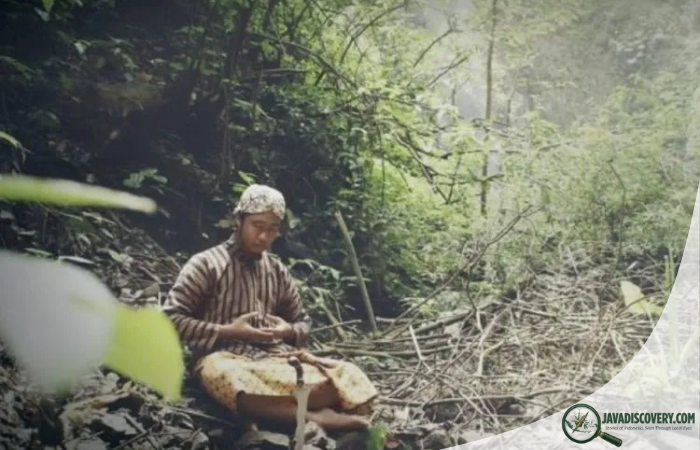
javadiscovery.com – At first glance, Java can seem restrained. Its villages move without spectacle. Its ceremonies unfold without dramatic proclamation. Even its landscapes, though crowned with volcanoes and edged by restless seas, carry themselves with composure. Visitors who arrive expecting noise may mistake this composure for silence. But Java is not quiet. It speaks softly.
Its voice is present in the measured cadence of language, in the pause before response, in the steady rhythm of a gamelan ensemble echoing into night. It resides in the rustle of rice stalks brushed by wind and in the careful etiquette exchanged between neighbors. To hear Java requires attentiveness. It requires slowing down.
The Language of Restraint
In Central Java, conversation rarely begins abruptly. Greetings are extended gently, often accompanied by a slight bow of the head. The Javanese language itself contains layers of politeness that shape how thought is expressed. Ngoko, the informal register, flows among peers. Krama, refined and respectful, rises when addressing elders or strangers.
“Words carry weight,” says Bu Lestari, a literature teacher in Solo. “If you speak too directly, you may hurt someone without intending to.”
This linguistic architecture encourages reflection before speech. Silence, in this context, is not absence but consideration. A pause can signal respect. A softened tone can preserve harmony.
Across tea stalls and family kitchens, discussions about politics, faith, and community unfold in measured exchanges. Even disagreement is often wrapped in courtesy. The island’s voice is calibrated to maintain balance.
Gamelan and the Music of Subtle Power
On a humid evening in Yogyakarta, bronze gongs shimmer beneath dim lights inside an open pavilion. Musicians sit cross-legged, their mallets poised. The first note does not demand attention. It emerges gently, almost tentative. Then another answers. Metallophones weave intricate patterns, layered yet restrained.
Gamelan music is rarely aggressive. Its tempo can be unhurried, its melodies cyclical. Yet its emotional depth is profound. The resonance of each gong lingers, vibrating in the chest long after contact.
“It teaches patience,” explains Pak Wiryo, a senior musician who has played since childhood. “You must listen to others before striking your note.”
The ensemble functions as a metaphor for social life. No single instrument dominates. Harmony arises from attentiveness and restraint. Java speaks through collective rhythm.
Mountains That Murmur
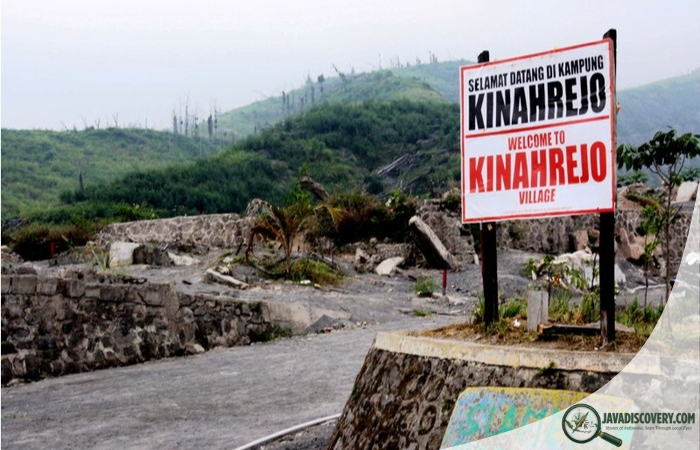
Volcanoes define Java’s geography. Merapi in the north, Semeru in the east, Slamet rising from Central Java’s forests. They are capable of thunderous eruption, yet for most of the year they loom quietly against the sky.
At dawn on the slopes of Merapi, mist clings to pine trees. The mountain exhales faint plumes of steam, subtle reminders of molten forces below. Farmers cultivate vegetables on its fertile flanks, trusting yet cautious.
“We live with the mountain,” says Pak Hadi, who grows cabbages near Kaliurang. “It gives us soil. Sometimes it asks us to leave.”
The mountain does not shout daily. It murmurs through tremors, through the scent of sulfur, through ash dusting leaves after minor activity. Residents listen carefully. Early warning signs are read like whispered messages.
Markets and the Poetry of Everyday Exchange
In traditional markets across Java, commerce unfolds with subdued intensity. At Pasar Beringharjo in Yogyakarta, vendors arrange batik cloth in cascading colors. In Surabaya’s morning fish market, silver bodies glisten atop crushed ice. Bargaining is animated yet rarely confrontational.
“If you push too hard, you break trust,” says Mbak Sari, who sells spices in Semarang. Her fingers move swiftly through heaps of turmeric and coriander. “Better to speak kindly and return tomorrow.”
The market hums rather than roars. Transactions are accompanied by smiles, small talk, shared jokes. Sound rises and falls like tide, never overwhelming. The economy here operates on relationship as much as currency.
Ritual Without Spectacle
Java’s rituals often unfold with understated dignity. During a village slametan, men gather on woven mats around a simple arrangement of rice and side dishes. Prayers are spoken softly. There is no dramatic crescendo, only collective focus.
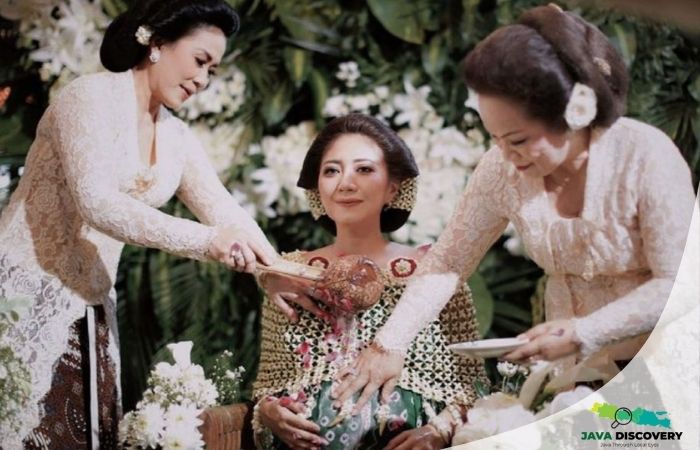
At a mitoni ceremony marking the seventh month of pregnancy, jasmine water trickles over hands in gentle arcs. Laughter flickers between solemn blessings. The atmosphere is intimate, grounded.
Even during the grand Grebeg festival in Yogyakarta, when offerings shaped like mountains of produce are paraded from palace to mosque, the mood carries reverence rather than spectacle. The crowd watches attentively. When the offerings are finally dispersed, people gather pieces quietly, believing them to carry blessing.
Java’s cultural expressions seldom demand applause. They invite participation through presence.
The Architecture of Modesty
Traditional Javanese houses reflect this ethos. The joglo roof rises in elegant tiers, supported by wooden pillars carved with subtle motifs. Interiors remain open, encouraging airflow and communal interaction. Decoration exists, yet it rarely overwhelms structure.
The pendopo pavilion stands as both civic and cultural heart in many villages. Without walls, it symbolizes openness. Meetings, performances, and communal decisions unfold here without amplification. Voices carry naturally through shared space.
In cities, modern architecture climbs higher, yet even skyscrapers often coexist with kampung neighborhoods where narrow alleys and low houses preserve older rhythms. Urban expansion has not entirely drowned local texture. It layers over it.
Faith in Daily Gestures
The call to prayer threads through Java five times a day. Its melody floats above traffic, across rice fields, into office towers. The volume may vary, but the cadence remains consistent.
In some homes, incense burns quietly before framed photographs of ancestors. In others, Qur’anic verses are recited in hushed study. Christian churches in Central Java fill with hymns on Sunday mornings, their congregations singing in harmonies that echo through modest sanctuaries.
Faith here is rarely theatrical. It is habitual, integrated into routine. Spirituality manifests in lowered gazes, in hands pressed together in greeting, in the reflexive phrase of gratitude uttered before meals.
Youthful Voices in a Changing Tone
Java’s younger generation navigates digital soundscapes that contrast with traditional restraint. In Bandung’s creative districts, indie music spills from cafes. Street art blooms in bright defiance against concrete walls. University students debate policy in animated forums.
Yet even amid this energy, echoes of inherited softness remain. Online arguments often circle back to appeals for harmony. Student demonstrations, though passionate, frequently incorporate cultural performance and symbolic gesture rather than raw aggression.
“We speak louder than our grandparents,” admits Raka, a sociology student in Jakarta. “But we still believe in balance.”
The Sound of Rice Fields at Dusk
As afternoon fades in rural Central Java, the rice fields begin to whisper. Wind threads through stalks, producing a low, continuous rustle. Frogs begin their evening chorus. Smoke curls from kitchen fires as women prepare dinner.
The scene contains sound, yet it is gentle. The island’s voice resides in these transitional hours. It does not impose itself. It waits for attentive ears.
An elderly man sits on his veranda, sipping tea. Children chase each other along narrow paths. A motorcycle passes, its engine briefly interrupting the calm before receding into distance. Life continues in measured pulses.
Listening as Cultural Practice
To understand Java requires learning to listen beyond volume. The island communicates through nuance. Through the angle of a bow. Through the careful choice of vocabulary. Through the slow unfolding of ceremony.
Western narratives often equate power with projection, influence with amplification. Java suggests another model. Strength can reside in restraint. Authority can speak softly and still be heard.
This is not to romanticize silence. Java contains protest, frustration, and debate. It has endured colonization, revolution, economic upheaval. Its cities vibrate with ambition. Yet beneath turbulence lies a cultural preference for equilibrium.
When conflict arises, mediation often occurs through intermediaries rather than confrontation. When celebration unfolds, joy is expressed collectively rather than individually amplified. The island’s speech patterns mirror its social structures.
The Soft Voice That Endures
Night descends over Yogyakarta. Street vendors light small lamps beside carts of noodles and grilled corn. Conversations ripple gently across sidewalks. Somewhere, a gamelan rehearsal continues behind wooden doors. The metallic notes shimmer, then fade.
Java is not silent. It hums with layered voices. It murmurs through markets and mountains, through ritual and routine. Its softness is deliberate, cultivated over centuries of philosophical reflection and communal negotiation.
To hear it is to slow one’s own pace. To lower one’s volume. To recognize that meaning often resides between words rather than within them.
Java does not shout to assert identity. It speaks softly, confident that those willing to listen will understand.