Secret Hot Springs Mount Salak Geothermal Sanctuaries Rainforest

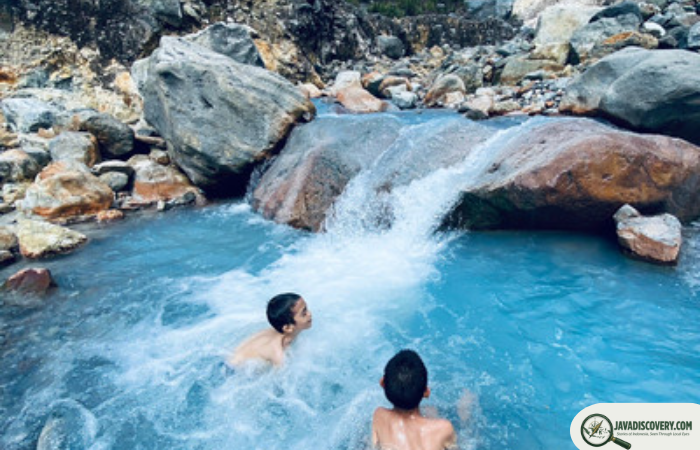
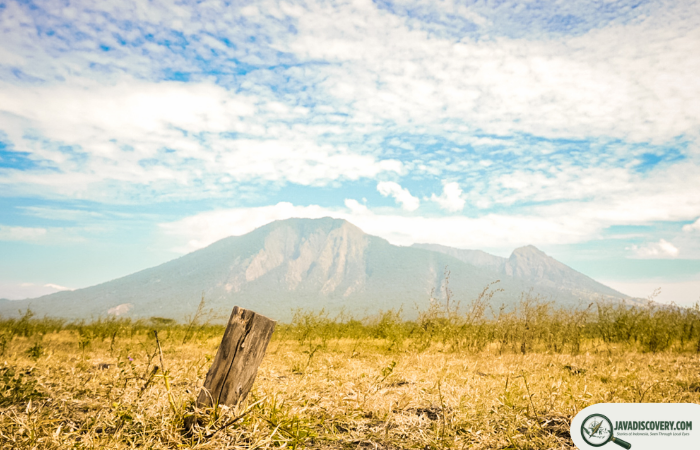
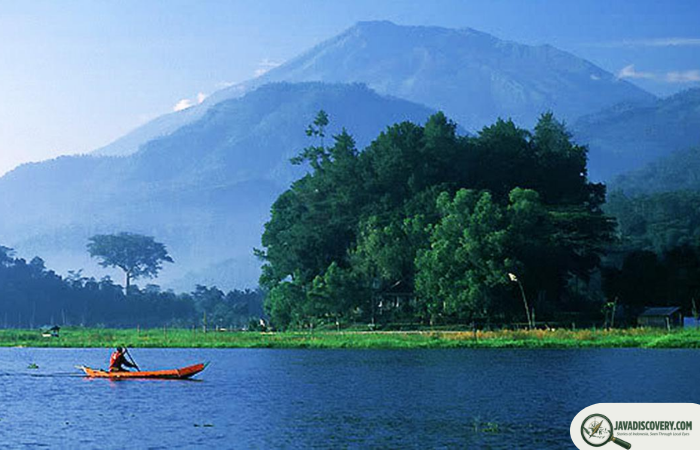
javadiscovery.com – Rising steeply over the misty border between Bogor and Sukabumi Regencies in West Java, Mount Salak (2,211 meters)—derived from the Sanskrit word Salaka, meaning “silver”—has long held a formidable reputation in Javanese geographical lore. Known for its dense, moss-draped primary rainforests, treacherous ridge topography, and sudden cloud inversions, Salak is a deeply revered volcanic massif. Beneath its humid canopy lies an active, highly pressurized geothermal heart. While casual weekend travelers frequent the developed thermal baths on the mountain’s outer margins, the deep interior of Mount Salak harbors a hidden network of secret, unmapped hot springs (*kawah* and *air panas alami*). Tucked inside river gorges, steaming moss-covered ravines, and secluded rainforest basins, these natural geothermal sanctuaries serve as vital ecological vents, sacred healing sites, and quiet retreats for those who venture beyond the marked trails.
Exploring the secret hot springs of Mount Salak unveils a world where subterranean volcanic thermodynamics, high-biodiversity rainforest ecology, and ancient Sundanese water mysticism harmonize.
Geothermal Thermodynamics of the Salak Volcanic Massif
Mount Salak is part of a complex quaternary volcanic complex that includes extensive geothermal reservoirs beneath the Mount Halimun Salak ecosystem. The presence of these hidden hot springs is a direct result of the mountain’s active subsurface geology:
- Deep Fault-Line Conduits: Fractures and fault lines crisscrossing Salak’s volcanic edifice allow rainwater absorbed in upper cloud forests to percolate deep into the earth, where it is heated by underlying magma chambers. The superheated, mineral-rich water is then forced back up to the surface under pressure through narrow riverbed fissures.
- Kawah Ratu and Thermal Outflows: The prime thermal engine of the massif is Kawah Ratu (The Queen’s Crater), a massive active crater basin located high in the forest interior. Streams flowing out from the crater zone carry sulfur, silica, calcium, and iron down steep forest ravines, creating hot, steaming rivers and cascading thermal pools (*curug panas*) hidden within dense foliage.
- Natural Mineral Chemistry: Unlike artificial thermal pools, Salak’s secluded hot springs feature varying chemical compositions depending on the surrounding rock strata—ranging from clear, alkaline thermal springs to milky, sulfur-rich pools that coat river stones in natural volcanic clay.
High-Biodiversity Microclimates: The Rainforest Hot Spring Ecosystem
The intersection of freezing high-altitude mountain air, high rainfall, and localized geothermal heat creates extraordinary microclimates around Mount Salak’s hidden hot springs:
- Geothermal Oasis for Flora: The constant warmth and rising steam create year-round high-humidity pockets where tropical vegetation flourishes with remarkable intensity. Rare epiphytic orchids, giant tree ferns, and endemic mosses cover the surrounding banks, thriving on the mineralized water vapor.
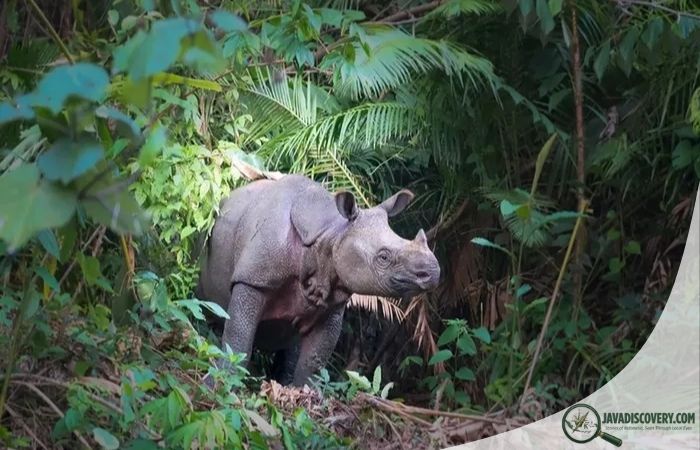
- Refuge for Rare Wildlife: In the quiet, unvisited stretches of Mount Halimun Salak National Park, these warm spring banks serve as vital salt licks and heating grounds for endemic wildlife. Endangered Javan gibbons (*Hylobates moloch*), Javan surilis (*Presbytis comata*), leopards, and wild boars regularly visit the warm river margins to lick mineral deposits or forage in the lush thermal undergrowth.
Sundanese Water Mysticism and Natural Healing
In local Sundanese cultural belief, thermal springs originating from deep within sacred mountains like Salak are regarded not merely as natural phenomena, but as living, spiritual waters (*cai kahuripan*) imbued with natural energy (*caang*):
- Syukuran and Ritual Bathing (*Nyirum*): Indigenous communities living around Salak’s lower slopes have long practiced ritual thermal bathing to cleanse the physical body and ward off negative energies. Local healers (*kokolot*) recommend bathing in specific sulfur-rich rainforest springs to cure skin ailments, joint pain, and chronic fatigue.
- Guardians of the Thermal Streams (*Hyang Salaka*): Traditional taboos (*pamali*) strictly govern access to the secret springs. Visitors are required to maintain quietude, avoid littering, and refrain from using artificial soaps or chemicals in the natural pools, ensuring the geothermal water remains pristine for both wildlife and downstream communities.
Preserving the Wilderness Integrity of Mount Salak
While geothermal power production operates in designated industrial zones around Salak’s perimeter, the deeper, wild thermal streams within the national park boundary remain protected under strict conservation laws. Balancing ecological preservation with sustainable eco-trekking is essential to protect these fragile rainforest sanctuaries from over-commercialization and habitat destruction.
The secret hot springs of Mount Salak stand as timeless geothermal sanctuaries—hidden, steaming jewels embedded in West Java’s wilderness, where the earth’s fiery interior gently warms the heart of the rainforest.