30×30 Indonesia and the Young Leaders Restoring the Ocean

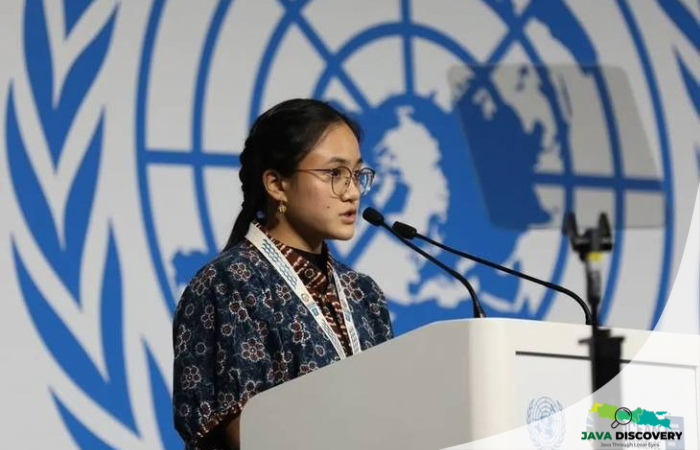
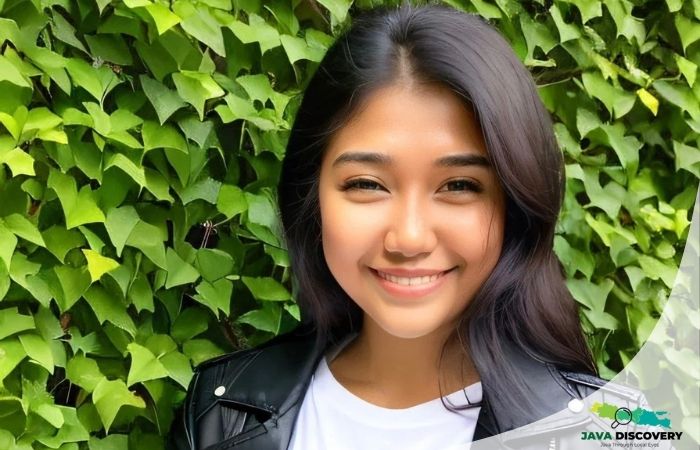
javadiscovery.com – 30×30 Indonesia began with a simple idea from a 17-year-old student who believed that young people could help restore the ocean. Today, that idea has grown into one of the most inspiring youth-led conservation movements in the country. At its center is Brigitta Gunawan, a young environmental advocate determined to bring the global 30×30 vision to Indonesia.
The Rise of 30×30 Indonesia and Its Young Founder
Brigitta launched 30×30 Indonesia in 2021 when she was only 17. Her inspiration came from the global 30×30 Initiative, a commitment adopted in the Kunming–Montreal Global Biodiversity Framework by 190 countries. The framework set an ambitious goal: protect 30 percent of the world’s land, freshwater, and ocean by 2030.
For the ocean, this means tripling the area of protected marine zones. For Indonesia, the world’s largest archipelagic nation, it represents an opportunity and a responsibility. Brigitta saw this as her generation’s call to action.

“We are connected to the ocean even when we live in cities. No action is too small,” she said.
What 30×30 Indonesia Works For
Brigitta describes the movement as working across three pillars: education, policy advocacy, and habitat restoration. But the reality of their work extends far beyond those categories.
The team visits schools, organizes ocean literacy programs, hosts public webinars, and works directly with local communities. One of their most hands-on efforts is coral restoration in Tulamben, Bali, where they collaborate with dive communities to rehabilitate reef structures.
“I try to involve youth and communities in interacting with science and speaking up for global goals,” Brigitta explains.
Youth Engagement and Global Recognition
Brigitta’s message has reached global forums. She has spoken at the UN Ocean Conference, the Asia Parks Congress, and the Global Innovation Lab UNLEASH. Her work has earned major recognitions including the National Geographic Young Explorer award and the Ocean Awards Young Initiative by the Blue Marine Foundation.
She has also built networks with environmental organizations in Australia, emphasizing that conservation is a cross-border and cross-generation effort. Social media plays a key role in her outreach. Through the hashtag #30x30Indonesia, her growing youth community shares campaigns, educational content, and updates from different regions across the archipelago.
Community Science as a Tool for Conservation
One of the most unique aspects of 30×30 Indonesia is its use of community science, also known as citizen science. Instead of leaving data collection only to experts, the movement empowers local residents to gather and analyze environmental data.
Brigitta and her team test water quality in rivers, lakes, and even bottled drinking water to identify pollution patterns. The data is then mapped to locate potential contamination sources.
“With community science data, we can see polluted areas and trace possible origins,” she says.
The Coral Garden Shaped as “30×30” in Tulamben
Among their most striking initiatives is a coral garden shaped like the number “30×30” on the seabed of Tulamben, Bali. The project was carried out with PPLH Bali and Jaladharma (a local diving club), and it has become both a restoration effort and a conversation starter.
Since 2022, divers have helped plant coral fragments on structures arranged to form the iconic numbers. Instructors, visiting divers, and community members frequently ask about the design—an opening for meaningful discussions on marine protection and the global 30×30 vision.
“Seeing that coral garden often leads people to ask what 30×30 means, and that’s where deeper learning begins,” Brigitta says.
Diverseas and the Power of Virtual Reality Education
Through another initiative called Diverseas, Brigitta introduces ocean experiences to people without bringing them to the coast. Using Virtual Reality (VR) with 360° underwater simulations, viewers can feel as if they are diving among coral reefs.
She describes it as emotional visual education—an approach meant to build empathy through immersion. A 2021 study in Frontiers in Virtual Reality found that VR can increase environmental empathy by up to 27 percent, a finding that strengthens the movement’s mission.
“When I first snorkeled in a marine protected area, I understood how important it is to protect the ocean,” Brigitta recalls. That experience reshaped her perspective from ‘one day’ to ‘day one’—not someday, but today is the beginning.
The work of 30×30 Indonesia shows that meaningful ocean conservation can begin with a simple spark of youth leadership, then grow into a movement that bridges education, science, technology, and community action.