Gunung Gede Geothermal Project Sparks Public Opposition

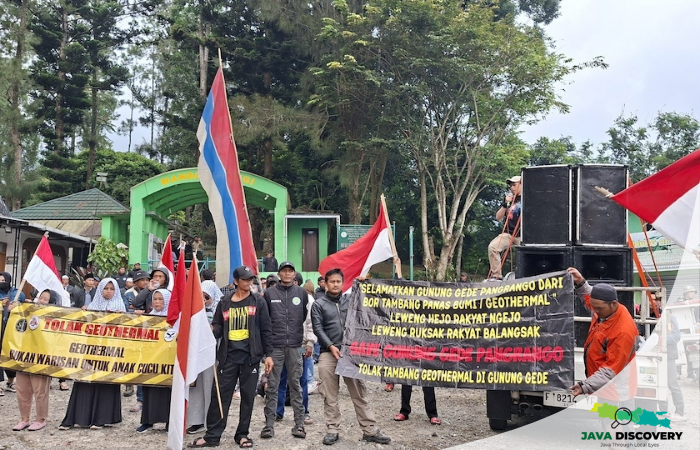
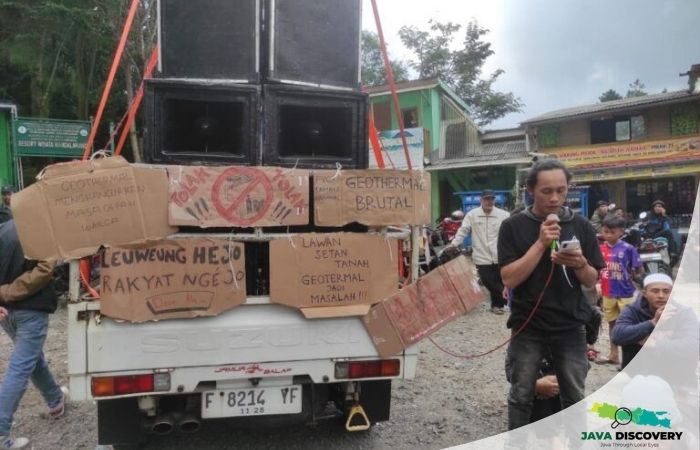
javadiscovery.com – The Gunung Gede geothermal project has its origins several years ago, when early feasibility studies were introduced to explore the mountain’s geothermal potential as a renewable energy source. From the beginning, the proposal was met with concern, especially among communities living around Mount Gede Pangrango who feared environmental disruption, loss of ecological balance, and the threat of restricted access to natural areas that support tourism and local livelihoods.
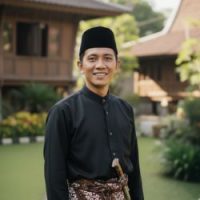
These concerns resurfaced and intensified after a viral video featuring Cianjur Regent M. Wahyu circulated widely across social media. The short clip, recorded during a campaign visit in Pacet, captures Wahyu declaring a firm stance against the project. His message was straightforward: the region’s natural tourism should be strengthened as an alternative to geothermal exploitation.
Why Residents Oppose the Geothermal Proposal
Many residents living at the foot of Mount Gede Pangrango fear that a large-scale geothermal development could lead to long-term ecological damage. The mountain is part of one of Java’s most important conservation zones, known for its dense forest, endemic flora and fauna, and fragile hydrological systems. Locals worry that drilling sites or geothermal infrastructure might affect water sources, hiking routes, and farming areas.

For communities that depend on tourism, any disruption could mean a direct decline in income. Ecotourism, agro-tourism, and nature-based recreation are among their most stable economic pillars. The idea of replacing these with an industrial operation is seen by many as a threat rather than progress.
Inside the Viral Video of the Cianjur Regent
The viral statement by Wahyu has become a focal point of public discussion. In the clip, he confidently declares, “We will resist geothermal with our natural tourism,” highlighting the mountain’s enormous potential if managed in a sustainable way. His tone reflects a strong commitment to prioritizing nature and the local population.
A Pacet resident, Ujang Muhammad, confirmed that the video was recorded during Wahyu’s visit to the village. While appreciating the Regent’s message, Ujang also expressed a pointed reminder from the community: “Don’t just talk. Prove it.” His words echo a broader sentiment among residents who want assurance that political promises will be translated into concrete action.
The Regent Responds and Reaffirms His Commitment
When approached separately regarding the video, Regent Wahyu did not deny its authenticity. He reiterated that preserving the welfare of residents and the mountain’s ecosystem is a central priority of his administration. “We are working our best for the people,” he said, emphasizing that protecting Gunung Gede Pangrango must be aligned with long-term environmental considerations.
He also stated that the Cianjur Government intends to reopen communication with the central government. Their goal is to ensure that any future activities within the Mount Gede Pangrango area will not harm the surrounding communities or the ecosystem. According to Wahyu, decision-making must always be guided by what benefits both people and the environment.
Potential Impacts on Nature and Local Livelihoods
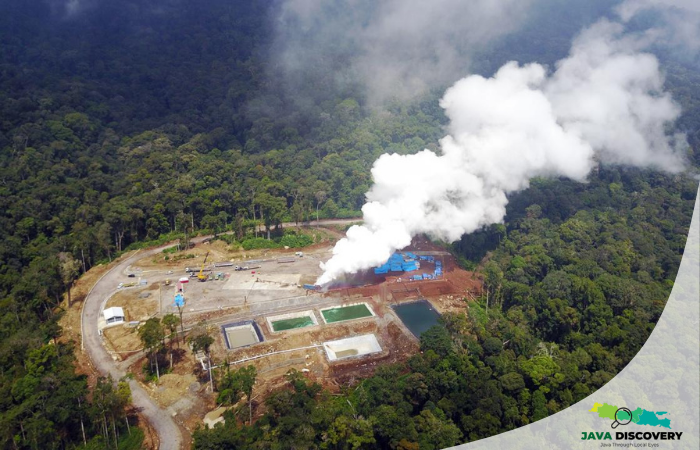
Environmental groups and local observers argue that the Gunung Gede geothermal project could introduce significant changes to the region. Beyond the risk of deforestation and soil instability, geothermal development may alter wildlife habitats and water cycles. Mount Gede is a vital water catchment area, feeding rivers and farmlands across Cianjur, Sukabumi, and Bogor.
Tourism stakeholders also warn that industrialization within the national park boundary could reduce visitor interest, affecting guides, homestays, food vendors, and rural communities whose income depends on nature-based tourism.
A Debate Between Energy Development and Conservation
Indonesia’s push for renewable energy is a national priority, and geothermal power is often touted as a clean and promising source. However, the controversy surrounding the Gunung Gede geothermal project shows how complex the balance between energy demand and nature conservation can be. For many residents, the mountain’s value as a protected ecosystem and tourist destination far outweighs its potential as an industrial site.
As discussions continue between the regional government and central authorities, the future of Gunung Gede Pangrango remains under close public attention. For now, the viral message of the Cianjur Regent has amplified the voices of communities who wish to safeguard one of West Java’s most important natural landscapes.
The debate highlights a deeper question for Java’s future: how can development and environmental stewardship coexist without compromising the identity and well-being of local communities?