Multatuli in Java and the Book That Shook Colonial Power


javadiscovery.com – Multatuli in Java represents one of the most influential moments in the literary and political history of the Dutch East Indies. Long before the rise of Indonesian nationalism, a Dutch writer—born Eduard Douwes Dekker—chose to expose the deep inequalities he witnessed while serving in the colonial administration on the island of Java. His writings forced Europe to confront a reality it had long ignored.
Who Was Multatuli?
Eduard Douwes Dekker was born in Amsterdam in 1820 and spent much of his early life surrounded by the cultural richness of the Dutch capital. But the opportunities that attracted young Dutch intellectuals at the time lay not at home, but in the expanding colonies. Ambitious and spirited, he joined the Dutch colonial civil service, driven by a desire to build a respectable career overseas.
He adopted the pen name Multatuli, a Latin phrase meaning “I have suffered much.” The name was not a rhetorical flourish. It reflected his personal struggle against a colonial bureaucracy that resisted reform and protected privilege.

Yet behind the frustrations of his career, Multatuli also saw something more troubling: the silent suffering of the Javanese people living under forced cultivation and rigid colonial hierarchy.
How His Experiences in Java Shaped His Vision
Multatuli’s most defining years were in the western part of Java, particularly in Lebak, Banten. The region, covered with thick forests and surrounded by rugged hills, was home to communities who lived under the authority of both colonial officers and local aristocracy. It was here that Multatuli was appointed Assistant Resident—a significant administrative position.
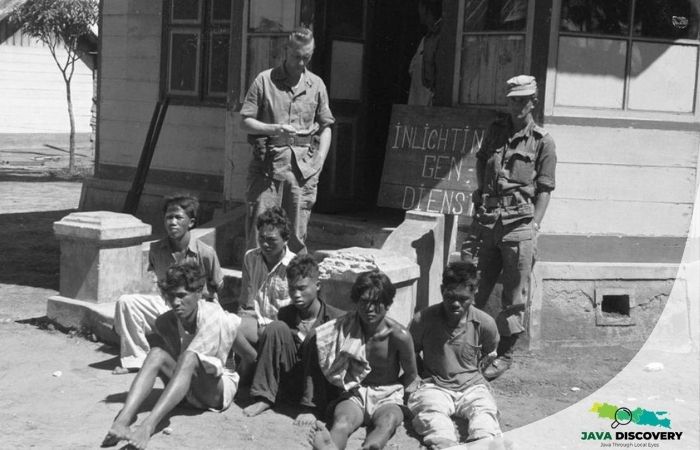
He quickly realized that the colonial ideals he had imagined—justice, order, enlightened governance—did not exist in practice. Instead, he encountered a harsh system of exploitation. Villagers were required to grow cash crops such as coffee and deliver them to colonial warehouses, often leaving little time or land for growing food for their own families. Many fell into debt or hunger.
The local regent, protected by colonial interests, demanded labor and tribute beyond the mandated rules. When Multatuli attempted to report these abuses, he was met with silence and obstruction. Rather than addressing the injustices, the colonial government preferred maintaining stability and economic profit.
This clash between principle and reality ignited Multatuli’s determination to expose the truth, even if it meant losing his position, reputation, and financial security.
The Making of Max Havelaar
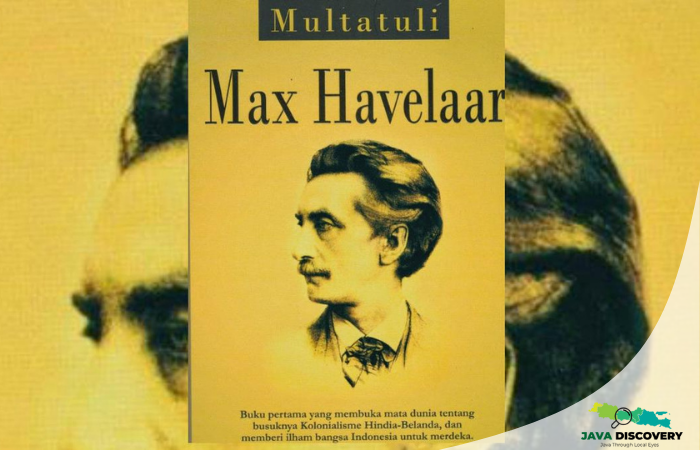
After resigning from his post, Multatuli moved to Europe with a burning sense of responsibility. He believed that only by reaching the Dutch public could he initiate change. In 1859, while living in Brussels, he poured his experiences into a novel that combined personal testimony, satire, and political critique.
The result was Max Havelaar, or the Coffee Auctions of the Dutch East Indies, published in 1860. The book follows the story of Max Havelaar, a Dutch colonial official who attempts to confront local and colonial authorities over the suffering of Javanese villagers. Through this character, Multatuli gave voice to the silenced—farmers forced into endless labor, families torn by hunger, and communities trapped within a system designed to enrich distant powers.
The narrative style was revolutionary for its time. It mixed bureaucratic documents, fictional dialogues, personal reflections, and biting satire. Multatuli didn’t simply tell a story; he dismantled the myths of benevolent colonialism.
Why Max Havelaar Shocked Europe
When Max Havelaar appeared in Dutch bookstores, it disrupted the image of the Dutch East Indies as a profitable and orderly colony. Multatuli directly challenged the moral legitimacy of the colonial enterprise. He accused Dutch administrators—both in Java and in The Hague—of ignoring human suffering in pursuit of wealth. He described how enormous profits from coffee auctions in Amsterdam were built on the toil of Javanese peasants.
European readers were stunned. Some praised the book as a courageous act of truth-telling. Others dismissed it as an exaggerated attack on Dutch honor. Newspapers debated its reliability. Politicians condemned or defended him. But one thing was undeniable: Multatuli forced Europe to look beyond its comfortable illusions.
The controversy grew so intense that Max Havelaar quickly became one of the most discussed books in nineteenth-century Dutch literature.
Multatuli’s Legacy in Indonesia
Though he did not live to see Indonesia’s independence, Multatuli’s influence continued long after his death. Max Havelaar became a foundational text for early Indonesian thinkers. It circulated among educated youth, teachers, and journalists—groups that would become central to the nationalist movement.
Writers like Tirto Adhi Soerjo admired his bravery. Kartini, the Javanese noblewoman whose letters inspired women’s emancipation, read his works with great interest. Even leaders of the early independence movement recognized Multatuli as one of the first voices to challenge the colonial order from within.
To this day, Indonesian readers encounter Multatuli not only as a European author, but as a witness who documented the lived realities of their ancestors.
Visiting Multatuli’s Historical Footprint in Java
Modern travelers exploring Java can still trace Multatuli’s legacy. In Rangkasbitung, Banten, the Multatuli Museum stands as a cultural landmark dedicated to his life and writings. The museum, located close to the very region where he once served, presents historical archives, letters, and multimedia exhibits that bring his world to life.
Visitors can also walk through rural landscapes that echo the settings described in Max Havelaar: river valleys where farmers once delivered coffee crops, villages that were shaped by colonial structures, and quiet hills that hold stories rarely told in European history books.
More than a writer, Multatuli became a conscience. His words outlived the era he described, reminding us that literature can expose injustice, challenge power, and open the door to change—even across continents.