Exploring Mount Gede Pangrango National Park

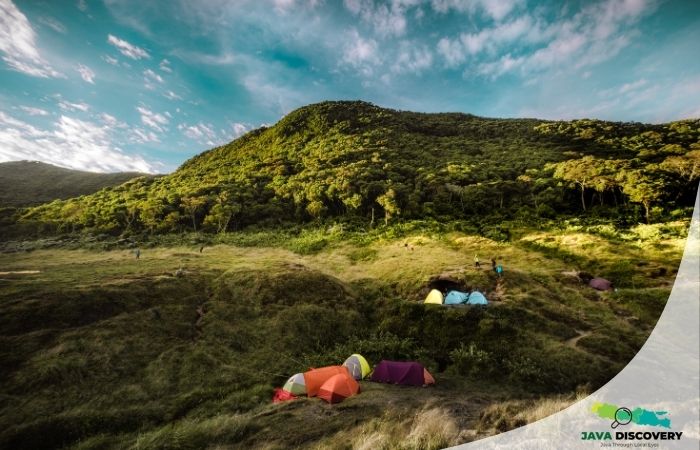
javadiscovery.com – Nestled in the heart of West Java, Mount Gede Pangrango National Park stands as one of Indonesia’s most treasured natural sanctuaries. Rising side by side like ancient guardians, Mount Gede and Mount Pangrango are more than just twin volcanoes — they are the living lungs of Java, draped in clouds, forests, and myths. Every trail here whispers the story of the island’s natural evolution, inviting explorers to walk through centuries of geological and biological wonder.
The Twin Giants of West Java
At dawn, a thin veil of mist curls around the twin peaks of Gede and Pangrango, their silhouettes emerging like sleeping titans. Located just a few hours from Jakarta, the national park offers a striking contrast to the urban sprawl — a realm where cool air, mossy trails, and distant bird calls replace the city’s clamor. Locals often say that these mountains are the “lungs” of Java, purifying the air and feeding the rivers that sustain life across the island.
A Natural Laboratory of Biodiversity
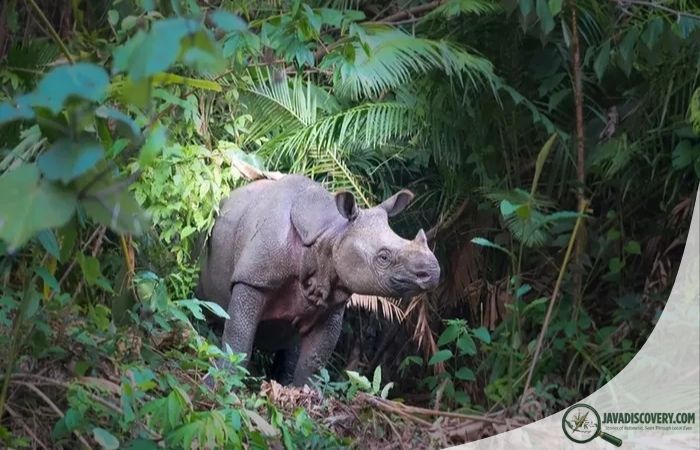
Declared a UNESCO Biosphere Reserve, Mount Gede Pangrango National Park is home to an extraordinary diversity of species. Its ecosystems range from dense tropical rainforest to subalpine meadows, nurturing over 200 bird species and countless endemic plants. Among the forest canopy swing the endangered Javan gibbons, their haunting calls echoing through the morning mist. Below, orchids, giant ferns, and the legendary Edelweiss flower — known locally as “bunga abadi,” or the eternal flower — bloom in fragile perfection.

The Trails of Discovery
Three main trails lead to the summit, each offering a unique experience. The Cibodas Trail is the most popular, meandering past the Cibeureum Waterfall and the natural hot springs of Air Panas before reaching the Kandang Badak plateau. The Gunung Putri Trail, shorter but steeper, rewards climbers with a breathtaking sunrise over the valleys of Sukabumi. Meanwhile, the Selabintana Trail remains the quietest path — an intimate route favored by birdwatchers and solitude seekers.
Hot Springs, Waterfalls, and Craters
Few places in Java offer such a dramatic blend of elements. Hikers often pause at Cibeureum Waterfall, where cold mountain water crashes into red-stained rocks covered in moss. Higher up, the Air Panas hot spring steams gently in the chilly air — a reminder of the volcanic fire that breathes beneath. And at the crater rim of Mount Gede, the land transforms into a stark, otherworldly panorama of fumaroles and sulfur vents, marking the island’s restless geological heart.
Historical Footprints of Early Explorers
Long before modern trekkers arrived, European naturalists like Franz Wilhelm Junghuhn, C.G.C. Reinwardt, and Melchior Treub explored these mountains in the 19th century. Their meticulous records helped establish Mount Gede Pangrango as the birthplace of botanical science in Indonesia. Many plant species first identified here continue to bear the park’s name — living testaments to its scientific legacy.
Conservation and Modern Challenges
Today, the park faces modern pressures — from littering to the growing popularity of weekend tourism. Yet, ongoing conservation programs led by the Mount Gede Pangrango National Park Authority focus on sustainable visitor management, education, and habitat restoration. Local communities and guides play an essential role, promoting eco-conscious tourism that ensures the mountain’s delicate balance endures.
Visiting Responsibly
Travelers must secure official permits before entering the park, especially during the hiking season (typically June to October). Weather can change quickly, so proper gear and physical preparation are essential. Visitors are encouraged to follow the “leave no trace” principle, respect wildlife, and avoid picking plants or disturbing the ecosystem. A smile and a polite greeting in Bahasa Indonesia — “selamat pagi” or “terima kasih” — go a long way in showing respect to local guides and villagers.
Closing Reflection
Standing at the crater rim of Mount Gede, watching the mist roll over Pangrango’s slopes, one cannot help but feel the pulse of Java itself — ancient, enduring, and alive. Here, fire meets forest, and silence holds the wisdom of centuries. To explore this park is to glimpse the island’s soul — a reminder that nature’s greatest gift is not just its beauty, but its power to humble and renew those who listen.