The Ecology of Bamboo Forests in Java and Hidden Life

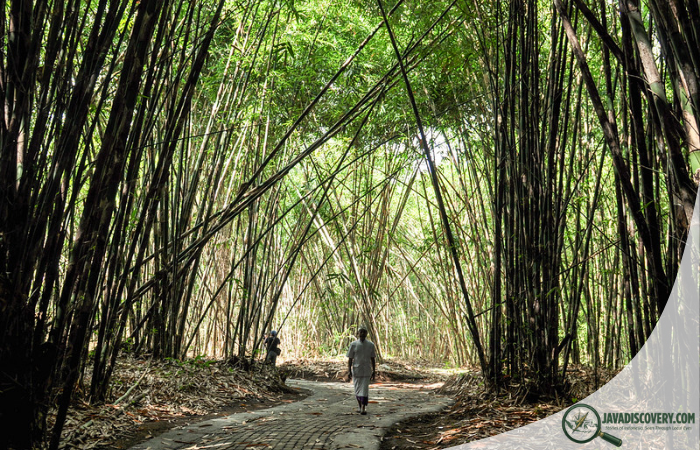
javadiscovery.com – At the edge of many villages in Java, bamboo forests rise in dense clusters, their tall green stalks swaying gently with the wind. The sound is unmistakable. Hollow stems knock softly against one another, creating a low, rhythmic music that blends with the rustling of leaves above. Sunlight filters through narrow gaps, casting shifting patterns across the forest floor. Beneath this calm surface lies a complex ecological system, one that quietly sustains soil, water, wildlife, and human life.
Often overlooked in favor of towering rainforests or volcanic landscapes, bamboo forests form an essential part of Java’s ecological fabric. These fast growing plants create environments that support biodiversity, regulate water systems, and protect fragile terrain from erosion. At the same time, they maintain deep connections with local communities, who have relied on bamboo for generations as both material and cultural resource.
To understand bamboo in Java is to look beyond its familiar form and recognize its role as a living system shaping both environment and society.

Bamboo as a Grass with Forest Behavior
Although bamboo resembles trees, it belongs to the grass family. This distinction explains its rapid growth and unique ecological behavior.
Some bamboo species in Java can grow several centimeters in a single day under optimal conditions. New shoots emerge from underground rhizomes, expanding horizontally beneath the soil before rising upward.
This growth pattern allows bamboo to form dense groves that function like forests. Once established, these groves create shaded environments with their own microclimates.
The thick canopy reduces direct sunlight, while fallen leaves accumulate on the ground, forming a layer of organic material that enriches the soil.
Soil Stabilization and Erosion Control
One of bamboo’s most important ecological functions lies beneath the surface. Its extensive root system binds soil together, reducing the risk of erosion.
In regions with heavy rainfall or steep slopes, such as many parts of Java, this characteristic becomes critical. Bamboo roots create a network that holds soil in place, preventing landslides and maintaining the integrity of riverbanks.
Communities often plant bamboo intentionally along slopes and waterways as a natural form of protection.
Over time, these groves act as living barriers, absorbing the impact of rain and stabilizing the land.
Water Regulation and Hydrological Balance
Bamboo forests play a significant role in regulating water systems. The dense root network enhances the soil’s ability to absorb and retain water.
During heavy rains, bamboo groves slow the flow of surface water, allowing it to seep into the ground rather than running off quickly. This reduces flooding in lower areas.
In drier periods, the stored water is gradually released, helping maintain moisture levels in the surrounding environment.
In this way, bamboo contributes to a balanced hydrological cycle, supporting both natural ecosystems and agricultural activity.
Microhabitats Within Bamboo Groves
Inside a bamboo forest, the environment differs noticeably from surrounding areas. The shade, humidity, and temperature create conditions suitable for a variety of species.
Insects thrive among fallen leaves and decaying plant matter. Small mammals use the dense stems for shelter, while birds nest in the upper sections of the grove.
Fungi and microorganisms break down organic material, recycling nutrients back into the soil.
This layered ecosystem supports biodiversity by providing food, shelter, and breeding grounds for numerous organisms.
Bamboo and Carbon Absorption
Bamboo’s rapid growth allows it to absorb significant amounts of carbon dioxide from the atmosphere. Compared to slower growing tree species, bamboo can capture carbon more quickly during its active growth phase.
This makes bamboo forests important contributors to carbon regulation within local ecosystems.
While individual groves may be small, their widespread presence across Java amplifies their collective impact.
Seasonal Cycles and Regeneration
Bamboo forests follow natural cycles of growth, maturity, and regeneration. Individual culms, or stalks, may live for several years before dying and decomposing.
At certain intervals, entire groves may undergo mass flowering, a rare event that can lead to the death of large numbers of plants. After this phase, new growth emerges from seeds or surviving rhizomes.
These cycles contribute to ecological renewal, ensuring that bamboo forests remain dynamic rather than static.
The Human Relationship with Bamboo
In Java, bamboo is deeply integrated into daily life. Its ecological presence overlaps with cultural and practical uses that have developed over centuries.
Material for Construction
Bamboo is widely used as a building material for houses, fences, and agricultural structures. Its strength and flexibility make it suitable for a range of applications.
In rural areas, entire homes may be constructed using bamboo frameworks and woven panels.
Tools and Daily Objects
From baskets to musical instruments, bamboo serves as a versatile material. Its hollow structure allows it to be shaped into containers, tools, and decorative items.
These uses reflect a sustainable relationship with the environment, where natural resources are utilized without extensive processing.
Cultural Significance
Bamboo also appears in cultural practices, ceremonies, and artistic expressions. The sound of bamboo instruments and the visual presence of bamboo structures form part of the sensory identity of many Javanese communities.
This connection reinforces the idea that bamboo is not merely a resource, but a component of cultural heritage.
Bamboo Forests and Landscape Identity
In many parts of Java, bamboo groves mark the boundaries between village and forest. They often grow along rivers, pathways, and agricultural edges, creating natural transitions between human and natural spaces.
These groves shape the visual landscape, their tall, slender forms contrasting with open fields and dense forests.
For residents, bamboo becomes part of spatial memory, guiding movement and defining familiar environments.
Threats and Environmental Change
Despite their resilience, bamboo forests face pressures from land conversion and changing environmental conditions.
Urban expansion and agricultural development can reduce the extent of bamboo groves, altering the ecological balance they support.
Loss of bamboo areas may lead to increased soil erosion, reduced water retention, and diminished biodiversity.
Maintaining these ecosystems requires awareness of their ecological importance and careful management of land use.
A Living System Beneath the Surface
At first glance, bamboo forests may seem simple. Tall green stalks, narrow leaves, and a quiet presence at the edge of villages.
Yet beneath this simplicity lies a complex system of interactions between soil, water, plants, animals, and people.
Each rustling leaf and swaying stem participates in processes that sustain life across multiple levels.
In Java, bamboo forests continue to function as silent guardians of the landscape. They hold the earth in place, regulate the flow of water, and provide shelter for countless forms of life.
Within their dense green corridors, ecology unfolds in quiet detail, reminding us that even the most familiar environments contain layers of complexity waiting to be understood.