Seasonal Winds and Fishermen Navigation Knowledge in Java

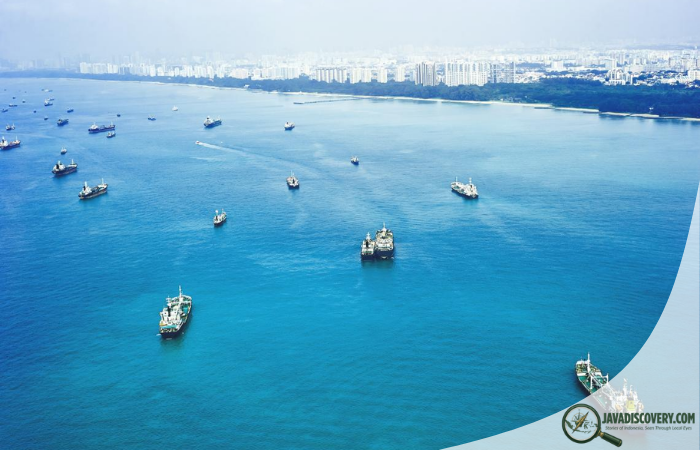
javadiscovery.com – Before dawn along Java’s northern coast, the sea appears calm, almost deceptively still. Small wooden boats rest at the shoreline, their hulls creaking softly as fishermen prepare for departure. Above them, the sky holds subtle clues invisible to an untrained eye. A shift in wind direction, a pattern in cloud movement, a faint change in the scent of the air. These signals are read carefully, silently, and with deep concentration. For generations of Javanese fishermen, navigation has never depended solely on tools. It is rooted in an intimate understanding of seasonal winds.
Across the island, coastal communities have developed a body of knowledge that blends observation, experience, and inherited wisdom. This knowledge guides when to sail, where to fish, and how to return safely. In a maritime environment shaped by monsoon systems, the wind is not just a natural force. It is a guide, a warning, and sometimes a test of survival.
The Monsoon System of Java
Java’s coastal waters are influenced by the larger monsoon system that affects much of Southeast Asia. Two primary wind patterns dominate the region.

The west monsoon typically arrives between November and March, bringing moist air from the ocean. These winds often carry heavy rain, rough seas, and unpredictable weather conditions.
The east monsoon, occurring between May and September, brings drier air and generally calmer seas, particularly along the northern coast of Java.
Between these two seasons lie transitional periods when wind patterns shift, sometimes rapidly. These moments can be especially challenging for fishermen, as conditions may change within hours.
Understanding the rhythm of these winds forms the foundation of traditional navigation knowledge.
Reading the Wind Without Instruments
Long before modern navigation tools became available, fishermen relied entirely on environmental cues to interpret wind behavior.
Even today, many continue to practice these observational methods.
Cloud Formations
The shape and movement of clouds provide early indications of wind direction and strength. High, thin clouds drifting steadily may signal stable conditions, while towering formations often suggest approaching storms.
Fishermen learn to recognize these patterns from a young age, often accompanying older relatives on short trips before gradually venturing farther offshore.
The Smell of the Air
Subtle changes in air scent can reveal shifts in weather. Moist, heavy air may indicate incoming rain, while dry, warm breezes suggest stable conditions.
This sensory awareness develops over years of exposure to the sea.
Wave Patterns
The movement of waves reflects wind conditions across larger distances. Even when winds appear calm near shore, wave direction can indicate stronger currents or gusts farther out at sea.
Experienced fishermen read these patterns as a form of distant communication, allowing them to anticipate changes before they arrive.
Navigation Without Landmarks
Once boats move beyond visible coastlines, navigation becomes more complex. In these open waters, fishermen rely on a combination of wind, stars, and memory.
Wind as Directional Guide
Consistent seasonal winds provide a natural compass. Fishermen learn to align their routes with these patterns, using wind direction to estimate position and orientation.
During certain seasons, specific fishing grounds become accessible because winds make travel easier and safer.
Stars and Night Navigation
Night fishing requires an additional layer of knowledge. The position of stars helps determine direction when visual landmarks disappear.
This celestial navigation complements wind awareness, creating a system that connects sea, sky, and human experience.
Risk and Decision Making
Fishing along Java’s coasts involves constant evaluation of risk. Decisions about when to sail are rarely taken lightly.
During the west monsoon, many fishermen reduce their time at sea. Larger waves and unpredictable winds increase danger, especially for smaller vessels.
Some communities temporarily shift their focus to repairing equipment or engaging in alternative work until conditions improve.
In contrast, the east monsoon offers more stable conditions, allowing longer trips and access to deeper fishing grounds.
This seasonal rhythm shapes not only economic activity but also the psychological relationship between fishermen and the sea.
Generational Transmission of Knowledge
Navigation knowledge is rarely written down. It is passed from one generation to the next through direct experience.
Young fishermen learn by observing elders, gradually building their understanding of wind patterns and environmental cues.
Stories play an important role in this process. Accounts of past voyages, successful catches, and near accidents provide lessons that reinforce practical knowledge.
Through these narratives, the sea becomes both a teacher and a subject of respect.
Technology and Traditional Knowledge
Modern navigation tools such as GPS devices and weather forecasts have become more accessible in many coastal areas.
While these technologies provide valuable information, traditional knowledge remains essential.
Electronic tools may fail or provide incomplete data, especially in remote areas. In such moments, the ability to read wind and sea conditions becomes critical.
Many fishermen combine both approaches, using technology as support while relying on instinct and experience as their primary guide.
The Cultural Meaning of Wind
In coastal communities, wind carries cultural significance beyond its practical role.
It is often seen as a force that connects human activity with natural cycles. The arrival of certain winds marks transitions in time, signaling changes in fishing patterns, community routines, and even social events.
Respect for wind reflects a broader worldview in which humans coexist with natural forces rather than attempting to control them.
A Knowledge System Written in Experience
The navigation practices of Javanese fishermen illustrate how knowledge can develop through sustained interaction with the environment.
This knowledge is precise, adaptable, and deeply rooted in place. It evolves as conditions change, yet remains anchored in centuries of observation.
In a world increasingly shaped by digital information, such experiential understanding offers a different perspective on how humans relate to nature.
The Sea as Teacher
As the sun rises higher over the Java Sea, boats move steadily away from shore. Their paths are guided not by visible signs alone, but by an invisible system of knowledge carried within each fisherman.
The wind shifts slightly, and with it, decisions are made. Directions are adjusted, nets are prepared, and the day unfolds according to patterns learned over a lifetime.
In these moments, the relationship between human and environment becomes clear. The sea is not simply a place of work. It is a teacher, offering lessons through wind, waves, and time.
For those who listen closely, the language of seasonal winds continues to guide lives across the waters of Java.