Creative Java and the Rise of Local Design Cultural Startups

javadiscovery.com – Morning light spills through narrow studio windows in Bandung, catching dust in the air and the edge of freshly cut fabric. On a wooden table, sketches overlap with coffee cups and old batik stamps. A young designer runs her fingers across cotton dyed with natural indigo, checking texture, weight, and patience. Around her, the quiet hum of laptops mixes with the scrape of scissors and distant traffic. This is not a factory floor nor a corporate office. It is one of many small creative spaces across Java where design is becoming a language of cultural survival and reinvention.
A New Creative Pulse Across Java
In cities and small towns across Java, a new generation of designers is reshaping how culture lives in daily life. They are graphic artists, fashion makers, furniture builders, typographers, illustrators, ceramicists, and storytellers. Their work is rooted in local memory but expressed through modern forms. These creative startups rarely begin with investors or grand strategies. They begin with conversations, inherited skills, and an unease with watching traditions fade into museum displays.
Java has always been a center of artistic production. From batik workshops in Pekalongan to woodcarving villages in Jepara, creativity here was once inseparable from community life. What has changed is the context. Global aesthetics travel faster. Digital platforms collapse distance. Young creators are no longer content to reproduce motifs without questioning their meaning. Instead, they ask how design can speak honestly about identity in a changing island.

Design as Cultural Translation
Many of these startups operate as translators. They move between worlds. A traditional pattern once reserved for ceremonies appears on contemporary clothing silhouettes. Ancient philosophical ideas become visual identities for cafés, publications, or community spaces. The challenge is not decoration but interpretation.
A furniture maker in Central Java explains this process simply. “Our grandparents carved for rituals and houses,” he says. “We carve for apartments and public spaces. The spirit stays. The function changes.” His workshop smells of teak dust and resin. Tools hang on walls darkened by years of use. Designs are drafted digitally, but final decisions are made by hand.
Reworking Heritage Without Freezing It
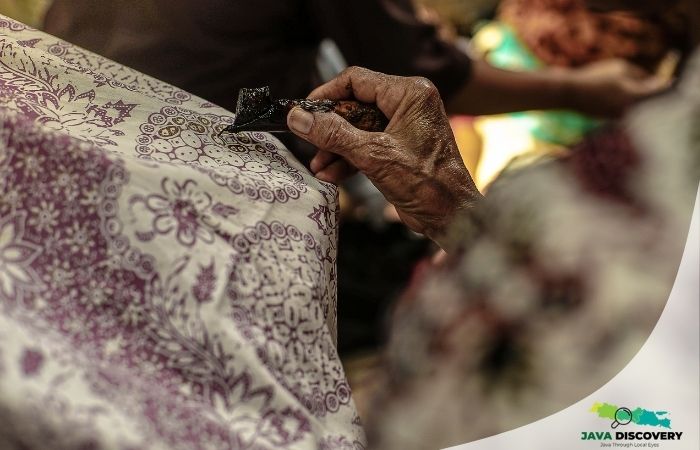
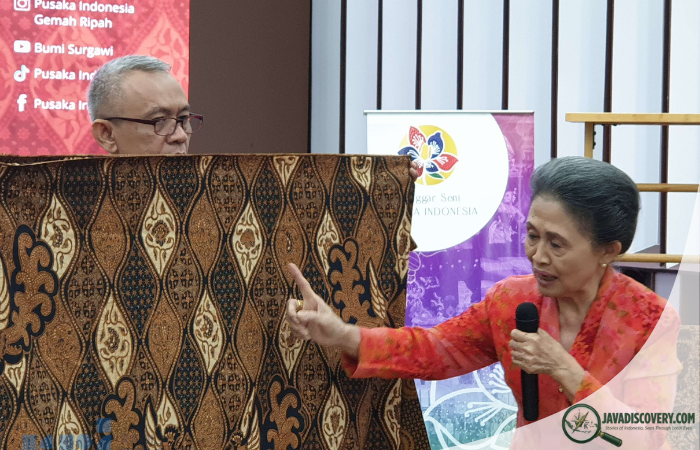
There is tension in this work. Some elders worry about misuse or simplification. Younger designers worry about irrelevance. The most thoughtful studios spend time listening before producing. They sit with batik artisans to understand symbolism. They visit archives. They ask permission. In doing so, they treat culture as living knowledge rather than raw material.
This approach resists nostalgia. Instead of reproducing the past, these creators engage with it critically. Mistakes are visible. Experiments fail. But the process keeps heritage active in everyday contexts.
Urban Studios and Informal Classrooms
Bandung, Yogyakarta, Solo, and parts of Jakarta have become hubs for creative exchange. Old houses turn into shared studios. Garages host weekend workshops. Conversations drift from technique to ethics, from pricing to cultural responsibility.
In Yogyakarta, a graphic collective works late into the night. Posters line the walls, mixing Javanese scripts with modern typography. A radio plays softly in the background. One member describes their space as a classroom without teachers. Knowledge moves horizontally. Seniors share experience. Newcomers bring fresh references.
These environments encourage collaboration rather than competition. Designers move between fashion, illustration, architecture, and research. Boundaries blur. Projects emerge organically.
Small Town Creativity Beyond the Cities
The creative movement is not limited to major urban centers. In smaller towns, startups often form around existing craft communities. In coastal areas, textile initiatives revive natural dyeing methods once abandoned for speed. In upland villages, bamboo and rattan design collectives explore sustainable forms shaped by local ecology.
A ceramic studio near the slopes of Mount Merapi uses volcanic ash in its glazes. Each firing produces unpredictable textures. The results reflect the surrounding landscape. “We do not try to control nature,” one potter says. “We collaborate with it.”
These rural-based startups often face logistical challenges, but they gain something cities cannot offer. Time. Space. A slower rhythm that allows deeper material exploration.
Digital Platforms and Global Visibility
While rooted locally, many of these creative ventures speak to global audiences. Digital platforms allow designers to share process, philosophy, and finished work without intermediaries. Short videos show dye baths swirling with color. Photos capture hands at work. Stories accompany products.
Global interest brings opportunities and risks. Demand can pressure production. Cultural symbols can be misunderstood. Responsible studios respond by limiting scale and prioritizing education. They explain context. They refuse speed when it compromises meaning.
Language and Representation
English often becomes a bridge language, but many creators insist on keeping Javanese terms visible. Product descriptions include untranslated words. Visual identities incorporate local scripts. This refusal to fully translate becomes an act of cultural confidence.
One brand founder explains, “If people want our work, they should also meet our language halfway.”
Economic Survival and Ethical Choices
Running a cultural design startup is rarely easy. Margins are thin. Materials cost more when sourced responsibly. Time spent on research is unpaid. Yet many founders choose this path deliberately.
They reject mass replication. They resist trends that strip meaning from form. Instead, they build slower businesses aligned with personal values. Some operate cooperatively, sharing profits and decisions. Others keep teams small to maintain trust.
In conversations, words like dignity, continuity, and responsibility appear often. These startups measure success not only in sales but in whether artisans are respected and traditions understood.
Women at the Center of Creative Change
Across Java, women play a central role in this creative rise. Many lead studios that reinterpret textile traditions long associated with female labor. They balance design work with family expectations and community obligations.
In a modest home studio, a designer prepares patterns while her mother boils dye nearby. The workspace is also a living room. Children move between activities. Creativity and domestic life coexist without clear separation.
These women-led startups often prioritize flexible structures and community wellbeing. Their leadership reshapes not only design outcomes but workplace culture.
Design as Quiet Resistance
At its core, this creative movement represents a form of quiet resistance. Against cultural erasure. Against disposable aesthetics. Against the idea that progress requires abandoning local identity.
By choosing to root their work in Javanese values such as balance, patience, and harmony, these designers challenge dominant narratives of speed and scale. Their studios become sites of reflection as much as production.
The Future Taking Shape Slowly
The rise of local design and cultural startups in Java is not a trend that moves fast. It unfolds patiently. It adapts. It listens. Each project adds a layer to an evolving conversation about what it means to create responsibly on this island.
In the quiet of a workshop at dusk, when tools are set down and light fades, the work continues invisibly. Ideas rest. Materials wait. Culture breathes.