Power and Restraint in Javanese Leadership Traditions

javadiscovery.com – At dawn in the kraton courtyards of Central Java, power does not announce itself with noise. It moves slowly, wrapped in batik and silence, measured in posture and breath. Leadership here has long been defined not by forceful speech or visible command, but by the capacity to hold strength inward. To understand authority in Java is to understand restraint.
The Philosophy Behind Javanese Authority
Across :contentReference[oaicite:0]{index=0}, leadership has traditionally been shaped by an inward philosophy. The ideal ruler embodies kawicaksanan, wisdom born of contemplation, and tepa selira, the discipline of empathy. Power, in this understanding, is not seized. It accumulates through self-control.
Old court manuscripts describe authority as a form of energy, known in mystical teachings as wahyu, a divine radiance that settles upon those who are spiritually prepared. This radiance cannot be demanded. It must descend. A leader who chases power openly risks appearing kasar, coarse and uncontrolled. One who waits, who refines the self, who remains halus, subtle and composed, signals readiness.

In this framework, restraint is not weakness. It is evidence of inner alignment.
The Courtly Model: Silence as Strength
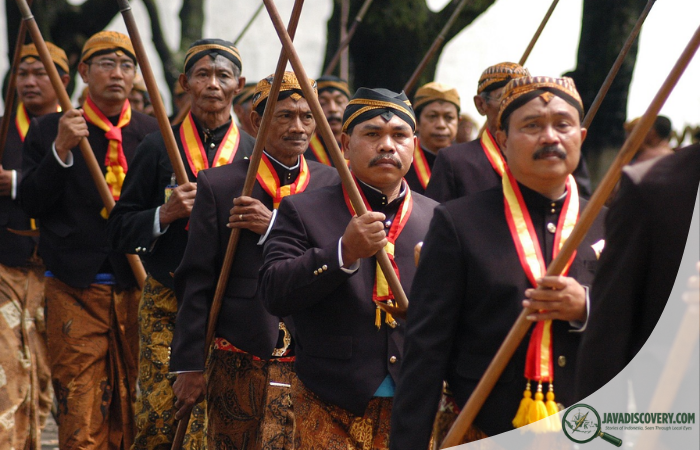
The royal courts of :contentReference[oaicite:1]{index=1} and :contentReference[oaicite:2]{index=2} preserve an older grammar of authority. Within palace walls, gestures speak louder than declarations. A slight lowering of the gaze, the careful modulation of voice, the refusal to show anger in public spaces, these are political acts.
The late :contentReference[oaicite:3]{index=3} embodied this model during Indonesia’s early independence era. He rarely indulged in theatrical speeches. His influence operated through calm mediation, quiet diplomacy, and a capacity to absorb tension without visible strain. Observers often noted how his stillness unsettled more aggressive negotiators.
Restraint created gravity. And gravity created loyalty.
The Ritual of Composure
In traditional ceremonies, rulers walk in slow, deliberate steps. Movements are measured to reflect cosmic balance. Even facial expressions are controlled. Anger belongs to the private sphere. Public composure reassures subjects that cosmic order remains intact.
This ritualization of calmness is not mere aesthetics. It is pedagogy. It trains both leader and community to associate stability with quiet authority.
Power as Containment, Not Projection
Modern political culture often rewards projection. Loudness suggests confidence. Visibility suggests dominance. Yet in Javanese political memory, projection can signal instability. The leader who speaks too quickly risks revealing inner imbalance.
The long presidency of :contentReference[oaicite:4]{index=4} reflected elements of this cultural template, though in more authoritarian form. He cultivated an image of paternal calm, rarely displaying emotion in public broadcasts. Decisions appeared to emerge from quiet deliberation rather than spontaneous impulse.
His style was not accidental. It resonated with a cultural expectation that real power does not need to shout.
Yet this same restraint can conceal rigidity. Silence can mask dissent. Composure can harden into distance. The cultural preference for containment sometimes complicates transparency in modern democratic life.
The Moral Weight of Self-Control
In village settings, leadership still rests upon emotional discipline. A village head who responds angrily to criticism risks losing respect. A religious teacher who displays impatience appears spiritually immature. Authority flows toward those who demonstrate mastery over themselves.
This emphasis on inward control draws from centuries of syncretic philosophy blending Islamic mysticism, Hindu-Buddhist cosmology, and indigenous spirituality. The leader stands as a microcosm of the universe. Disorder within the self mirrors disorder in the realm.
To lead is therefore to guard one’s interior weather.
Halus as Political Virtue
The concept of halus, refined sensitivity, extends into leadership evaluation. A halus leader listens before responding. He or she avoids humiliating opponents publicly. Conflict is redirected into subtle negotiation rather than open confrontation.
Kasar behavior, by contrast, involves visible anger, abrupt gestures, and excessive self-promotion. In many rural communities, such traits raise doubts about moral fitness, regardless of competence.
Modern Tensions: Democracy and Directness
Contemporary Indonesia operates within electoral politics, televised debates, and social media currents that reward visibility. Younger leaders often adopt more direct communication styles. Campaign rallies pulse with amplified slogans. Digital platforms favor rapid response.
This shift creates tension between inherited expectations of restraint and new demands for transparency and speed. Citizens may interpret quiet leadership as evasive. At the same time, overt assertiveness can appear culturally abrasive.
In urban centers such as :contentReference[oaicite:5]{index=5}, younger professionals increasingly value efficiency over ritual subtlety. Yet even there, workplace hierarchies still prize indirect communication. Criticism is often delivered through suggestion rather than blunt instruction.
The old grammar persists beneath modern surfaces.
Women and the Politics of Subtle Influence
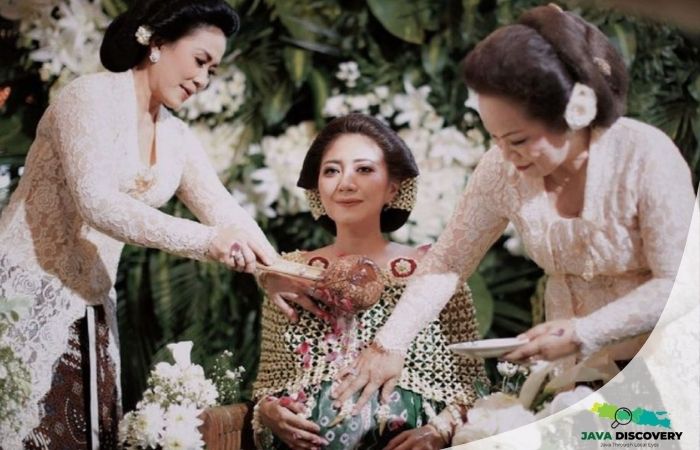
Though traditional narratives often focus on male rulers, women have long exercised influence through relational authority. Court queens, market leaders, and community organizers navigated power through networks rather than proclamations.
Restraint allowed maneuverability. By avoiding overt confrontation, women leaders could shape outcomes behind ceremonial curtains. Influence did not require title. It required trust.
This legacy continues today in grassroots movements where leadership operates horizontally. The quiet organizer often accomplishes more than the loud advocate.
Spiritual Discipline and Political Legitimacy
Many Javanese leaders historically undertook spiritual retreats known as tirakat. Fasting, meditation, and night vigils were believed to refine the soul, making it capable of holding authority without corruption.
The logic is clear. If power amplifies inner character, then inner character must first be strengthened. Without spiritual preparation, leadership risks magnifying ego rather than service.
Even today, some political figures visit sacred sites before assuming office. These gestures, though private, reflect enduring beliefs that authority must be spiritually anchored.
The Aesthetics of Restraint
Architecture mirrors political philosophy. Palace halls are spacious yet sparsely adorned. Open courtyards create visual calm. Sound travels slowly across stone floors. The environment itself disciplines behavior.
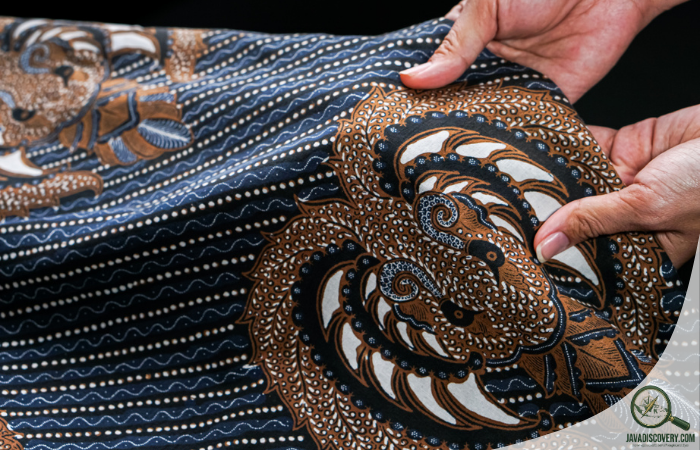
Traditional dress also encodes hierarchy through subtle variation rather than flamboyant display. A slight difference in batik motif or keris placement signals rank. Power reveals itself in detail, not extravagance.
In this aesthetic universe, excess appears insecure.
Critiques and Reinterpretations
Younger scholars sometimes question whether the cultural emphasis on restraint has discouraged assertive civic engagement. When harmony becomes the supreme value, necessary confrontation may be postponed.
Activists argue that transparency and accountability require clearer speech. They suggest that inherited models of leadership must adapt without abandoning their ethical core.
Some reinterpret restraint not as silence, but as disciplined communication. In this reframing, a leader can speak firmly while remaining emotionally composed. The essence lies not in quietness itself, but in control.
Enduring Patterns
Despite modernization, echoes of the old model remain visible. Public apologies are delivered with bowed heads. Disputes are mediated through consensus forums before escalating to formal courts. Even national figures are evaluated for perceived calmness during crisis.
When volcanic eruptions, floods, or economic shocks strike, citizens watch their leaders for signs of emotional steadiness. Panic spreads quickly. Composure stabilizes.
Restraint, in these moments, becomes collective reassurance.
Conclusion: Strength Held Inward
Power in Java has never been purely about command. It has been about containment. The leader stands not as conqueror, but as axis, holding tensions in balance.
Modern Indonesia continues to negotiate between inherited subtlety and contemporary directness. Yet the underlying expectation endures. Authority must be anchored in self-mastery. Influence must flow from inner equilibrium.
In the end, the most respected leaders are not those who dominate a room, but those who quiet it. Their strength is felt rather than displayed. Their restraint becomes the measure of their power.