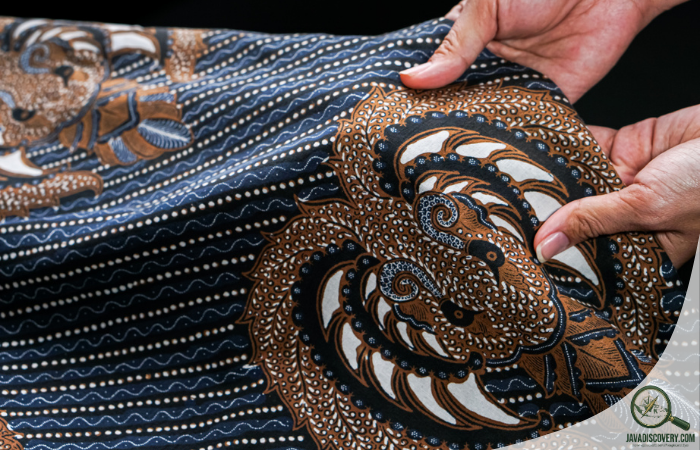
The Restful Earth: The Design of Rural Beds and Sleeping Culture

javadiscovery.com – In the cool, quiet heart of a village home in Central Java, the design of rural beds and sleeping culture begins with the aromatic rustle of a handwoven pandanus mat. To the Javanese, sleep is not merely a biological necessity, but a transition into the “ngimpi” or the dream world, a space where the soul is believed to wander and communicate with the divine. The design of rural beds and sleeping culture is centered around the “lincak,” a sturdy bamboo bench, or the “amben,” a wide wooden platform that sits low to the ground. Unlike the isolated, plush mattresses of the West, the Javanese bed is a communal stage, a firm and breathable surface that keeps the body aligned with the natural cooling currents of the tropical night. These sleeping arrangements are a physical manifestation of “tepo seliro” (mutual respect) and “manunggal” (unity), where the family gathers to rest in a shared proximity that reinforces the bonds of the household and the spiritual stability of the individual.
The Amben: The Great Platform of the Home
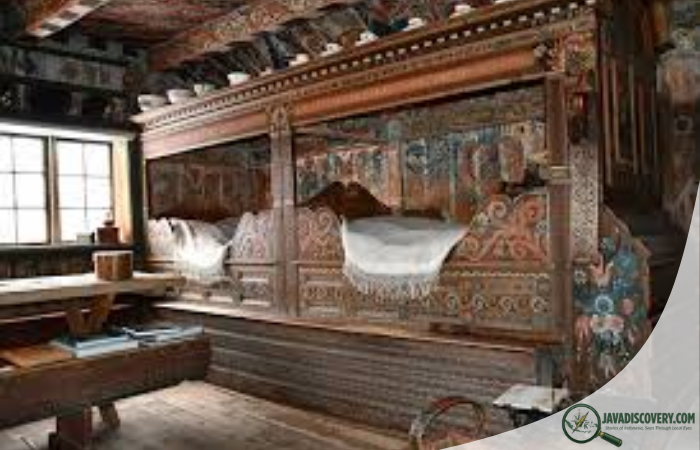
To understand the local reliance on the design of rural beds and sleeping culture, one must first look at the “amben.” This wide, rectangular platform is typically crafted from seasoned teak or bamboo. It is the architectural anchor of the “senthong” (inner room) or the “emper” (veranda). The amben is intentionally designed to be multi-functional; during the day, it serves as a place for “ngobrol” (chatting) and sorting crops, and at night, it is transformed into a sacred resting place. The firmness of the wood or bamboo is highly valued, as Javanese tradition holds that a soft bed weakens the “tulang punggung” (spine) and makes the spirit lazy. A firm bed, conversely, is believed to keep the “batin” or inner self alert even during sleep.
The height of the amben is a critical element of the design of rural beds and sleeping culture. It is usually built at knee-height, allowing the sleeper to remain close to the earth without being directly on the floor. This elevation facilitates “sirkulasi udara” (air circulation), preventing the dampness of the rainy season from affecting the body. In many traditional homes, the amben is not an individual piece of furniture but a built-in feature of the house’s wooden framework. This integration reflects the Javanese belief that the house and the body are parts of a single, continuous organism. The wood of the bed is often polished to a mirror-like finish through years of contact with human skin, turning the furniture into a living repository of the family’s presence.

Local voices in the rural districts of East Java often describe the amben as a place of “tentrem” (tranquility). An elderly village head explains that a family that sleeps together on a single wide amben is a family that “ora gampang pecah” (does not easily break). The design of rural beds and sleeping culture encourages this collective rest. Children often sleep alongside their parents or grandparents, drifting off to the sound of “dongeng” (folklore) and the steady rhythm of their elders’ breathing. This proximity creates a sense of safety and “ayem” (peace) that is foundational to Javanese psychological development, ensuring that no one ever feels isolated in the darkness of the night.
The Lincak: Bamboo and the Breathable Night
While the amben is the heavy wooden anchor, the “lincak” is its lighter, more versatile cousin. Made entirely from bamboo, the lincak is a masterpiece of sustainable engineering. The story of the design of rural beds and sleeping culture in the form of the lincak is one of “semilir” (the gentle breeze). Because bamboo is hollow and the slats of the lincak are spaced slightly apart, the bed remains remarkably cool. In the stifling humidity of the Javanese plains, this breathability is a lifesaver. The lincak does not trap body heat; it dissipates it, allowing the sleeper to achieve a deep, restorative “turu” (sleep) without the need for modern cooling systems.
The construction of a lincak involves no nails, only “pantek” (wooden pegs) and “tali bambu” (bamboo strips). This flexibility allows the bed to “give” slightly under the weight of the sleeper, providing a natural, spring-like comfort. The design of rural beds and sleeping culture using bamboo is also a matter of spiritual hygiene. Bamboo is seen as a “pure” material, and the sound of the wind through the bamboo groves is often equated with the whispers of the ancestors. Sleeping on a lincak is thus a way of staying connected to the natural rhythms of the island. It is a humble bed, but one that is rich in “roso” (feeling) and connection to the landscape.
In many rural homes, the lincak is placed on the veranda or in the “pendopo.” During the dry season, people will often take their naps here, enjoying the “angin sepoi-sepoi” (light breeze). The design of rural beds and sleeping culture in these public or semi-public spaces reflects the Javanese lack of strict boundaries between the private and the communal. To be seen sleeping in a peaceful state is a sign of a “resik” (clean) conscience. It shows that the person has no “beban” (burden) and is at peace with their neighbors. The lincak is the stage for this public display of inner harmony.
The Tikar: The Portable Temple of Sleep
No discussion of the design of rural beds and sleeping culture is complete without the “tikar” or “kloso.” This is the handwoven mat, usually made from the leaves of the pandanus or mendong grass, that is spread over the amben or the floor. The tikar is the essential skin of the Javanese bed. It provides a cool, fragrant, and smooth surface for the body. The “anyaman” (weave) of the tikar is a spiritual art form in itself, with different patterns representing different levels of social status or ritual significance. However, in the rural setting, the tikar is the ultimate equalizer.
The scent of a new pandanus tikar is one of the most nostalgic smells in Java—an earthy, herbal fragrance that is said to calm the “napsu” (passions). The design of rural beds and sleeping culture relies on the tikar to provide a layer of “suci” (purity) between the sleeper and the wood or stone. Before sleep, a Javanese person will often “ngipat-ngipati” or flick the mat with a “semet” (a bundle of palm leaf ribs) to clear away dust and lingering spirits. This ritual preparation of the tikar is a meditative act, a way of “cleaning the heart” before entering the vulnerable state of slumber.
The tikar is also a symbol of mobility and “nrimo” (acceptance). It can be rolled up and carried anywhere, turning any flat surface into a bed. This reflects the Javanese ability to find rest in any circumstance. Whether in a village hut or a sacred cave during a “tirakat” (ascetic vigil), the tikar provides the necessary grounding. The design of rural beds and sleeping culture is thus not limited by furniture; it is a portable philosophy of comfort that can be established wherever the spirit finds itself. The mat is the only temple the body needs for the night.
Bantal Guling: The Guardian of the Side
A unique and indispensable feature of the design of rural beds and sleeping culture in Java is the “guling” or bolster. Known elsewhere as a “Dutch wife,” the guling is a long, cylindrical pillow that is hugged during sleep. For the Javanese, the guling is more than a comfort item; it is a “kanca turu” or a sleeping companion. It provides a physical counterweight that helps the body maintain a side-sleeping position, which is believed to be the healthiest for the “aliran getih” (blood flow) and for preventing “nglindur” (sleepwalking or talking in one’s sleep).
The guling is often stuffed with “kapuk” (cotton from the Ceiba tree), a natural fiber that is both firm and cool. Unlike synthetic fillings, kapuk does not retain heat, making it perfect for the tropical climate. The design of rural beds and sleeping culture emphasizes the use of the guling as a way to “mendheng” (embrace) the peace of the night. In rural lore, a person who sleeps without a guling is said to be lonely or unprotected. The bolster acts as a physical barrier and a psychological comfort, a soft guardian that stays with the sleeper until the “jago kluruk” (the rooster crows) in the morning.
The maintenance of the kapuk pillows is a seasonal ritual. During the dry season, the pillows and bolsters are “dipepe” or sun-dried on the amben or a bamboo rack. This kills any mites and “fluffs” the kapuk back to its original volume. This interaction with the sun is a vital part of the design of rural beds and sleeping culture, ensuring that the bed remains a “sehat” (healthy) and “wangi” (fragrant) environment. The sun’s energy is believed to “recharge” the kapuk, bringing the vitality of the day into the stillness of the night.
Sleeping Posture and the Direction of the Soul
The design of rural beds and sleeping culture is deeply influenced by “primbon” (Javanese astrological and behavioral guides). The direction in which one sleeps is never accidental. It is generally forbidden to sleep with the feet pointing toward the “kiblat” (the direction of prayer) or toward the door, as this is the position of a “mayit” (corpse) being carried out. Instead, the preferred direction is often north-south, aligning the body’s “magnetism” with the earth’s poles. This alignment is believed to facilitate a smoother transition into the dream state and to prevent “ketindhihan” (sleep paralysis), which is often attributed to a spirit sitting on the chest.
The posture of sleep is also a reflection of one’s “unggah-ungguh” (etiquette). Even in sleep, a Javanese person is expected to maintain a sense of “modesty.” One does not sleep “mlekar-mlekor” (sprawled out haphazardly). Instead, the ideal is to sleep on the side, slightly curled, in a position of “sumarah” (total surrender to God). This physical restraint is seen as a mark of a “wong Jowo” (Javanese person) who is disciplined even in unconsciousness. The design of rural beds and sleeping culture provides the firm, limited space of the amben to encourage this controlled and dignified rest.
This disciplined sleep is also a form of “laku” (spiritual discipline). By controlling the hours of sleep and the posture of the body, the individual is training their “sukma” (soul). In rural Java, “melek” (staying awake) for spiritual purposes is often valued more than sleep. However, when sleep must be taken, it is done with the intention of “nyenyuwun” (petitioning the divine). The bed is the altar where the physical body is offered up to the night so that the soul can receive guidance and “ilham” (inspiration) from the spiritual realm.
The Resilience of the Amben in a Modern World
As modern “spring beds” and foam mattresses become more common in Javanese towns, the traditional design of rural beds and sleeping culture persists in the “ndesa” (countryside) and even in the hearts of urbanites. Many people find that modern beds are too “panas” (hot) and “empuk” (soft), leading to back pain and a feeling of “ngambang” (floating). This has led to a recent revival of “dipan jati” (teak bed frames) and high-quality “kapuk” bedding in contemporary Javanese interior design. The wisdom of the amben is being rediscovered as a solution to the stresses of modern life.
This resilience is due to the fact that the design of rural beds and sleeping culture is not just about furniture; it is about a way of being in the world. It is about the value of simplicity, communal proximity, and spiritual groundedness. As long as the Javanese people value the “adem” (coolness) of a pandanus mat and the “ayem” (peace) of a shared room, the amben will remain the center of the household’s rest. It is a design that has been perfected over centuries, a testament to a civilization that understands that the quality of our waking life depends entirely on the quality of our surrender to the earth at night.
As the village grows quiet and the “lampu diyan” are extinguished, the family settles onto the wide wooden platform. The scent of the dry wood and the woven grass fills the air. Outside, the night insects begin their chorus, but inside, there is only the “sepi” (silence) of a well-rested home. The design of rural beds and sleeping culture has done its work, providing a sanctuary where the body and the soul can once again become “manunggal” (one) with the great, dark mystery of the universe. In the heart of Java, the earth is a bed, and the night is a blessing.